The state paid the Roshchina family UAH 302,800 — a sign of support and a challenge for the investigation
Amount — UAH 302,800. It is not a replacement for the loss, but a signal: the state is formalizing a mechanism to assist media workers and is laying the groundwork for further steps on accountability.

By Tetiana Suchkova-Ladik
December 29, 2025 · 2 min read
Brief
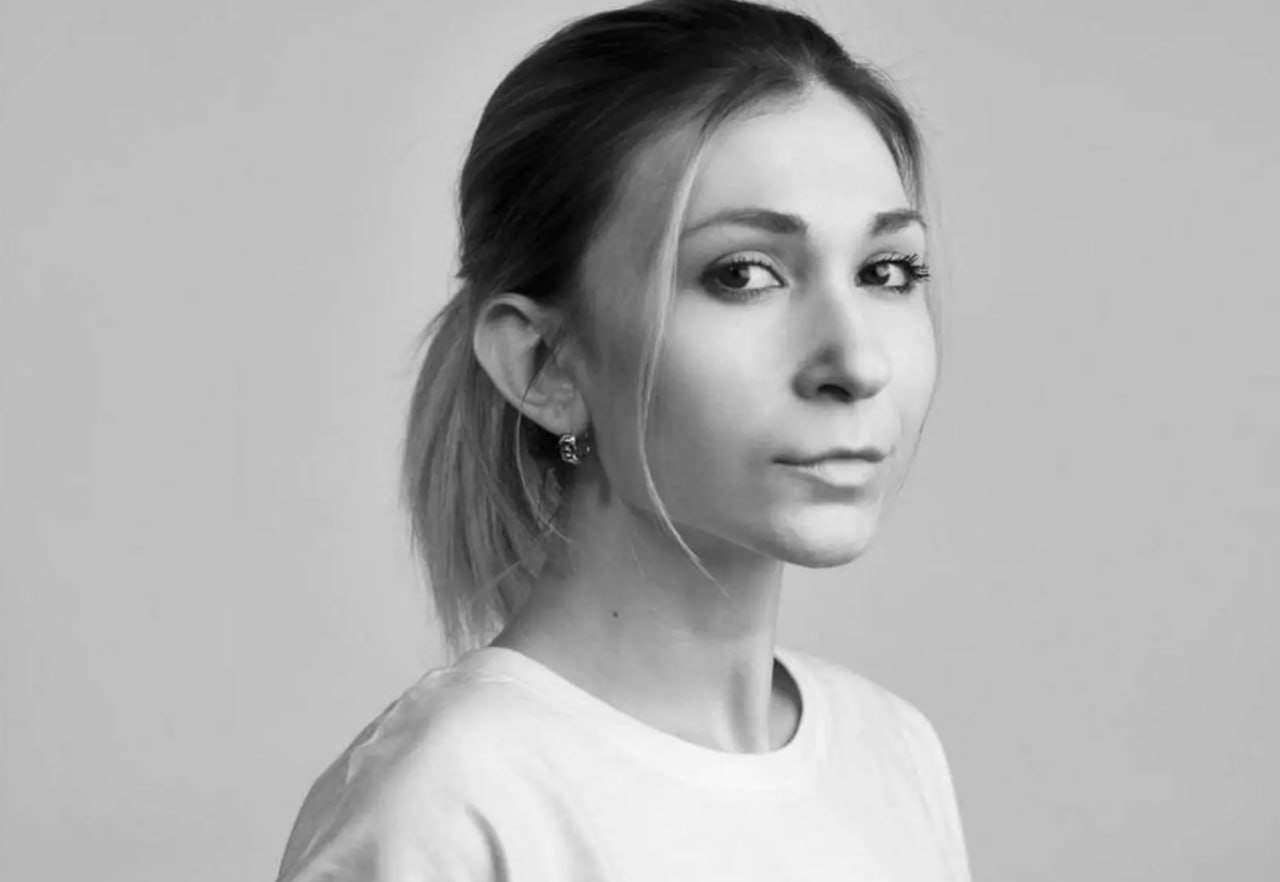
The family of the journalist Viktoriya Roshchyna, who died in Russian custody, received a state payment of 302,800 UAH. The information was confirmed by the head of the parliamentary Committee on Freedom of Speech, MP Yaroslav Yurchyshyn, who referred to data from the State Committee for Television and Radio Broadcasting.
"No payment will bring Vika back to her family. But this is the minimum the state must do to show respect for its fallen journalists."
— Yaroslav Yurchyshyn, head of the Verkhovna Rada Committee on Freedom of Speech
Why it matters
This payment is more than a one-time compensation: first, it formalizes the state's approach to assisting affected media workers; second, it serves as a material signal of support to the victim's family; third, it creates a precedent that can be scaled in the future. The Cabinet has already allocated funds for 2026, and according to LIGA.net, payments are tied to the subsistence minimum, meaning the amount could increase.
Case timeline (key points)
- August 2023 — Viktoriya Roshchyna disappeared in occupied territory; the SBU and later the Russian side confirmed her detention.
- October 2024 — The Coordination Headquarters reported the death of the 27-year-old journalist in Russia; an investigation was launched.
- April 2025 — Roshchyna's body was returned to Ukraine; the Office of the Prosecutor General recorded numerous signs of torture.
- November 2025 — The EU Council imposed sanctions on Russian officials, including those implicated in the torture.
- 26 December 2025 — Charges were announced against the head of the Russian pre-trial detention center (SIZO), who the investigation alleges tortured Roshchyna and Matveyev.
What next
The payment is an important step, but it does not replace systematic work: evidence, international coordination, and justice are needed to turn sanctions and charges into real convictions. The Office of the Prosecutor General and law enforcement agencies must ensure a full investigative cycle; international partners must provide support and pressure for extradition or prosecution in absentia of those responsible.
Experts and human rights defenders emphasize: material compensation is important for affected families, but final justice will come only through holding perpetrators accountable and establishing systemic safety guarantees for journalists during the war.
Conclusion
This payment is both a humanitarian and political gesture: the state recognizes its responsibility to fallen journalists and their families, and signals that these issues will not be closed in silence. Whether sanctions and charges will become convictions depends on relentless investigative work and pressure from partners. This task is not only for law enforcement, but for the entire system of international truth and justice.
Sources: statement by Yaroslav Yurchyshyn; press service of the Cabinet (quoted by LIGA.net); statement from the Office of the Prosecutor General; Council of the EU decision.



