U.S. State Department urges citizens to leave Russia immediately — a signal of growing risks and limited assistance
The updated State Department advisory is not just advice for tourists. It signals heightened risks, increased surveillance, and limited consular support. We break down why the advisory was issued now and what it means for people and the diaspora.

By Tetiana Suchkova-Ladik
January 2, 2026 · 2 min read
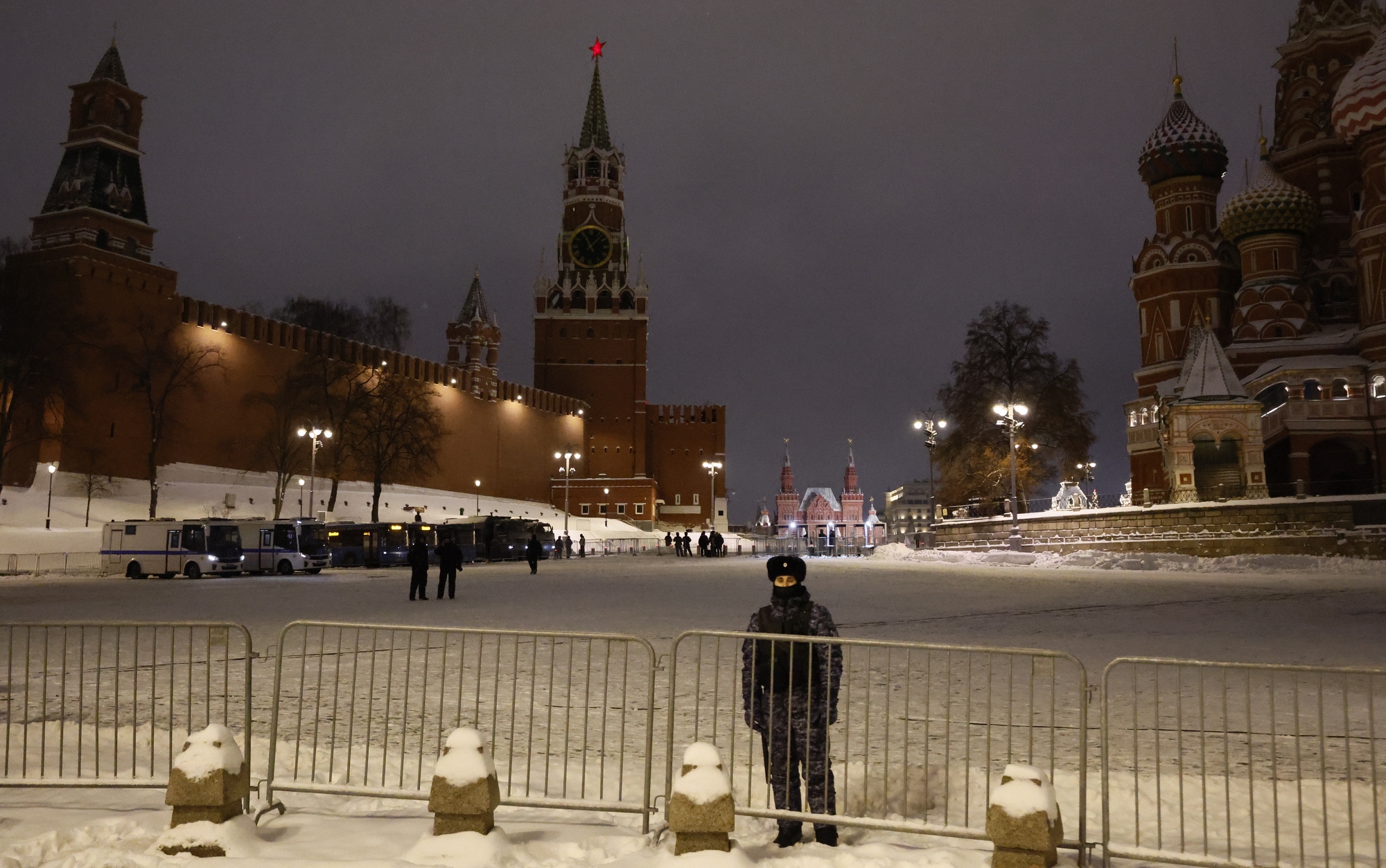
The State Department updated its warning
The U.S. State Department this week renewed its advisory for its citizens, recommending they immediately leave Russia and refrain from traveling there. The update was reported by Fox News; in its own statement the State Department highlights numerous risks — from terrorism to arbitrary detention and "unwarranted" interrogations.
"U.S. citizens in Russia should leave the country immediately. Russian officials frequently question and threaten U.S. citizens for no reason"
— U.S. State Department
Why this is happening now
The reasons are both operational and structural. First, U.S. consular capabilities are reduced: the embassy in Moscow has cut staff, consulates have suspended operations, so on-site assistance is limited. Second, sanctions have complicated financial operations: U.S. debit and credit cards work only intermittently, and international transfers are often impossible. Third, the advisory mentions a high level of surveillance of electronic communications — therefore it recommends avoiding use of devices and logging out of social media accounts.
Taken together, this means that staying in Russia today involves not only the risk of detention but also the practical loss of consular and financial support channels.
Security context: provocations and the information environment
Ukrainian intelligence also signals concern: recent warnings indicate that Moscow may be planning provocations during the Christmas holidays to blame Ukraine or to derail negotiation formats. Such tactics make the presence of foreigners in Russia an additional instrument of risk — both for the individuals themselves and as a lever of diplomatic pressure.
"Russia is preparing a provocation involving casualties during the celebration of Christmas according to the Julian calendar, to blame Ukraine and disrupt peace negotiations"
— Foreign Intelligence Service of Ukraine
What this means in practice
For citizens: prepare for possible problems when departing, practice careful digital hygiene, and understand that consular assistance will be reduced. The advisory also stresses the risk of detention for an indefinite period.
For Ukraine and the diaspora: this is further evidence of Russia's isolation and mounting authoritarian pressure. Such a regime can use foreigners as leverage or as targets of information provocations — which raises the overall level of risk for citizens and volunteers operating in or near Russian jurisdiction.
Conclusion
The updated State Department advisory has two dimensions — practical and symbolic. Practically: people in Russia should understand that consular and financial support is limited and that risks are real. Symbolically: it is another indicator of how the Russian regime is intensifying internal repression and using external situations for political manipulation. Whether similar steps will follow from other countries and how this will affect security are questions governments and experts will be monitoring.



