Donbas in focus: trilateral meeting in Abu Dhabi and the question of security guarantees
The president says the territorial question of the Donetsk region is a key issue in talks in Abu Dhabi. The agreement on security guarantees is ready to be signed — only the time, place and ratification in the U.S. remain.

By Oleg Bazylewicz
January 23, 2026 · 2 min read
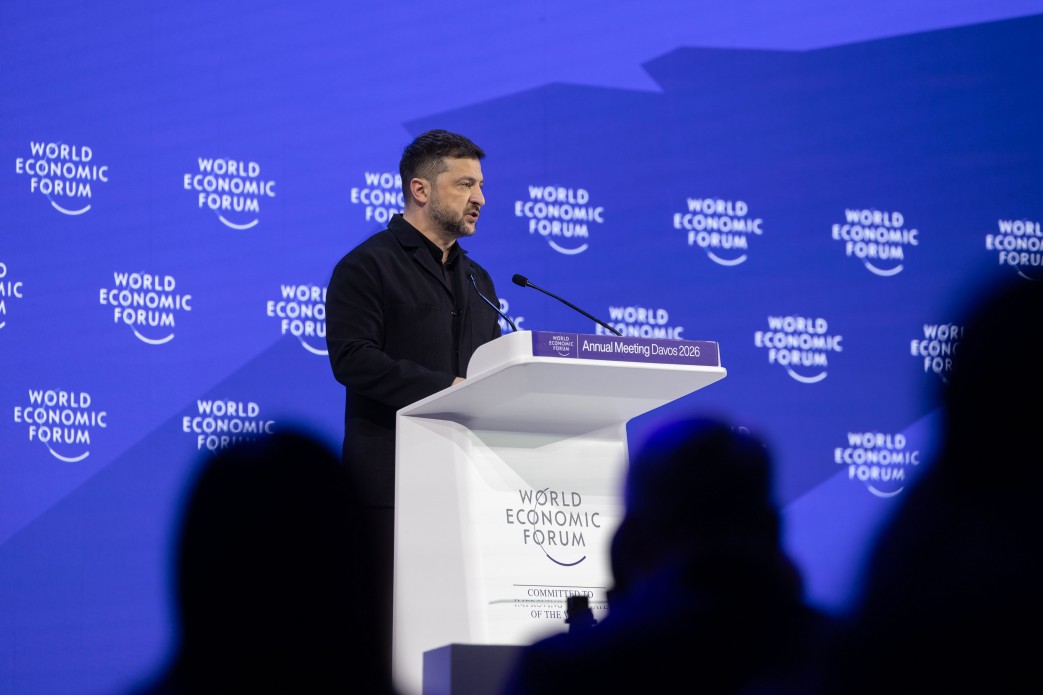
In high diplomacy, quiet agreements matter more than loud statements
According to President Volodymyr Zelenskyy, the main item at the two‑day technical talks in Abu Dhabi will be the territorial issue concerning Donetsk Oblast. This is not just another round of consultations — it concerns a subject that will determine the future trajectory of security and political settlement.
"The Donbas issue is key. It will be discussed, as the three sides see it, in Abu Dhabi, today and tomorrow"
— Volodymyr Zelenskyy, President of Ukraine
The head of the negotiation team, NSDC Secretary Rustem Umerov, according to the president, reports and coordinates the team's work at every stage — a signal of Kyiv's systematic and consistent approach to the negotiations.
Security guarantees: the document is ready, but there are caveats
Zelenskyy said that the agreement on security guarantees is already ready "to be signed" and that Ukraine is expecting information from the United States about the place and date of the ceremony. However, a key nuance — the document must be ratified by the U.S. Congress, so signing will not automatically mean immediate implementation.
According to the president, air defense issues were also discussed during the recent meeting with the American leader; Zelenskyy expressed hope for a "positive result," but stressed that he can speak about it officially only when the result is in Ukraine. This underscores the gap between diplomatic arrangements and the procedural side of their approval by partners.
The U.S. position and the technical format of the talks
"The peace plan was reduced to one question, but which one exactly — he did not specify. I will come to Ukraine soon"
— U.S. Special Representative Witkoff
Officially the talks are taking place at a "technical level" — this means that for now the parties are aligning positions, wording options and mechanisms. The technical level does not exclude political decisions, but they will require separate political steps and, likely, additional time.
What this means for Ukraine
If the Donbas truly becomes the central subject of the trilateral talks, the format of further concessions and the timeline for stabilizing security will depend on it. Key factors to monitor: whether the parties agree on clear formulations about borders and control, what the guarantees mechanism will look like, and what the partners' ratification schedules are.
Analysts note that a ready document is a positive signal, but implementation will depend on political will in Washington and on Kyiv's ability to translate agreements into concrete security mechanisms.
Now it is up to the partners: whether preliminary agreements will turn into signatures and real guarantees is the question whose answer will determine Ukraine's security planning in the coming months.



