20,000 UAH bonuses for restoration crews: how this will speed up the return of electricity, heating and water
From January through March, each worker in emergency-restoration crews will receive 20,000 hryvnias — a move intended to reduce downtime of utility services and speed up repairs after shelling.

By Tetiana Suchkova-Ladik
January 23, 2026 · 2 min read
What was adopted and when it will take effect
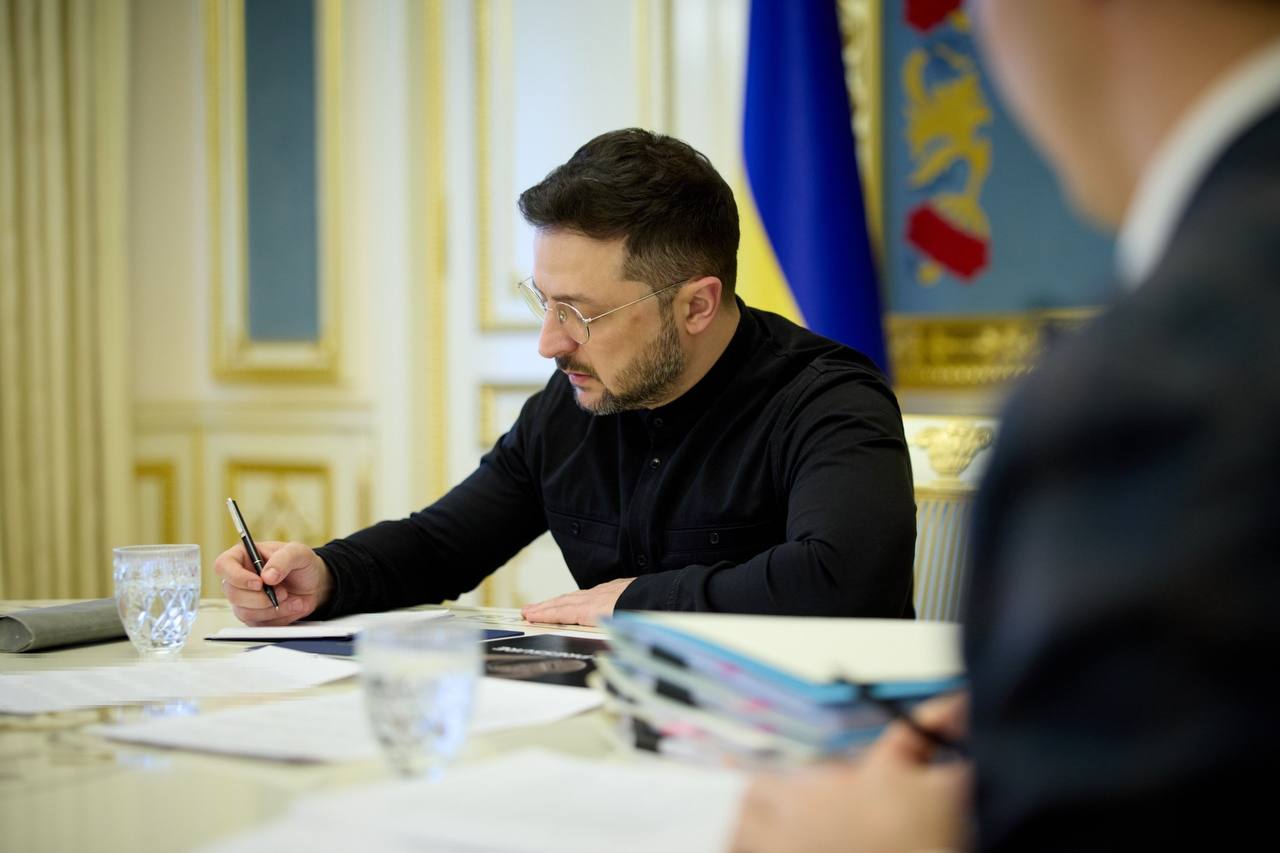
President Volodymyr Zelensky announced a monthly supplement of UAH 20,000 for workers involved in emergency restoration work after Russian shelling. Supplements are provided for January, February and March — UAH 20,000 for each month; the first payments for January will arrive in February.
Who it concerns
According to the government, the support covers workers at enterprises of all forms of ownership, including the fuel and energy sector, housing and utilities and employees of Ukrzaliznytsia — from foremen to rank‑and‑file specialists who directly carry out restoration work.
"Every worker who is involved in emergency restoration work will receive a supplement of UAH 20,000. For January, February and March of this year. For each month — UAH 20,000,"
— Volodymyr Zelensky, President of Ukraine
How the mechanism will work
Prime Minister Yuliia Svyrydenko and the First Deputy Prime Minister — Minister of Energy Denys Shmyhal agreed on a simple digital procedure: a single register of enterprises will be created, they will submit online applications with lists of employees, each person will be notified via Diia or SMS, and funds will be transferred to existing bank accounts in the month following the completed work.
"The government approved a resolution to launch an experimental project to support emergency repair crews who restore electricity, heat and water to Ukrainian homes and enterprises,"
— Denys Shmyhal, Minister of Energy
Why this matters to you
This decision has two practical goals: first, to retain and motivate skilled crews to work in extreme conditions; and second, to reduce the time to restore critical services, which directly affects the safety and daily life of citizens. The faster power and heat are restored — the lower the risk of social problems and costs for the state and businesses.
Context of risks and the need for rapid solutions
On January 22 the Ministry of Internal Affairs urged people to keep basic supplies for 3–5 days due to risks to the energy system. Shmyhal himself called January 22 one of the hardest days for the energy system since the 2022 blackout — an indicator that the policy of supporting crews has an operational rationale, not just a social effect.
What’s next
The decision has already been made; the key question is the speed and transparency of implementation. If the system and digital procedures operate without glitches, the supplements could become a clear tool for mitigating the effects of shelling and a leap in the ability to promptly restore infrastructure. If not — the benefit will be limited by bureaucracy and delays.
Analysts and industry representatives emphasize: this is an experiment that needs to be rapidly scaled and monitored for results — time to restore services and preserved human resources will be the best measures of effectiveness.
Brief conclusion
This is a simple but targeted step — an investment in the human resources that directly bring normal life back to communities after attacks. Now it is important that the mechanism works quickly, transparently and with a focus on results: fewer days without power and heat — fewer risks for people and the economy.



