Permission for searches in Huta Pieniacka: how cooperation with Poland restores the memory of the victims
Ukraine has agreed to a joint expedition within Lviv region — to search for, locate and possibly exhume remains. This is part of agreements that carry both humanitarian and diplomatic significance.

By Tetiana Suchkova-Ladik
February 18, 2026 · 2 min read
Briefly
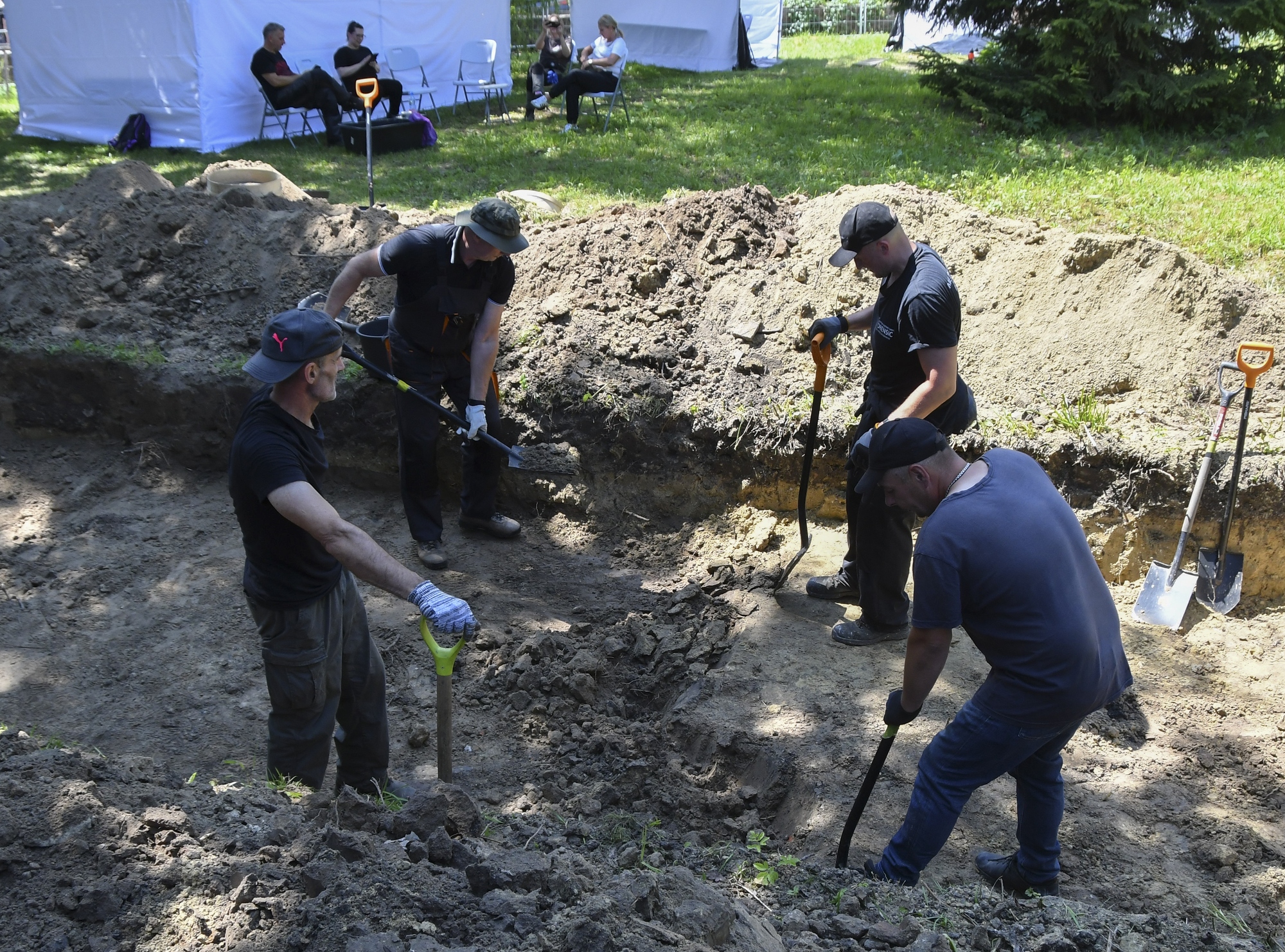
The Ministry of Culture of Ukraine has granted permission to carry out search operations by a Polish‑Ukrainian expedition in the area of the former village of Huta Peniatska (now within the borders of the villages of Zharkiv and Holubytsia in Zolochiv district, Lviv region). A request from the Polish side was received on February 16; the work is aimed at locating burial sites of victims of the Second World War and, if necessary, their exhumation and reburial.
"The Ministry of Culture has issued another permit to Poland to search for the remains of people who died during the Second World War."
— Press service of the Ministry of Culture of Ukraine
Where and what they will do
The expedition will operate on the territory of the former Huta Peniatska: specialists will localize possible burials, conduct search operations, and, if remains are found — carry out exhumations followed by reburial in accordance with international practices and Ukrainian legislation.
Why it matters
This is not only a question of historical memory. Identification and dignified burial help ease interstate tensions, provide answers to families and create preconditions for trust between the expert communities of Ukraine and Poland. For the reader, this means that even in difficult times states continue to address humanitarian issues that have long‑term consequences for society.
Context
The approach is not unique: on January 11, 2025 the parties exchanged lists of locations for searches and exhumations of "victims of mutual historical conflicts." In 2025 work already took place in Ternopil region (exhumations of Polish victims of the Volhynia tragedy) as well as search‑exhumation work in Lviv for the reburial of remains of soldiers of the Polish Army. Further work is planned for 2026: including in the village of Uhly in Rivne region and continued investigations on the territory of Poland.
Consequences and questions
Joint expeditions combine historical investigation, forensic practice and diplomacy. They strengthen expert ties and establish procedures that reduce the risks of politicizing sensitive topics. At the same time, the question remains: can the results of such work become the basis for greater transparency and mutual recognition of historical facts between Kyiv and Warsaw?
What’s next: from statements — to field reports and documented identifications. It is now important to monitor the methodology of the work and the expedition’s public results so that the humanitarian aspect of the cooperation is not lost in political debates.



