Drone cheaper than $1000 — and it kills more than Russia can recruit
For four consecutive months, Ukrainian drones have been eliminating more Russians than Putin's army can recruit. The mathematics of attrition is changing the logic of war.

By Tetiana Suchkova-Ladik
April 9, 2026 · 2 min read
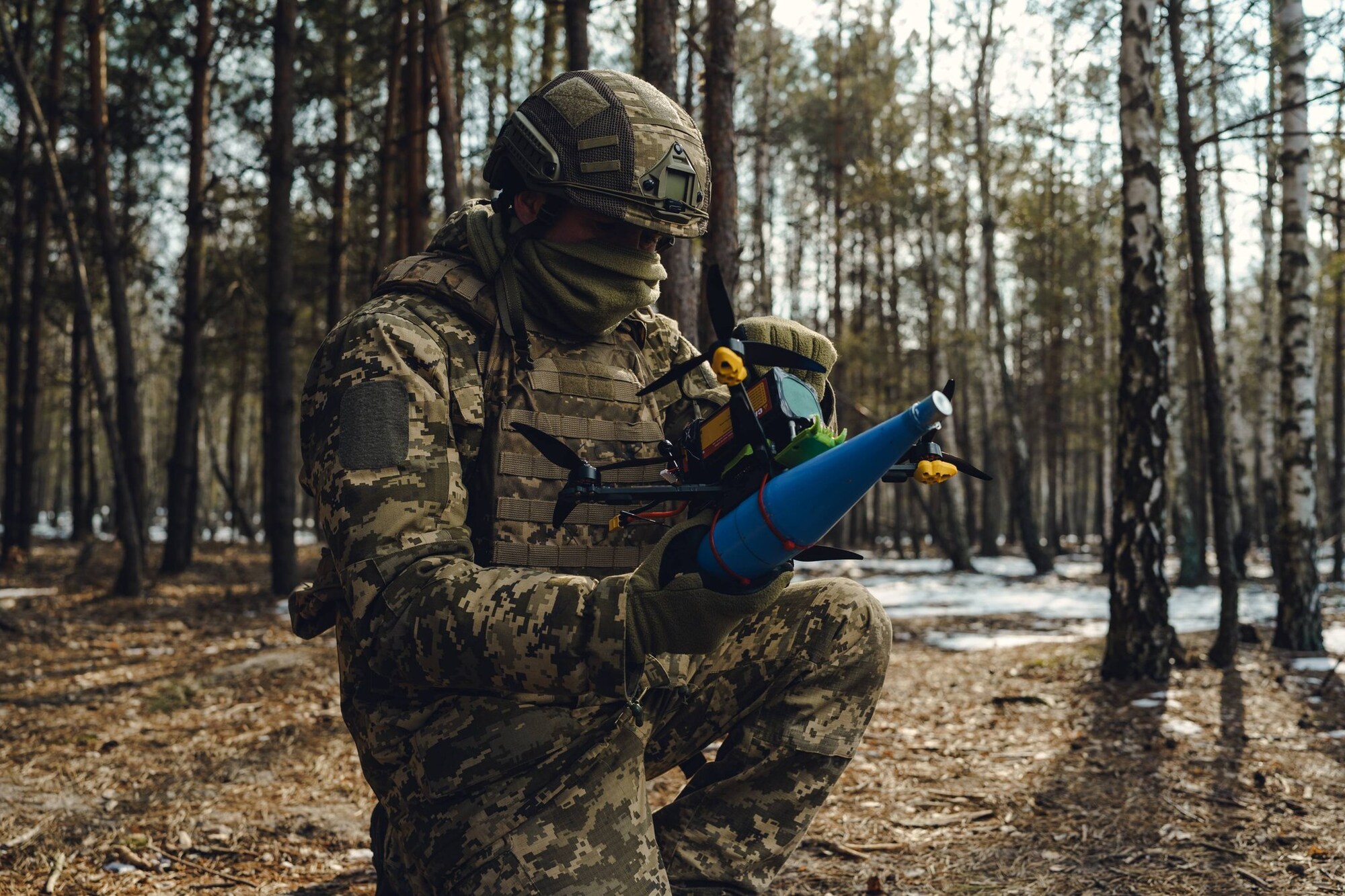
Commander-in-Chief of the Armed Forces of Ukraine Oleksandr Syrskyi on April 5 announced a figure that is difficult to comprehend at first: in March, the Unmanned Systems Forces neutralized over 77,000 enemy targets — 10% more than in February. But that is not the main point.
The main point is the duration of the trend. Starting from December 2024, for four consecutive months, Ukrainian drone operators have been destroying more enemy personnel than Russia manages to recruit. Syrskyi called the unmanned systems units ones that have "practically equaled artillery" in terms of strike effectiveness.
The cost of eliminating one occupant
A figure cited by the commander of the 3rd Separate Motorized Brigade Madyar in March: neutralizing one Russian soldier using a drone costs less than $1,000. For comparison — Russia spends on recruiting, training, and equipping one contract soldier at least several thousand dollars, not counting payments to the families of the fallen.
This is not just arithmetic. This is structural asymmetry: cheap mass-produced weapons systematically "consume" the enemy's expensive human resources.
"For four consecutive months now, starting from December, our unmanned systems units have been neutralizing more enemy personnel than the enemy is recruiting into its ranks".
Oleksandr Syrskyi, Commander-in-Chief of the Armed Forces of Ukraine
Russia responds — with drones too
Moscow is responding in kind. According to the FDD analytical center, at the beginning of 2026, the Russian army launched a large-scale recruitment campaign specifically for drone units — forming new regiments of unmanned systems operators and training them through the elite "Rubicon" center. In other words, Russia acknowledges: the future of the battlefield belongs to unmanned systems, and human resources are now needed there.
Independent "Mediazona," using verified data — obituaries and funeral announcements — calculated that confirmed Russian losses in 2025 increased by 40% compared to 2024 and exceeded 156,000 according to confirmed data alone. The actual figures, according to the Armed Forces of Ukraine estimates, are higher.
Why this is not "just statistics"
One of Ukraine's strategic goals is to eliminate 50,000 occupants per month. Defense Minister Mykhailo Fedorov publicly called this threshold "catastrophic" for Russia. The 77,000 neutralized targets in March are not equivalent to 77,000 killed: among the targets are equipment, fortifications, and positions. But the vector is clear.
- Russian total drone losses in March increased by almost 30% compared to February
- The number of combat sorties of interceptor drones increased by 55% per month
- Since the beginning of spring, interceptor UAVs have destroyed over 2,300 enemy air targets
If Ukraine maintains this pace of production and drone saturation of the front — which is a direct function of budget and industrial capacity — the attrition mathematics will continue to work. The question is whether Russia will manage to cover the personnel deficit with drone units before the demographic crisis becomes irreversible.



