Drone strikes oil pipeline in Primorsk — the heart of Russia's "shadow fleet" on the Baltic
The April 5 attack on a pipeline near Prymorsk is neither the first nor an isolated strike: the port handles about 60 million tonnes of oil a year and is the main hub of a "shadow" scheme to circumvent sanctions.

By Tetiana Suchkova-Ladik
April 5, 2026 · 2 min read
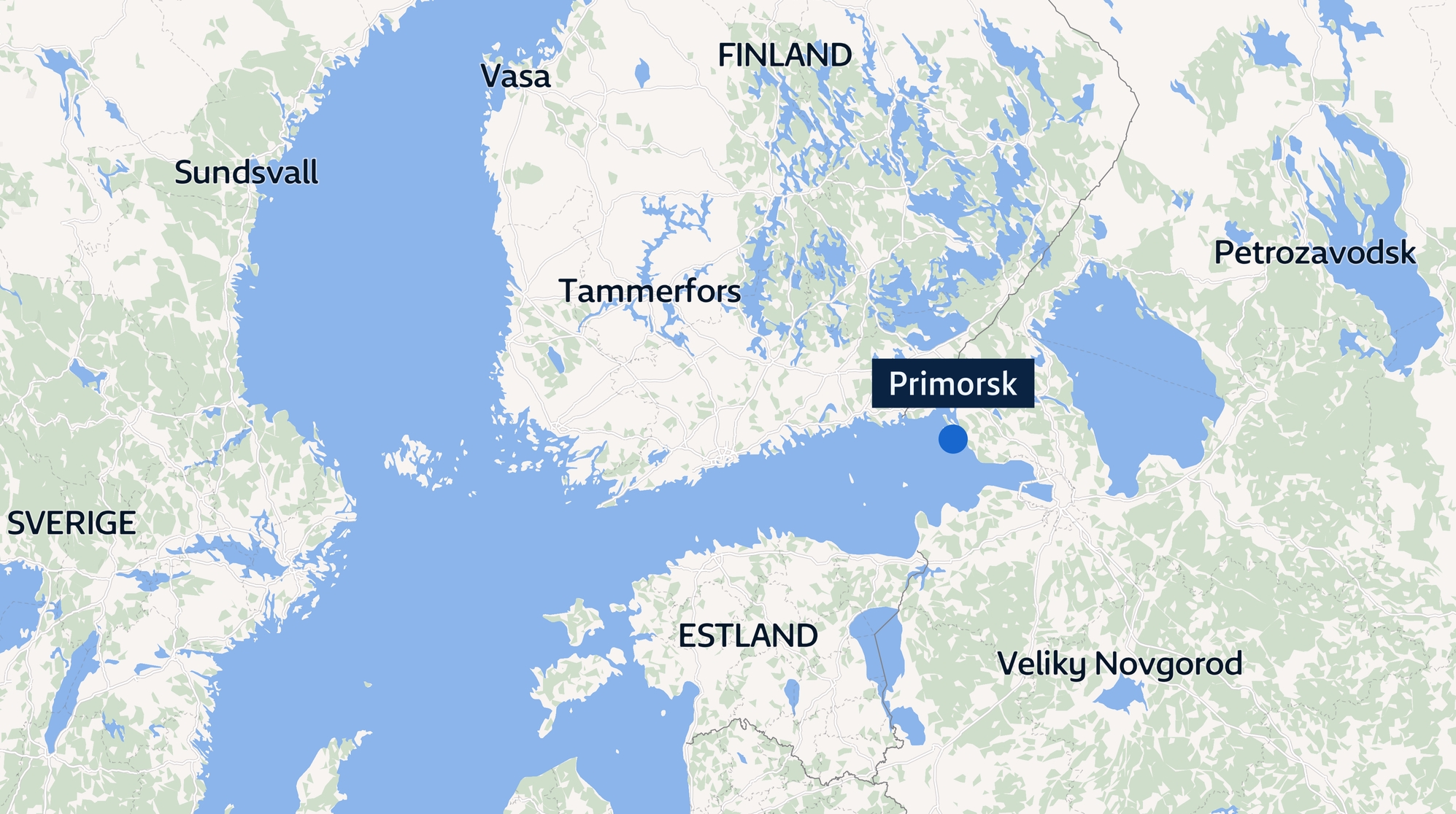
On the morning of April 5, a drone attacked an oil pipeline near Primorsk in Leningrad Oblast. Regional Governor Alexander Drozdenko confirmed the damage: pipeline operations were halted, and the resulting fire is "burning out in a controlled manner" — the pipe was shut off, and the blaze is occurring in a safe mode. No casualties have been reported.
Not just a pipe — a hub of "shadow" oil exports
Primorsk is the end point of the Baltic Pipeline System, operated by the state monopoly Transneft. Around 60 million tonnes of oil pass through this port each year, bringing Russia roughly $15 billion annually. As the Kyiv Independent reports, citing a source in the SBU, Primorsk is the key hub for the "shadow fleet" — old tankers Russia uses to circumvent Western oil embargoes.
Together with the port of Ust-Luga, Primorsk handles about 2 million barrels per day — the lion's share of Russia's seaborne oil exports in the Baltic.
April attack — in the context of a series of strikes
April 5 was not the first strike on the region. At the end of March 2025, Ukraine's Defense Forces carried out a series of strikes on Primorsk and Ust-Luga: Reuters reports the attacks destroyed at least eight storage tanks of 50,000 cubic meters each, and Primorsk lost up to 40% of its storage. Smoke from the fires was visible from the Finnish shore.
"This attack is one of the largest strikes on Russia's oil export facilities in four years of war"
Reuters, citing industry sources
As a result of combined strikes on ports and refineries, Reuters estimates Russia's export capacity has been reduced by roughly 1 million barrels per day — about 20% of total capacity. With terminals blocked, Transneft's pipeline system has become overfilled, complicating the recovery of production.
Chain effect: from the Baltic to Kirishi
Alongside the ports, the KINEF refinery in Kirishi — one of Russia's largest refineries, located upstream on the same pipeline system — was hit. According to Reuters, the plant may be able to resume operations no earlier than in a month — and only if the ports restore shipments.
- Primorsk — lost up to 40% of storage, shipments suspended
- Ust-Luga — halted shipments after five strikes in 10 days
- KINEF (Kirishi) — the most powerful processing unit has been shut down
- Lithuania — one of the drones that veered off course during the attack on Primorsk crashed on its territory
The Prime Minister of Lithuania confirmed the drone was heading to attack Russia's oil export infrastructure but lost its bearings. The incident has opened a separate discussion within NATO about the risks of long-range drone operations near Alliance borders.
If the April strike on the pipeline turns out to be part of a new wave of attacks rather than an isolated incident, the question is simple: can Transneft maintain the pace of recovery until the start of the summer navigation season, when demand for tanker shipments traditionally rises?



