Drone mines on the border: Russians drop "light-colored sacks" with explosives in Sumy region
Residents warned: explosive packages can detonate when approached or touched — we explain why this is dangerous for border communities and what to do.

By Tetiana Suchkova-Ladik
January 26, 2026 · 2 min read
What happened
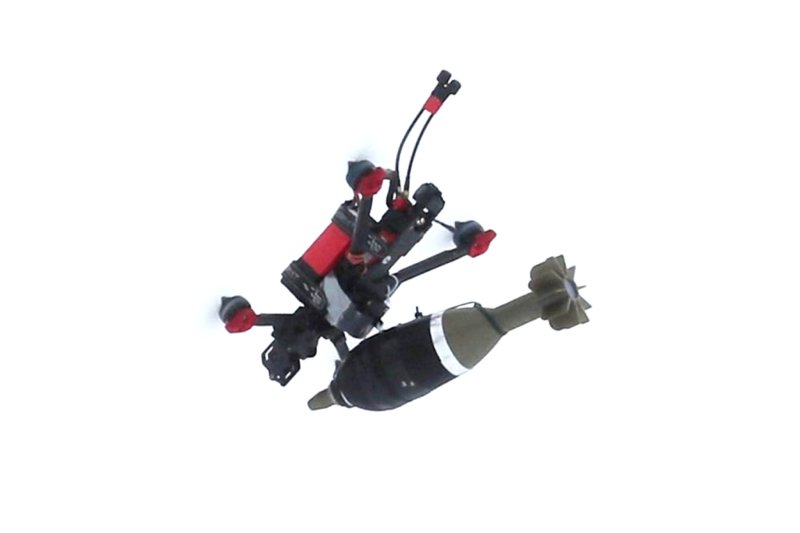
In the Sumy region, Russian forces are using a remote-mining tactic — small light bags with explosive devices are being dropped from drones. This was reported by the head of the Sumy Regional Military Administration, Oleg Hryhorov.
"Due to recorded cases of such mining in territories adjacent to Sumy, I urge residents of the region to be especially careful when traveling on roads, particularly near border settlements"
— Oleg Hryhorov, head of the Sumy RMA
Why it matters
This tactic is an element of asymmetric pressure: drones allow mining road approaches and areas around settlements without direct contact with enemy forces. The explosives in the packages can be triggered by pressure or proximity, creating a risk for pedestrians, vehicles and humanitarian corridors.
Earlier, a spokesperson for the Armed Forces of Ukraine already told LIGA.net about the preparation of similar drone actions in the Zaporizhzhia region, and the State Border Guard Service in January 2026 indicated that the Sumy and Kharkiv regions are particularly suffering from such attacks. This suggests a systemic nature of the threat, rather than isolated incidents.
Practical instructions for residents
Do not approach or touch suspicious bags or packages.
Mark the location from a safe distance (take a photo from afar), report it to the police at 102 and to the local military-civil administration.
If possible, move to a safe distance and warn neighbors; do not attempt to move or disarm objects yourself. Wait for explosive ordnance disposal specialists to arrive.
Context and conclusion
Such actions fit the logic of remote strike and pressure on border communities. Minimizing the consequences requires increased patrolling, information work with residents and rapid response by pyrotechnic safety services. Effective countermeasures demand coordination between security forces and civilian infrastructure: from simple safety rules to equipping routes with alternative paths and deploying sensor systems.
While the threat remains real, it depends on each resident whether we reduce the risks to a minimum — or allow the enemy to make our border a dangerous space.
Sources: statement by Oleg Hryhorov (Sumy RMA); LIGA.net report (spokesperson of the Armed Forces of Ukraine, December 2025); State Border Guard Service (January 2026).



