Drones hit Cherkaskyi: four killed, including a child — what this means for community safety
Russia struck the private sector of Cherkaske with "Geran‑2" drones — civilians are being killed, children wounded. We examine why this is not an isolated incident and what practical lessons are needed to protect communities.

By Tetiana Suchkova-Ladik
January 23, 2026 · 2 min read
What happened
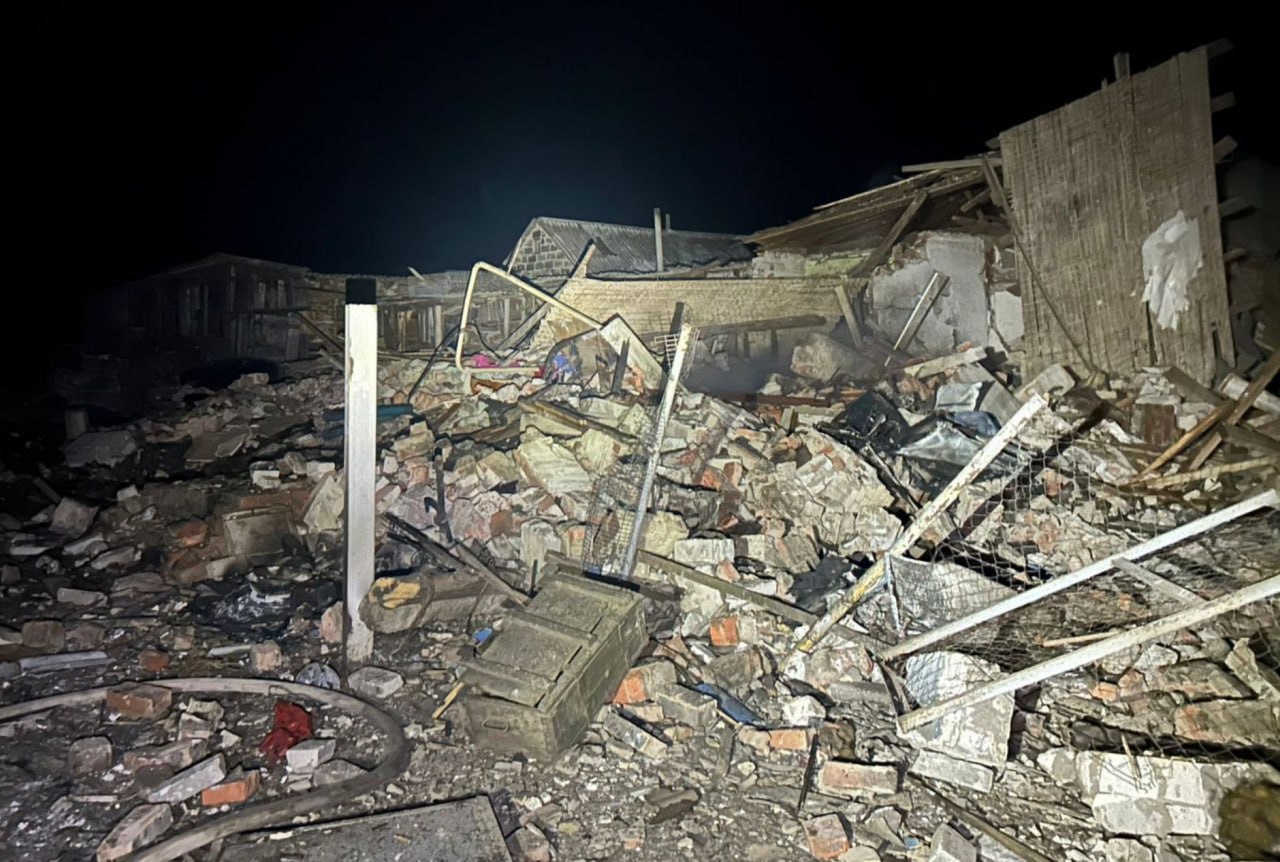
On 22 January at 22:50 Russian forces struck the private-sector residential area of the settlement of Cherkaske in Kramatorsk district, Donetsk region, with "Geran-2" drones. According to the Donetsk Regional Prosecutor's Office, the strikes killed four people — among them a five-year-old boy and his 32-year-old father; two other neighbors also died.
"As a result of the Russian drone attack on residential houses in Cherkaske, four people were killed, including a child; five people were injured, three of them children."
— Donetsk Regional Prosecutor's Office
The deceased boy’s mother and three girls aged 12, 14 and 16, as well as a 34-year-old local woman, were injured. Medics diagnosed blast injuries, burns and abrasions; the victims' conditions range from severe to moderate. The strike destroyed two residential houses.
Wave of attacks the same day
On the same day Russia attacked other regions: in Kharkiv region (Kozacha Lopan and Ruska Lozova) two volunteers were killed; in Dnipro drones damaged an apartment building and injured people; and in Kryvyi Rih ballistic strikes wounded 13 people, including four children. This series of strikes demonstrates the varied threats to the civilian population.
Why this matters
An attack on a private residential area is not only a humanitarian tragedy, it is also indicative of a tactic that uses mobile strike assets to hit civilian infrastructure. The spread of strike drones and their combination with ballistic strikes increases risks where effective air defenses or adequate shelters are absent.
Experts and human-rights defenders note that without rapid strengthening of air defence, improvement of warning systems and support for local emergency services, the number of casualties and the scale of destruction may grow.
What to do next
The practical conclusions are clear: the rapid deployment of mobile air-defence systems to protect communities, training for local civil-protection services, and priority humanitarian and medical assistance for the victims. This is not rhetoric — it is a matter of security for every community.
Now the question for partners is whether their declarations will turn into rapid deliveries of equipment and technical support sufficient to reduce the risks. The answer will determine whether we can lower the number of such tragedies in the future.



