Drones vs. mobilization: how in December Ukraine’s Armed Forces neutralized over 33,000 occupiers — and what this means
Systematic operations by drone units have delivered a noticeable result — in one month roughly as many enemy personnel were struck as Moscow mobilized. We examine why these figures matter for Ukraine’s security and what they change on the front.

By Tetiana Suchkova-Ladik
January 6, 2026 · 2 min read
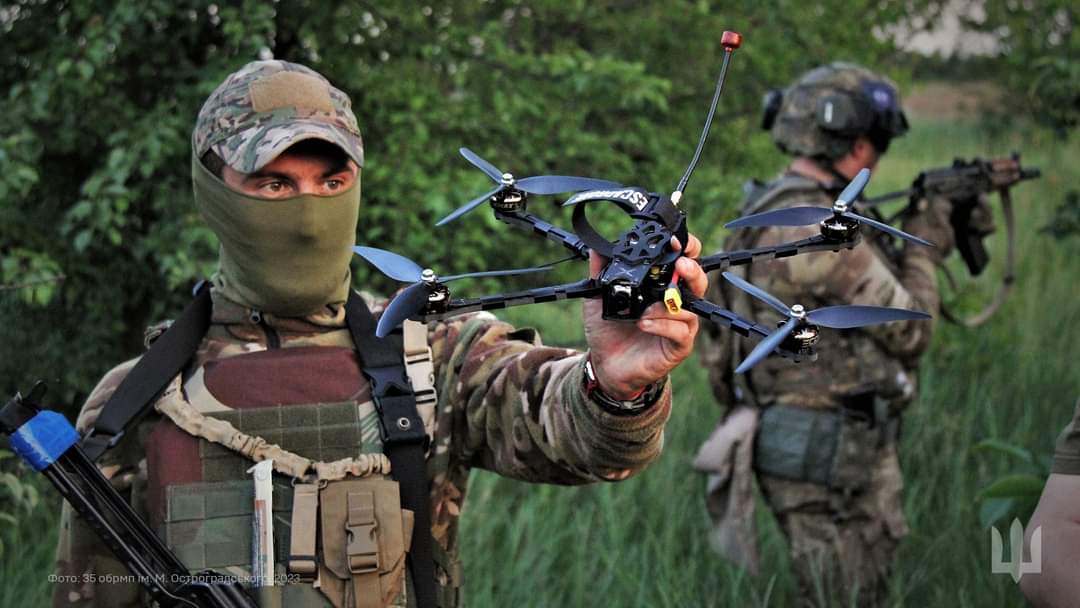
Systematic work produced results
In December 2025, according to the Commander-in-Chief of the Armed Forces of Ukraine, Oleksandr Syrskyi, units of the Defense Forces' unmanned systems for the first time recorded the neutralization of approximately the same number of occupiers as Russia mobilized in a month. These are not triumphant slogans — this is an indicator of the tempo of operations and the effectiveness of new approaches to using drones, which has direct implications for the enemy's security and logistics.
“Last December was the first month when units of the Defense Forces' unmanned systems neutralized roughly as many servicemen of the occupying army as Russia called up in a month. The enemy lost more than 33,000 personnel. This figure includes only cases confirmed by video, but the occupiers' real losses are greater.”
— Oleksandr Syrskyi, Commander-in-Chief of the Armed Forces of Ukraine
What the numbers mean
Besides the total losses, Syrskyi provided operational statistics: in December unmanned aerial system units carried out about 339,000 missions, and ground robotic complexes — almost 2,100. According to him, the total number of struck or destroyed targets increased by 31%, and the number of Russian troops attacked — by more than a quarter.
Why this matters
First, the comparison with Russian mobilization provides a clear frame: drones create an operational imbalance that weakens the enemy's ability to replenish forces. Second, it underscores resource savings and speed of response — a drone operation costs less than classic assault actions, while inflicting significant losses on the adversary.
Experts note that such results are a combination of technology, intelligence, logistics and operator training. These are not isolated incidents, but the result of large-scale, systematic work that is already affecting the operational picture on the front.
Risks and challenges
Syrskyi also warned about the enemy's plans: the Russians allegedly intend in 2026 to double the size of their unmanned systems forces — to more than 160,000 personnel. This means that the increasing effectiveness of our drones will meet increasingly serious countermeasures and a mass buildup of the enemy's unmanned resources. Therefore, Ukraine needs not only to expand its own capabilities but also to strengthen air defence, electronic warfare, production chains and personnel training.
Brief conclusion
The results of December 2025 show that the drone campaign has become an important factor in Ukraine's strategic resilience. But this is also a signal to partners — declarations of support must turn into concrete contracts for aircraft, components and support systems. Whether it will be possible to maintain the pace while simultaneously strengthening resistance to the adversary is the key question for 2026.



