Drones Shift the Balance: In January 2026 Ukraine's Armed Forces Killed More Occupiers Than Russia Mobilized
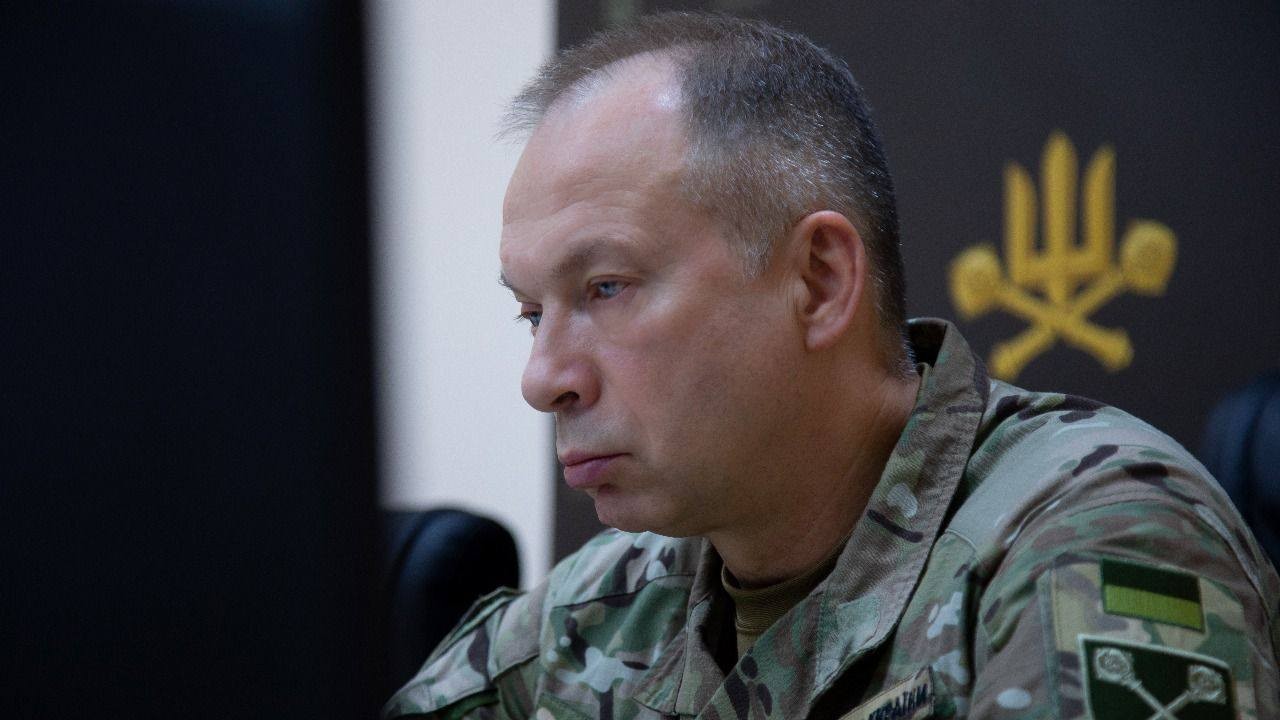
Commander-in-Chief Syrskyi said that in January drone units "reduced" about 29,700 people — more than the 22,000 Moscow had mustered. This is evidence of effectiveness, but also a signal of an escalation in the drone race.

By Tetiana Suchkova-Ladik
February 7, 2026 · 2 min read
In brief: numbers and sources
In January 2026, according to Commander-in-Chief of the Armed Forces of Ukraine Oleksandr Syrskyi, Ukrainian drone operators neutralized approximately 29,700 Russian servicemen — while Russia was able to mobilize about 22,000. Syrskyi announced these figures during the monthly meeting on drone system development; additional information on the enemy's plans was provided by the Main Directorate of Intelligence (HUR).
What the commander-in-chief said
“This is the difference we strive for: to destroy more soldiers than Russia can put into service. This is the effectiveness of our unmanned systems that, if further expanded, will force Moscow to stop the war of aggression.”
— Oleksandr Syrskyi, Commander-in-Chief of the Armed Forces of Ukraine
Operational details and technical profile
According to Syrskyi, in January unmanned aviation units struck about 66,200 targets. Ground robotic complexes carried out nearly 25% more missions than in December. Ukraine still maintains an advantage in the use of FPV drones, which are effective in close assault operations and in striking pinpoint targets.
At the same time, the HUR reports that Moscow is scaling up capabilities: the Russians plan to increase the personnel of unmanned-systems units by 79,000 people — to roughly 165,000 by 2026 — and are introducing interceptor drones and jet-powered “Geran-4/5” (Russian designation Shahed) into service.
Why it matters (and what's behind it)
First, the ratio of “destroyed” vs. “mobilized” is an operational indicator of pressure on the adversary’s resources: if losses exceed the rate of replenishment, then offensive-sustaining strategies are likely to become more costly for the aggressor. Second, the statistics confirm that drones are not only an effective propaganda tool but a functional component of tactics: from reconnaissance to precision strikes.
But this simultaneously triggers an arms race in the UAV domain: Russia compensates losses by increasing production, introducing interceptors and new types of strike platforms, which requires from us rapid technological and organizational responses — more munitions, electronic warfare (EW), operator training, and improved command and control.
Political context and resources
Defense Minister Oleksiy Fedorov recently outlined one of the strategic goals — 50,000 enemy combatants destroyed per month. Such a target demonstrates an ambitious aim to degrade the opponent’s combat capability, but its achievement will depend on supplies, training, and the resilience of logistics. Analysts note: without systematic partner support and large-scale ammunition production, the drone advantage may prove temporary.
Conclusion — what's next?
January’s figures are a signal: Ukrainian drones are working and changing the operational picture. At the same time, Moscow is responding with scaling and new technologies. Thus the task for the coming months is simple to state but difficult to implement: turn a tactical advantage into a sustainable operational and technological one — through munitions, EW, training, and industrial mobilization. The question for partners and society is whether these declarations will be backed by the supplies and investments needed to preserve the advantage.



