Second day in Geneva: trilateral talks on the mechanics of decisions affecting Ukraine's security
On 18 February, delegations from Ukraine, the United States and Russia continue talks in political and military formats — the specific security parameters and the future of Donbas hinge on the outcome.

By Tetiana Suchkova-Ladik
February 18, 2026 · 1 min read
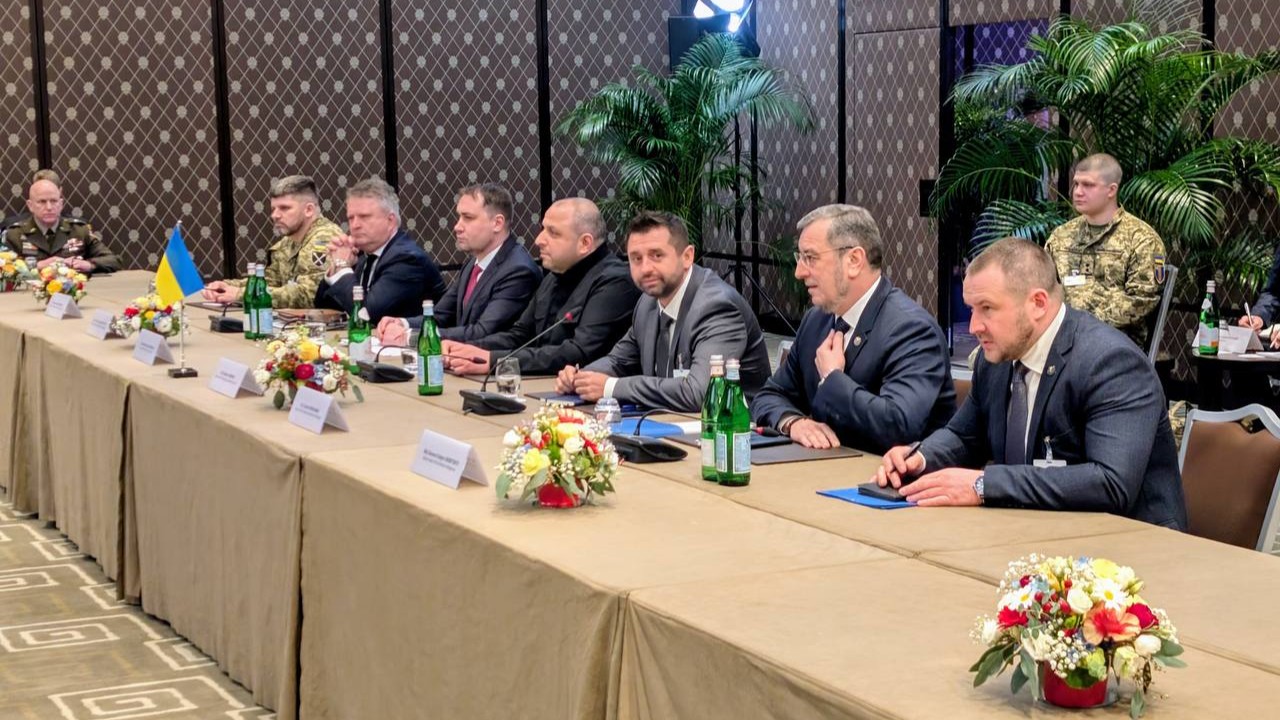
In high diplomacy, substantive work matters more than loud statements
The second day of trilateral talks between Ukraine, the United States and Russia has begun in Geneva. Secretary of the National Security and Defense Council Rustem Umerov is heading the Ukrainian delegation and emphasizes the drive for clear, technical work on the parameters of possible solutions.
"We are working on clarifying the parameters and mechanics of the solutions that were discussed yesterday. We are focused on substantive work. We will provide additional information on the outcomes."
— Rustem Umerov, Secretary of the National Security and Defense Council of Ukraine
Format and focus of the talks
On February 18 consultations are taking place in topic-based groups within the political and military blocks. The first day, February 17, was devoted to practical issues and the mechanics of possible solutions; after that Umerov held a series of meetings with European partners and U.S. representatives.
Political backdrop and the positions of the parties
President Volodymyr Zelensky reiterated that Ukraine will not accept a peace that would entail ceding the Donbas to Russia. In the same dynamic, Donald Trump urged Ukraine to move more quickly to the negotiating table — differences in approaches further complicate the diplomatic picture.
For the Ukrainian side, the key issue is not declarations but concrete mechanisms that will guarantee security and territorial integrity. That is why work in the technical groups and agreements on the "mechanics" are of decisive importance.
What this means for the reader
The real ability to protect people and borders depends on the technical details that the groups are currently working through. Analysts and diplomats point out: if a transparent mechanism of guarantees can be worked out, political declarations may have a chance to become real security instruments.
Now the ball is in the partners' court: whether these consultations will be transformed into signed agreements that will serve to protect Ukraine is the main question awaiting an answer.



