Air Assault Forces in the south: over 300 sq km and eight settlements liberated on the Oleksandrivka axis
The Air Assault Forces, together with neighboring units, repelled attacks, regained control over territories and are pushing back the occupiers — why this is important for the security of the Dnipropetrovsk region.

By Tetiana Suchkova-Ladik
February 22, 2026 · 2 min read
Operation and its essence
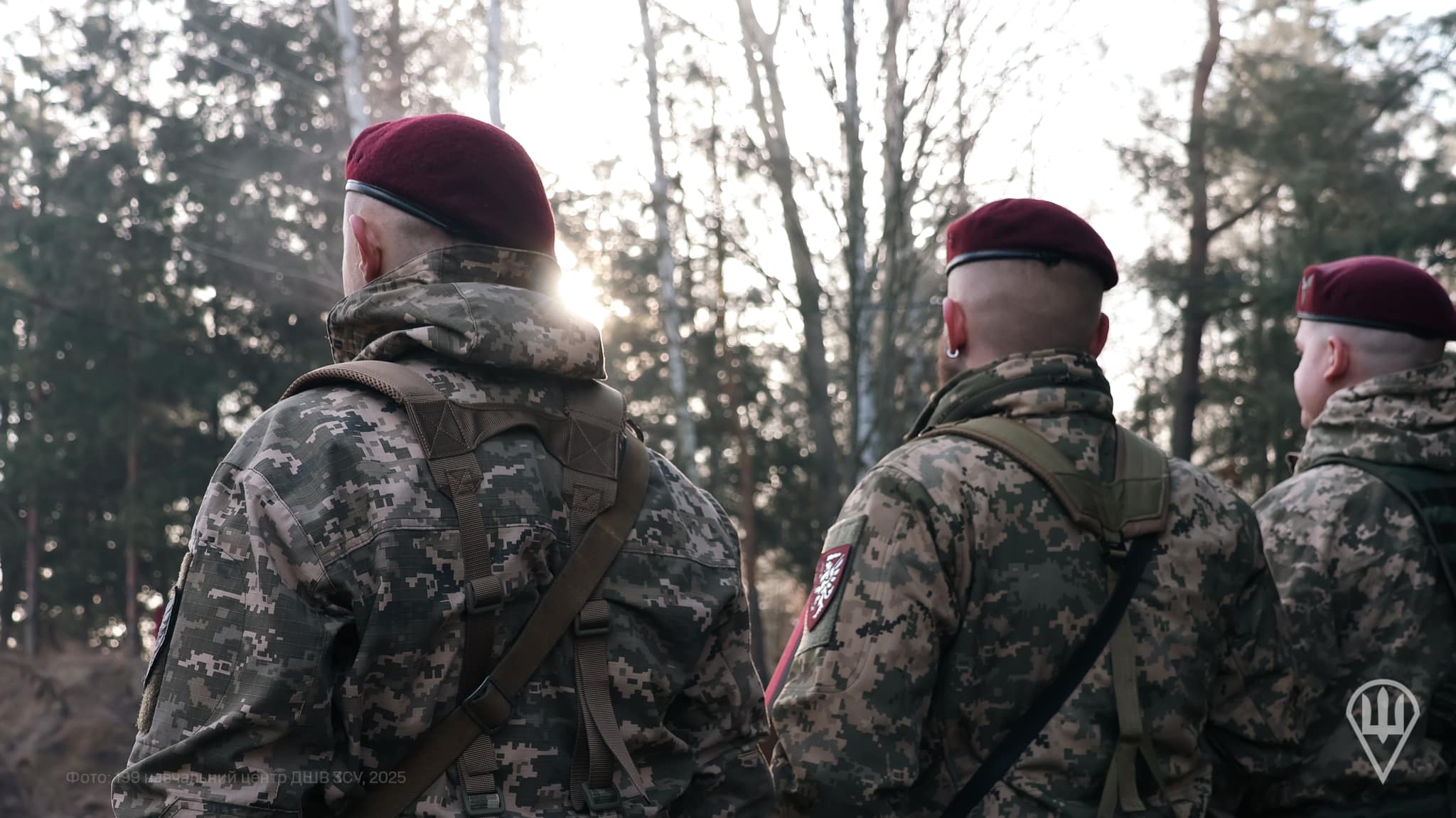
The Air Assault Forces of the Armed Forces of Ukraine are conducting offensive operations on the Oleksandrivka direction. According to the command, since the start of the operation units, together with adjacent forces, have cleared sabotage-and-reconnaissance groups and restored control over more than 300 km² of territory and 8 populated localities. This is part of efforts to disrupt the enemy's plans for further advance toward the Dnipropetrovsk and Zaporizhzhia regions.
"Overall, the situation can be described as very dynamic. The enemy clings to every metre... but despite their resistance, the units are fulfilling assigned tasks and are liberating native land step by step."
— Command of the Air Assault Forces of the Armed Forces of Ukraine
What is known
Officially: the AAF command confirms successful offensive actions and repelled enemy counterattacks. President Volodymyr Zelenskyy on 20 February also reported the liberation of about 300 km² in the south. The Ukrainian project DeepState records a reduction in occupied territory and an increase in the grey zone in the direction, although maps are updated with a delay.
The spokesman for the Southern Defence Forces in an interview with LIGA.net noted that one factor of success was operational circumstances around communications (in particular, Russian blocking of Starlink is mentioned as one factor), however the command emphasizes that the outcome is influenced by a combination of measures, equipment and the training of personnel.
Why this matters
The Oleksandrivka direction is a transitional zone where Donetsk, Dnipropetrovsk and Zaporizhzhia regions meet. Holding and gradually destroying enemy groupings here limits their routes for advancing deeper into Dnipropetrovsk region, complicates logistics and allows formation of more advantageous positions for further operations. Analysts note that even local successes on such nodal sections can shift the tactical balance along hundreds of kilometres of the front.
Limitations and warnings
The AAF command stresses that the active phase of the operation is ongoing, so it is too early to speak of final results. Estimates of area and controlled localities may be refined as advances continue and data are confirmed.
"However, as long as the active phase of the operation continues, it is somewhat premature to speak of its final results."
— Command of the Air Assault Forces of the Armed Forces of Ukraine
What next
This is an important tactical move — but to turn temporary gains into a sustainable strategic result requires logistical support, artillery cover and continued reconnaissance. International partners also play a role: equipment and intelligence increase the chances of consolidating gains. The question for the next stage is whether these positions can be held and gradually turned into a stable line that will complicate any new attempts by the enemy to advance.
Sources: official statements of the AAF command, statement of the President of Ukraine (20.02), analytical project DeepState, interview with the spokesman of the Southern Defence Forces for LIGA.net.



