Two Patriots in Service: How Germany Strengthened the Air Defenses of Ukrainian Cities
Two Patriot systems delivered by Germany have already been deployed to defend cities and critical infrastructure. We explain what this provides today — from intercepting high-speed missiles to a diplomatic signal for partners.

By Tetiana Suchkova-Ladik
January 1, 2026 · 2 min read
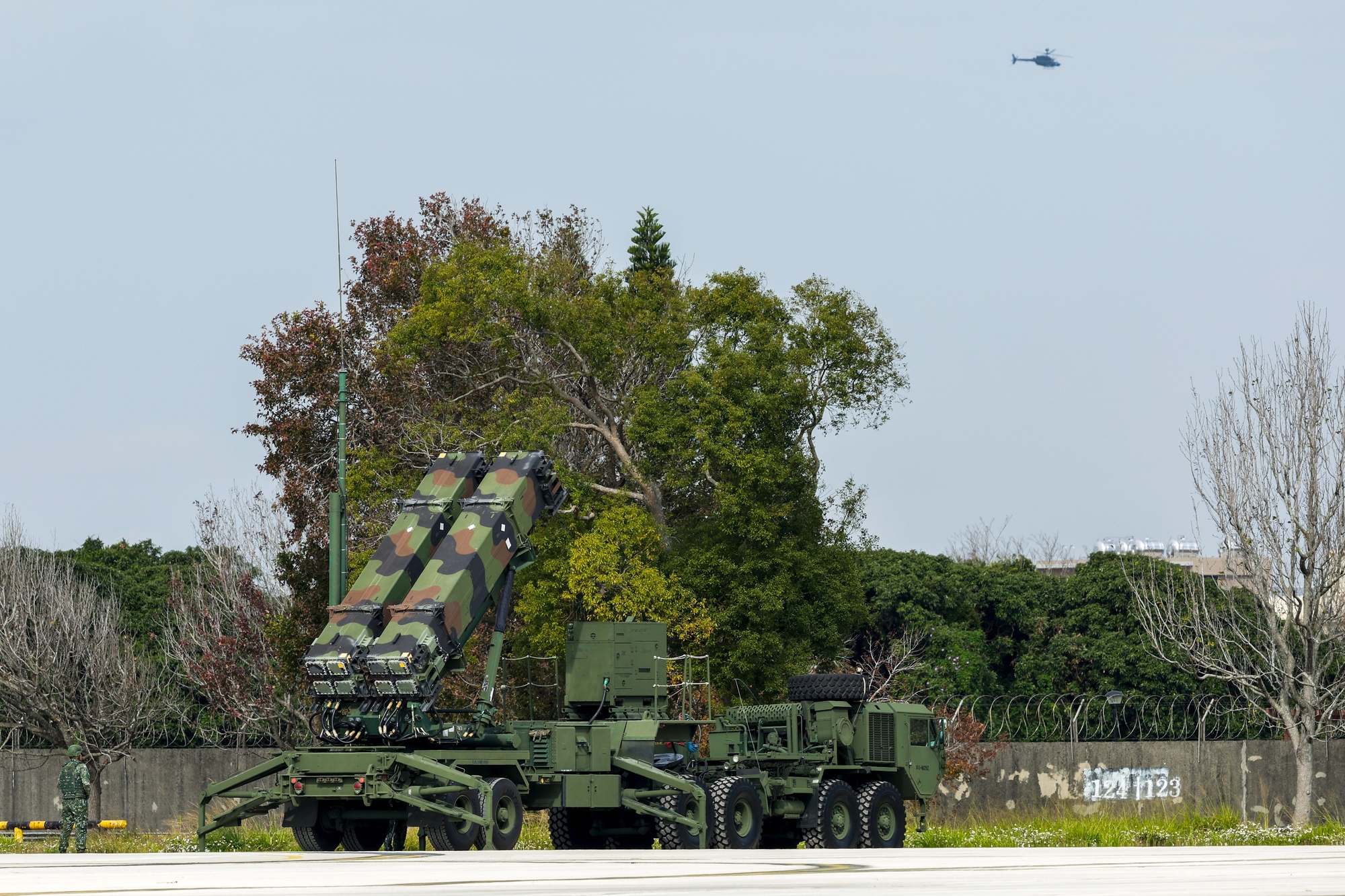
Systematic work, now visible even to the naked eye
Today two Patriot surface-to-air missile systems supplied by Germany have entered service. The Ministry of Defence of Ukraine officially reported this — a step that strengthens the multilayered protection of major cities and critical infrastructure.
"Two Patriot air defense systems provided by Germany have been put into service in Ukraine."
— Ministry of Defence of Ukraine
What exactly was delivered
These are two battery sets of U.S.-produced Patriot systems, delivered by Berlin under agreements with the German government. The public handover was confirmed by German Defence Minister Boris Pistorius on 16 December 2025.
Why this matters for security
Patriot is one of the most widespread and technically mature air-defence systems in the world. For Ukraine, its arrival means not only additional missiles on the perimeter but also enhanced capabilities for early detection, tracking and interception of complex targets, which directly affects the protection of cities and critical infrastructure.
Key technical characteristics (in the context of threats)
Versatility: the system is designed to counter aircraft, cruise and ballistic missiles; the Ministry of Defence noted that Patriot can also counter high-speed targets, including those positioned as "Tsirkon" or "Kinzhal" (the statement cited estimated speeds up to 11,000 and 16,000 km/h respectively).
Radar effectiveness: modern Patriot radars can detect and track many targets simultaneously, and the missiles have high guidance accuracy.
Multitasking: one battery can detect up to 100 targets and simultaneously track several (by various estimates — up to 8) priority threats.
Range and altitude: the statement lists approximate engagement limits — up to ~160 km in range and up to ~24 km in altitude, which allows covering large areas and important facilities.
Practical effect and limitations
Two systems are a significant reinforcement, but not a panacea. For a sustained effect you need trained crews, logistics, ammunition and integration with existing air-defence assets. It is also important to understand — even the most advanced systems have technical limits and require a support network.
Diplomatic and operational signal
The transfer of Patriots is not only military assistance but also a political signal: partner trust that can speed up further deliveries and training. President Zelensky previously spoke of the desire to order 27 such systems from the United States — the two that have arrived partially demonstrate the direction in which our defence architecture should develop.
Conclusion
Two Patriots change the operational balance in specific sectors of airspace and add a new level of protection for key facilities. The next step is scale: will these single deliveries turn into a systematic program of supplies, training and technical integration? The answer will determine how quickly Ukraine's air defence can move from local successes to a sustainable defence strategy.



