Two "Spies" on Autobahn A6: How a Routine Document Check Can Dismantle a Spy Network
Bavaria police arrested a Ukrainian and a Latvian with a surveillance arsenal during a routine road check — but who exactly ordered them has not been officially named.

By Tetiana Suchkova-Ladik
April 23, 2026 · 2 min read
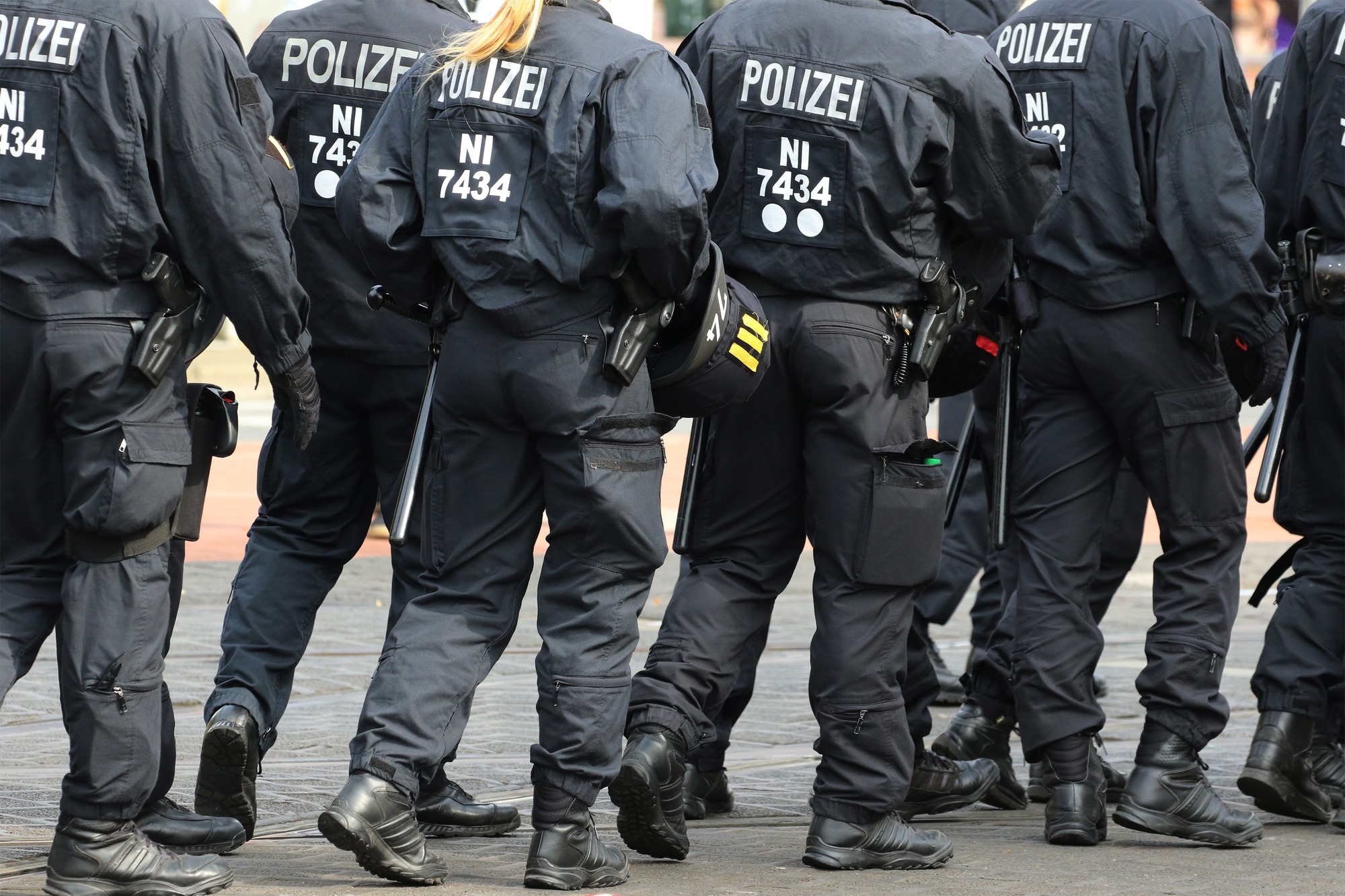
On April 12, on the A6 autobahn near Neuendettelsau in Middle Franconia, Bavarian police stopped a vehicle with Latvian license plates — supposedly a routine check. When they opened the car interior, they found something that transformed a traffic control into a counterintelligence case.
What was in the car
The investigation seized forged identity documents, cameras, a drone, GPS trackers, radio stations, and several mobile phones with various SIM cards. A classic set for operational surveillance: a drone for aerial reconnaissance of objects, trackers for marking vehicles or people, multiple phones for separating operational communication channels.
The detained individuals are a 43-year-old Ukrainian citizen and a 45-year-old Latvian citizen. Both have been in custody since their arrest. The Munich prosecutor authorized their detention; according to the Bavarian State Criminal Police Office (LKA), the men are accused of espionage and use of forged documents.
The most important thing officials didn't say
The Bavarian LKA in its statement only noted that the suspects apparently "acted on behalf of an organization or institution outside Germany" — and named no specific intelligence service. According to the German news agency dpa, this formulation is intentionally vague: the investigation either lacks sufficient evidence of attribution or consciously does not disclose it at the pre-trial investigation stage.
"The 43-year-old Ukrainian and 45-year-old Latvian are accused of espionage for the purpose of sabotage"
— Bavarian LKA in a press statement cited by Focus
An important detail from their route: according to Zeit, at the moment of detention, the men were traveling in the direction of the Czech border. This means either they had already completed their task in Bavarian territory or were heading to the next target.
Context: not the first case
In March 2025, the Federal Prosecutor of Germany arrested two more suspects in Rheine and Spanish Elda — a Romanian woman and a Ukrainian — who allegedly monitored a drone supplier to Ukraine in the interests of Russian intelligence. Those cases also involved the Bavarian LKA and the Federal Office for the Protection of the Constitution (BfV).
The pattern is recognizable: citizens of third countries with forged documents, transit routes through the Schengen zone, a surveillance kit — and blurred attribution of the customer.
Why this matters for Ukraine
The fact of the suspect's citizenship does not automatically mean he acts in Ukraine's interests or against them. Ukraine itself is a target: the previous March case concerned surveillance of weapons supplies to Kyiv. If the current case has a similar vector — it means that agent operations against Ukrainian logistical chains in Europe continue even after numerous public exposures.
The key question, on which the case's classification depends: if the investigation can prove a specific customer — will the evidence collected be sufficient to bring charges in court, rather than just maintain detention? Previous high-profile cases in Bavaria show: from arrest to verdict — years, not months.



