Dictators Are Falling, and "Oreshnik" Is No Rescue: What Will a Decisive January Bring for Ukraine?
While the enemy tries to freeze Ukrainian cities and intimidate the world with missiles costing tens of millions of dollars, the geopolitical chessboard is rapidly shifting away from the Kremlin's favor. The kidnapping of dictator Maduro by US special forces and the flames of protests in Iran are a clear signal: the era of unpunished tyrants is drawing to an end, and Ukraine stands at the center of these global transformations.

By Tetiana Suchkova-Ladik
January 11, 2026 · 2 min read
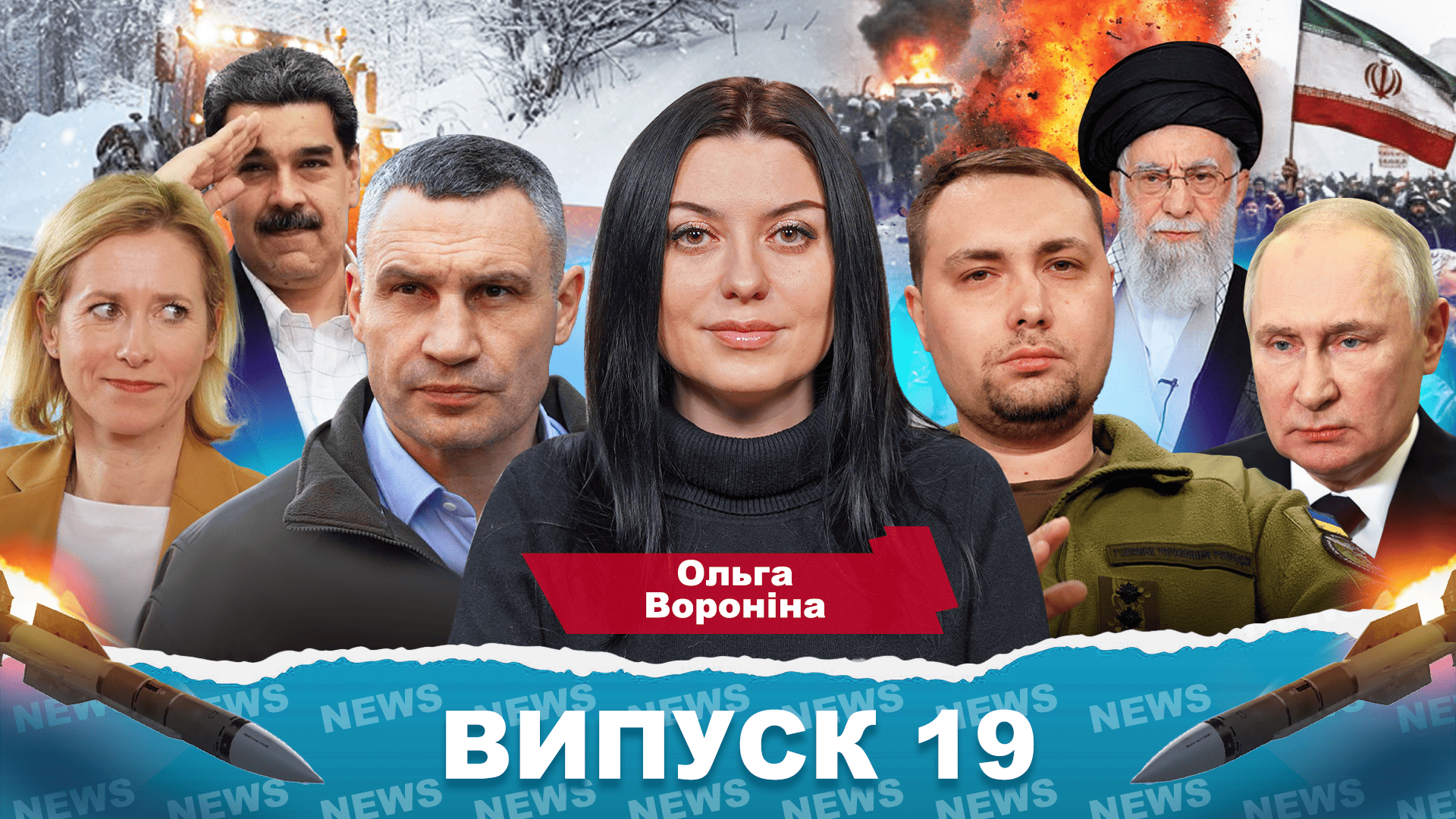
"Oreshnik" as a gesture of desperation and energy terror
Another Moscow attempt to intimidate us with the hypersonic ballistic "Oreshnik" turned out to be more of an expensive PR stunt than a strategic advantage. Spending $50 million on a single missile to strike the ground infrastructure of a gas storage facility — that is a display of their own impotence. Yet the real threat remains in the energy sphere. Due to massive attacks on district boiler houses, half of Kyiv faces the risk of freezing. The capital's mayor, Vitali Klitschko, has already urged residents, if possible, to relocate to places with autonomous heating to prevent irreversible damage to the systems.
"Putin does not want peace. Russia's response to diplomatic efforts is even more missiles and destruction. We must help Ukraine break this deadly pattern."
– Kaja Kallas, EU Representative for Foreign Affairs
Geopolitical earthquake: Maduro and Iran
For the Kremlin, the week became a real disaster on the international stage. a US special operation in Venezuela, which left Putin's long-time ally Nicolás Maduro in an American courtroom, became an "information bomb." Add to that the shaky position of the ayatollahs' regime in Iran, where protests have swept all 31 provinces — and we see Moscow losing its last partners in the "axis of evil." Western analysts are confident: if the regime in Tehran does not hold, supplies of drones and missiles for attacks on Ukraine may stop forever.
Peace by force and Paris's closed doors
Against the backdrop of global turbulence, Ukrainian diplomacy is not slowing down. The new head of the President's Office, Kyrylo Budanov, has already announced the results of secret talks in Paris. While Moscow reacts hysterically to the possibility of deploying British and French troops in Ukraine, Kyiv is preparing a final version of a peace plan that will be based on real security guarantees, not empty promises.
Community standing strong: Bilohorodka holds firm
Despite bad weather and shelling, our community shows iron resilience. While energy crews, under fire and in icy conditions, restore the lines, in Sviatopetrivske teams are already working to clear the consequences of falling drone debris. Points of Invincibility have been set up in all the villages of the community, and the joint celebration of Epiphany once again proved: our unity cannot be broken by frost or rockets.



