George Clooney Granted French Citizenship — How Paris Is Strengthening Cultural Diplomacy
Politico reports that France granted citizenship to George Clooney, his wife Amal and their children at the request of the foreign minister. This is not just a personal gesture — it is an instrument of soft power that merits our attention.

By Tetiana Suchkova-Ladik
January 1, 2026 · 2 min read
What happened
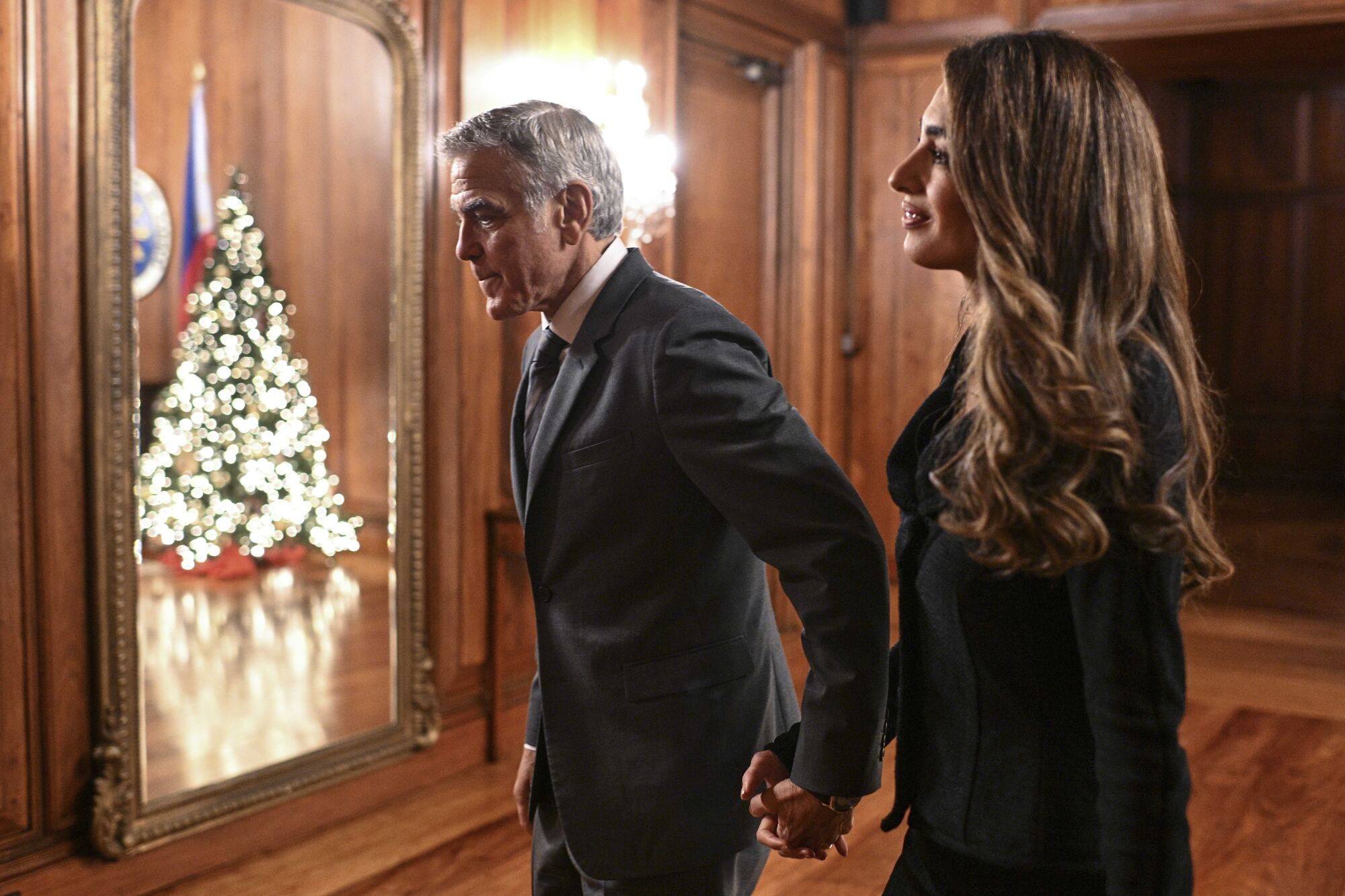
According to Politico, Hollywood actor George Clooney, his wife Amal and their children have officially been granted French citizenship. The initiative came from Foreign Minister Jean‑Noël Barro: in a letter dated October 20 to Interior Minister Laurent Nunez, Barro recommended expediting the procedure, and the decision was formally approved on December 26.
The case concerns a special mechanism that allows citizenship to be granted to a "Francophone foreigner who, by their distinguished work, contributes to the authority of France and the flourishing of its international economic relations." The document notes that the Clooney family have long lived in southern France, their children study there, and the couple has personal and professional ties to the country.
Why it matters
The decision is an example of how a state uses the instrument of citizenship as an element of soft power. According to the ministry's reasoning, Clooney's work benefits the French film industry and strengthens the country's international image; the family's charitable work also aligns with the values France promotes in the world.
"Through their life paths and convictions they embody the values of solidarity, freedom and creativity that France promotes around the world"
— Jean‑Noël Barro, France's foreign minister (quote from the letter)
Context and reactions
Clooney is known not only as an actor but also as an activist: together with his wife — a human‑rights lawyer — they run the Clooney Foundation for Justice, which provides legal assistance in more than 40 countries. This explains Paris's interest: having a public figure with a network and resources nearby is an advantage for national diplomacy and industry.
At the same time, Clooney's public profile has been accompanied by political conflicts: his positions on human rights and criticism of authoritarian leaders have drawn negative reactions from Russia and Hungary; in the US Clooney had a confrontation with Donald Trump, who in one post called him "a fake movie actor."
"a fake movie actor"
— Donald Trump, former US president (post on Truth Social)
What this means for Ukraine
For Ukraine, this case should be viewed not as a light‑hearted curiosity but as a signal: states continue to use mechanisms of citizenship and high‑profile individuals to strengthen their foreign policy positions and promote human‑rights values. Celebrities' networks of influence can amplify voices on the international stage — and this is an important resource in the struggle for partners' support and attention.
Conclusion
Granting citizenship to Clooney is both an honor and a strategic move. For France it is a way to invest in cultural diplomacy; for the rest of the world it is another example of how public figures and charitable initiatives are woven into political influence. Whether such decisions will become standard practice to bolster international support is a question that time and the reactions of societies and diplomatic services will answer.



