Mi‑24 crew killed in combat: what it means for army aviation and security
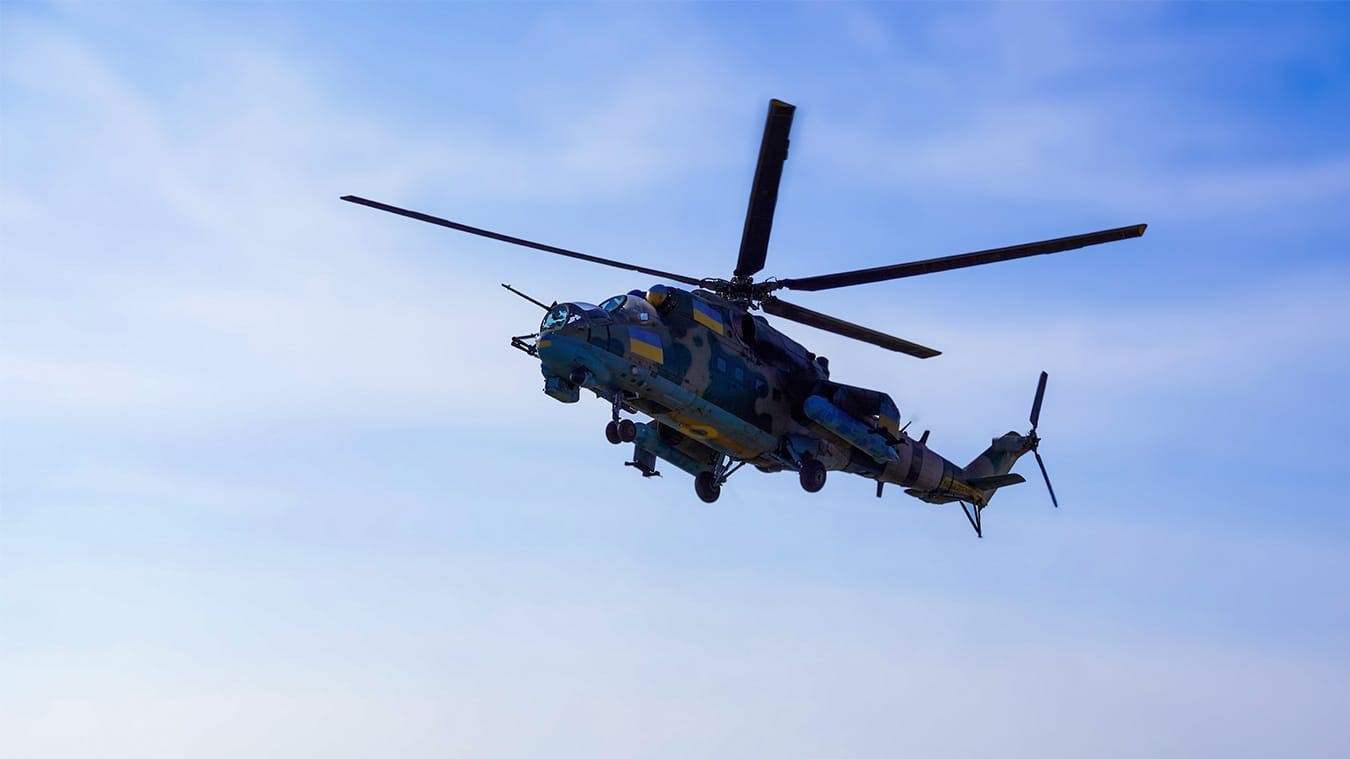
The 11th Separate Army Aviation Brigade "Kherson" reported the death of the crew of a Mi-24 that did not return from a combat mission. We analyze why the loss of the crew is more significant than the loss of the aircraft itself and what questions this raises for the command and partners.

By Tetiana Suchkova-Ladik
February 9, 2026 · 1 min read
What happened
The 11th Separate Army Aviation Brigade «Kherson» reported that the crew of a Mi-24 helicopter did not return from a combat mission and were killed. The brigade's statement said the deceased were officers; no other technical details or circumstances of the incident have been released so far.
"Our comrades did not return from the combat mission — the crew of an Mi-24 helicopter. Only the best sons of Ukraine are capable of defending the Fatherland so heroically and fighting desperately in the sky against the occupier."
— 11th Separate Army Aviation Brigade «Kherson»
Why it matters
Losses in aviation are not only the loss of equipment. A trained crew with combat experience is a resource whose replacement takes months and years. Army Aviation carries out tasks in support of ground units, evacuation and reconnaissance; a reduction in the combat pool of pilots without urgent replenishment affects the ability to maintain the tempo of operations.
Context and trend
This is not an isolated case: in December a similar loss during a combat mission was reported by the 12th Separate Army Aviation Brigade. Analysts note that cumulative crew losses increase the need for strengthened air defenses, logistics and personnel rotation.
What comes next
The command faces practical tasks: maintaining the tempo of operations with reduced resources, accelerating the training of replacements, and supporting the families of the deceased. For partners, there are questions about prioritizing assistance that minimizes risks to crews (including protective equipment, exchange of experience and technical support).
Sources: official post by the 11th Separate Army Aviation Brigade «Kherson»; earlier reports from the 12th Separate Army Aviation Brigade.
Putting emotions aside, let us ask: will society's and partners' resources and attention be enough to reduce such losses and preserve the effectiveness of aviation at the front?



