Former US Army Europe commander responded sharply to Marco Rubio’s speech in Munich — what it means for Ukraine
Ben Hodges called Rubio's remarks "inadequate" and accused elements of American politics of pressuring Kyiv instead of Moscow. Why this matters right now — briefly and to the point.

By Tetiana Suchkova-Ladik
February 16, 2026 · 2 min read
Why this matters for Ukraine
At the Munich Security Conference (February 14) the discussion around transatlantic priorities takes on direct significance for Kyiv: the positions of influential American figures shape not only diplomatic discourse but practical assistance — from weapons to sanctions. The comment by Ben Hodges, former commander of the U.S. Army in Europe, showed that concern is growing within the expert community about where the policy of certain American wavering is heading.
What Hodges said
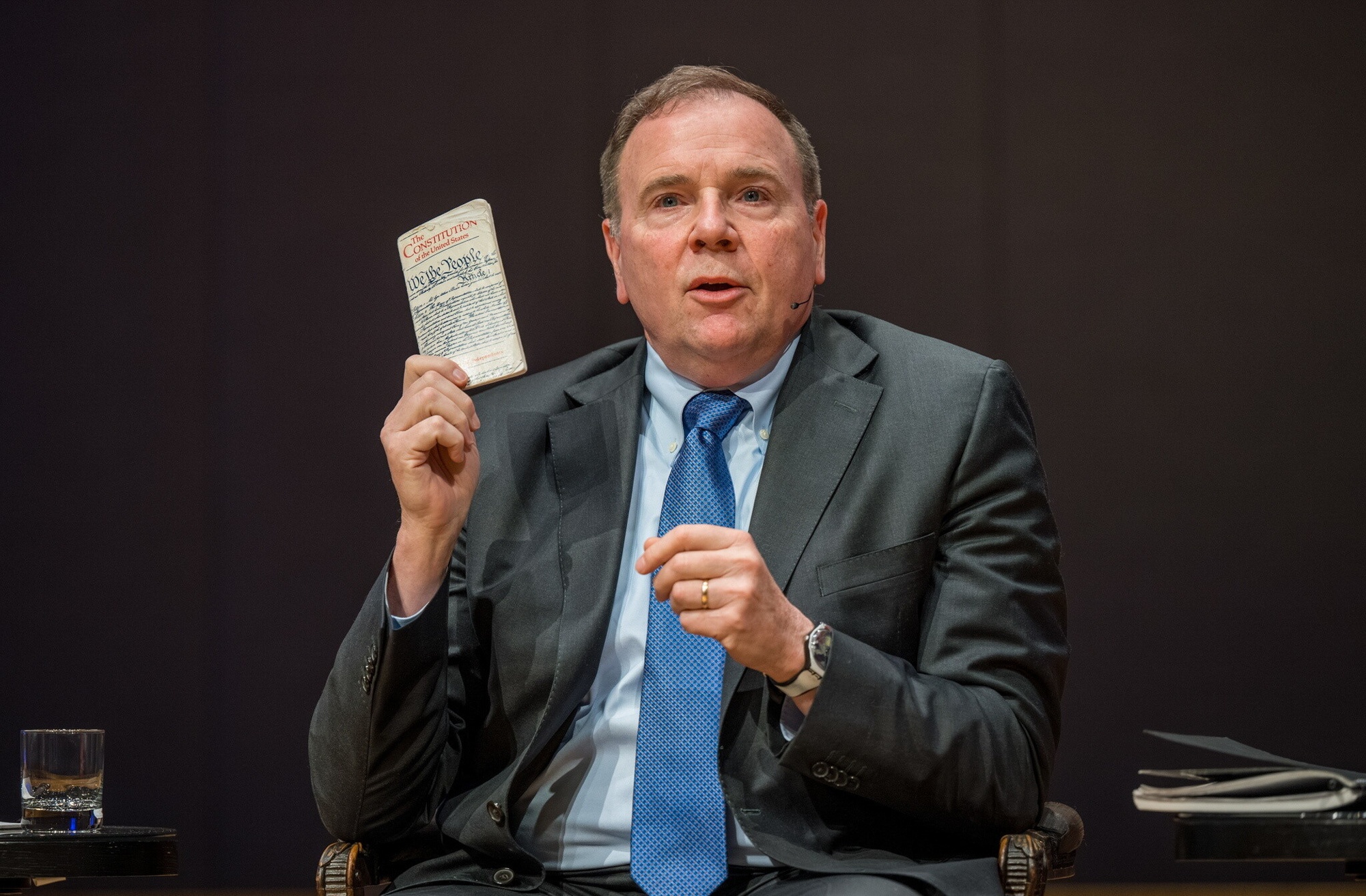
At the "Ukrainian lunch" Hodges, in a comment to LIGA.net, openly assessed Senator Marco Rubio's speech and linked it to broader criticism of current U.S. policy toward Ukraine.
"An inadequate speech by Rubio. I heard nothing in that highly eloquent address. It reflects the same failed policy of the administration that puts pressure on Ukraine, not on Russia. Do I feel relieved? No"
— Ben Hodges, former commander of the U.S. Army in Europe (2014–2018), comment to LIGA.net
What Rubio said
Senator Marco Rubio in his speech emphasized the historical and civilizational link between America and Europe, called for broad cooperation, and outlined the ideological foundations of his political position, including on migration issues. His address focused more on overall strategy and values than on concrete instruments of pressure on Moscow.
Context and consequences
Hodges has long been known as a security specialist and a critic of some peace initiatives that, in his view, risk becoming an unfavorable capitulation to the Russian Federation. His assessment is not an isolated emotional outburst; it is supported by analysts who point to signals in political speeches that may presage a shift in priorities in the partnership with Ukraine.
The practical conclusion for Kyiv is clear: words influence the tone of the dialogue, but without concrete decisions — logistical, financial, or military — the risk that rhetoric will remain declarative increases. Therefore it is important to turn discussions into signed agreements and deliveries that strengthen defense capability, not just define the narrative.
What's next?
Experts emphasize: from now on, not only speeches at conferences matter, but the steps that follow them. Whether the messages from Munich will turn into concrete commitments by partners is the key question for Ukraine's security in the coming months.



