Epstein and Kremlin Contacts: Declassified CNN Letters and Their Geopolitical Significance
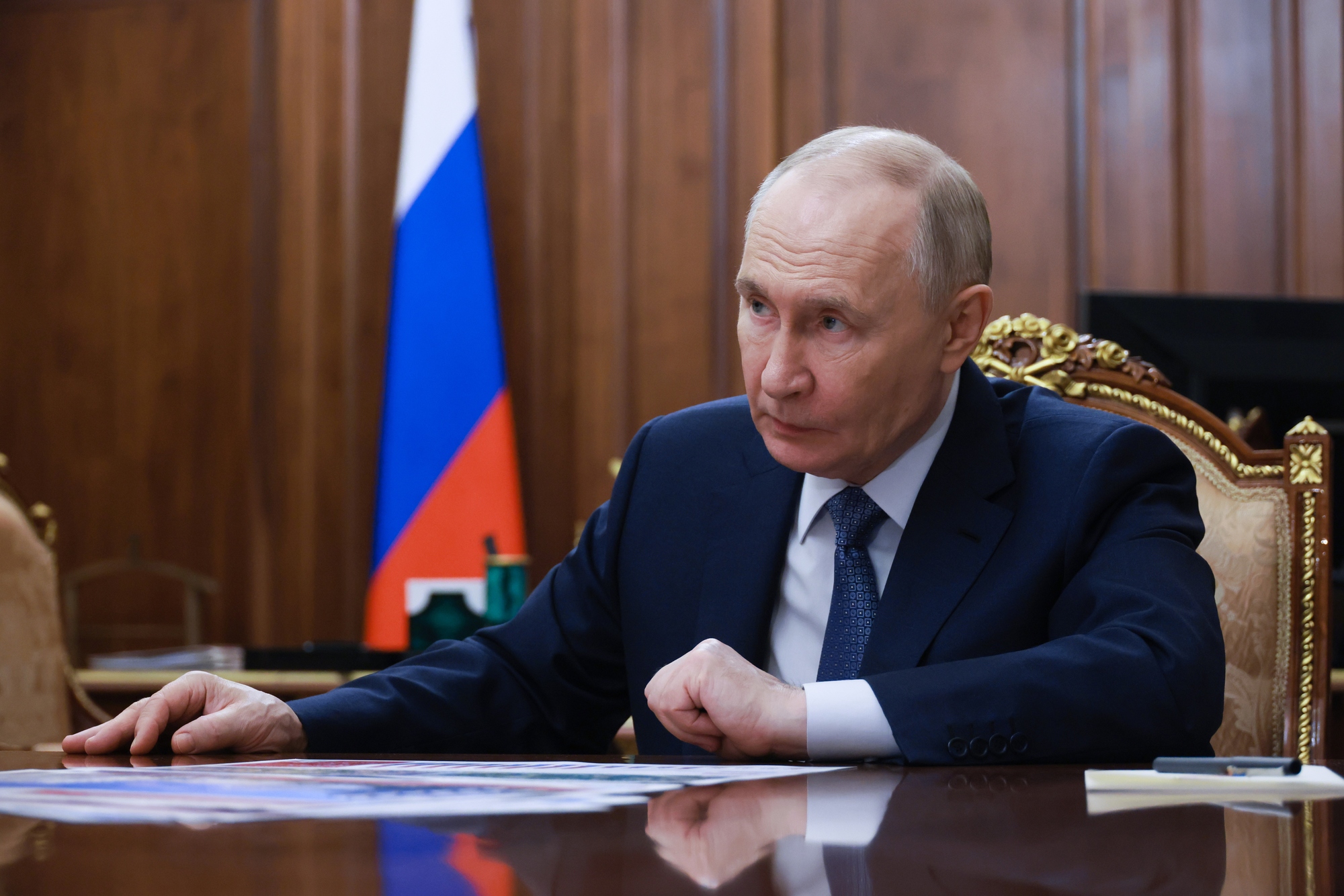
Declassified files released by the U.S. Department of Justice and analyzed by CNN show that Jeffrey Epstein sought to forge ties with high‑ranking Russian officials, even through intermediaries who might have opened a path to Putin. Why this is worth reading — brief and to the point.

By Tetiana Suchkova-Ladik
February 9, 2026 · 3 min read
In brief
Declassified documents and correspondence released by the U.S. Department of Justice (January 30, 2026) and reported by CNN contain a number of attempts by Jeffrey Epstein to cultivate ties with Russian officials — from Russia's Permanent Representative to the UN Vitaly Churkin to messages intended for leaders of the Kremlin’s foreign-policy apparatus. The materials do not provide conclusive evidence of personal meetings with Vladimir Putin; instead they show an effort to position himself as a "bridge" for international investment and influence (CNN; U.S. Department of Justice, January 30, 2026).
What was released
According to the reporting, Epstein regularly corresponded with and tried to exchange contacts with a number of figures connected to Russia. Among the episodes mentioned are contacts with Vitaly Churkin in New York, offers to help his son find employment, appeals to then-Secretary General of the Council of Europe Thorbjørn Jagland asking him to pass a message to Lavrov, and letters concerning Putin and possible invitations to conferences in St. Petersburg (CNN).
"Churkin was great. He understood Trump after [our] conversations. It's simple. You need to show that he understands something, and that's it."
— Jeffrey Epstein, email (2013)
The documents also point to Epstein's contacts with people reported to have ties to Russian intelligence services: the correspondence mentions Sergey Belyakov, whom TASS linked to the FSB Academy and later to the Russian Direct Investment Fund (RDIF). There are also letters involving influential Western businessmen and tech figures (for example, mentions of Peter Thiel and invitations to Reid Hoffman) — underscoring Epstein's attempts to bolster his foreign-policy and investment profile (CNN; TASS).
Analysis: what this means
First, the documents demonstrate a pattern of behavior: using personal networks and offers of "usefulness" as a way to gain access to elites. CNN analysts caution that the materials point more to attempts and ambitions than to proven meetings with the Kremlin’s top leadership.
"The documents do not prove that meetings with Putin took place, but they show a systematic effort by Epstein to position himself as a geopolitical intermediary."
— CNN analysts
Second, the linkage of contacts to people with reported ties to intelligence services (according to media reports) makes these letters important for understanding how points of interaction between private actors and state structures can form. This matters not only as interest in a "scandalous" figure — it's about the mechanics of influence.
Why this matters for Ukraine
For our country, the key issue is not sensationalism but security and transparency. Scenarios in which private financiers or businessmen position themselves as an "entry point" into political circles can be used to advance investment schemes, influence policy, or create reputational risks. Ukraine needs to measure and reduce such risks by strengthening transparency in cooperation with international partners and conducting thorough vetting of counterparties.
Consequences and next steps
The publication of the files has already produced political fallout in Europe: on February 2 there were reports of Lord Mandelson's departure from the Labour Party after his mentions in the documents, and Donald Tusk announced the creation of a special group to investigate potential Polish ties to Epstein. The Norwegian prosecutor's office has also opened inquiries regarding Thorbjørn Jagland (CNN; reports in European media).
Analytical conclusion: the declassified materials are more than a criminal chronicle. They create additional evidentiary space for investigations and force Western institutions to reassess who, and on what basis, gains access to political and business networks. For Ukraine, this is a reminder of the need for a systemic approach to securing financial and diplomatic channels.
The question that remains open: are our institutions and partners sufficiently protected from such non-trivial channels of influence? The answer will require not emotions, but systematic work and international coordination.



