Estonia warns: if invaded, we will take the war into Russian territory — what this means for Baltic security
Estonia's foreign minister, Margus Tsahkna, said in an interview with DW that Tallinn is prepared not only to defend itself but also to push combat operations onto Russian territory. We examine why this is an element of a deterrence strategy and what impact it has on Ukraine and NATO.

By Tetiana Suchkova-Ladik
February 16, 2026 · 2 min read
What Tsahkna said
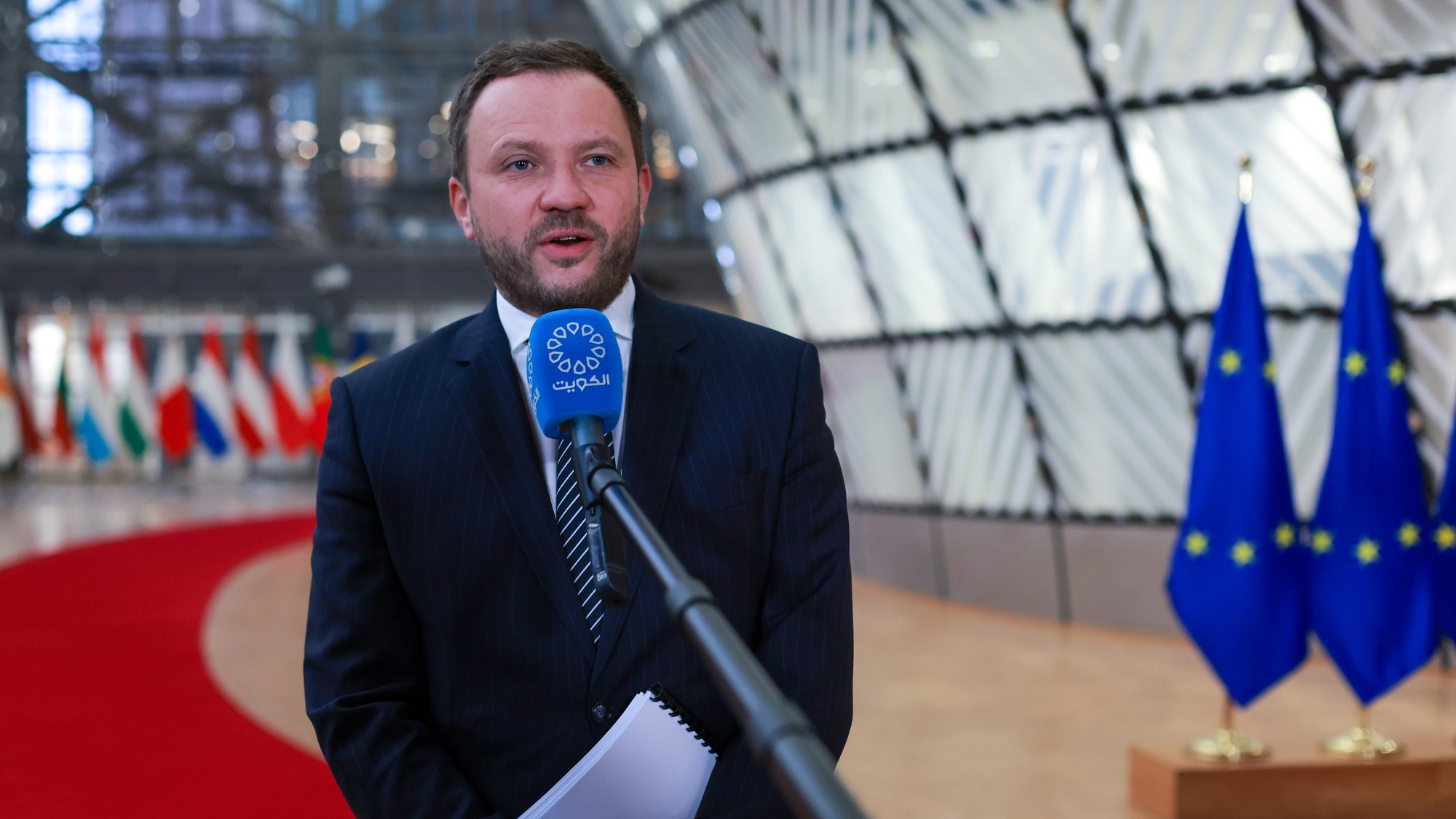
In an interview with DW, Estonia’s foreign minister Margus Tsahkna said the country "knows exactly what to do" in the event of a Russian attack and has plans not only for defense but also for taking the fighting onto Russian territory. According to him, the level of deterrence in Estonia is "truly high."
"We know exactly what to do. We are prepared for a possible Russian invasion, and the level of deterrence is truly high... If Russia invades our territory and we resist, we will take the war onto Russian territory."
— Margus Tsahkna, Estonia’s foreign minister (interview with DW)
Why it matters
This is not just loud rhetoric — it is part of a deterrence policy. For small border states like Estonia, the ability to deliver a retaliatory blow raises the cost of aggression for the adversary and makes the geographic factor less clear-cut. For Ukraine, this stance matters: allies' solidarity and the readiness to act comprehensively strengthen the overall security front.
Context and concrete steps
The statement comes against the backdrop of several practical moves by Tallinn: at the end of December 2025, the head of Estonia’s external intelligence expressed the view that Russia currently has no intentions of attacking the Baltic countries, but at the same time Estonia is building up its defensive capabilities. On 29 January 2026, reports appeared about Estonia’s initiative to ban entry into the Schengen area for Russian servicemen who took part in the war against Ukraine; earlier the country had imposed a ban on 261 Russian military personnel involved in combat operations.
What it means for NATO and Ukraine
The statement underscores two key points: first, that deterrence in the region is built not only through troop presence but also through readiness for asymmetric and offensive measures; second, that the effectiveness of this strategy depends on Europe’s political will and coordination within NATO. Analysts in the EU and the North Atlantic Alliance note that demonstrating a readiness for a decisive response raises the risks of escalation, but also increases the cost of aggression for the adversary.
Conclusion
Tsahkna’s statement is a signal: for the Baltics, defense has long since ceased to be limited to purely passive measures. For Ukraine, it is a reminder of the importance of partner unity and the need to translate deterrence declarations into practical plans. The next step depends on whether European political support is transformed into concrete decisions — operational, logistical and legislative.



