Fedorov at the Ministry of Defense: technological transformation in response to large-scale strikes
Zelensky proposed that Mykhailo Fedorov head the Ministry of Defense; rapid technological changes were discussed aimed at saving soldiers' lives and bolstering the drone component on the front lines.

By Tetiana Suchkova-Ladik
January 5, 2026 · 2 min read
Systematic work for effectiveness at the front
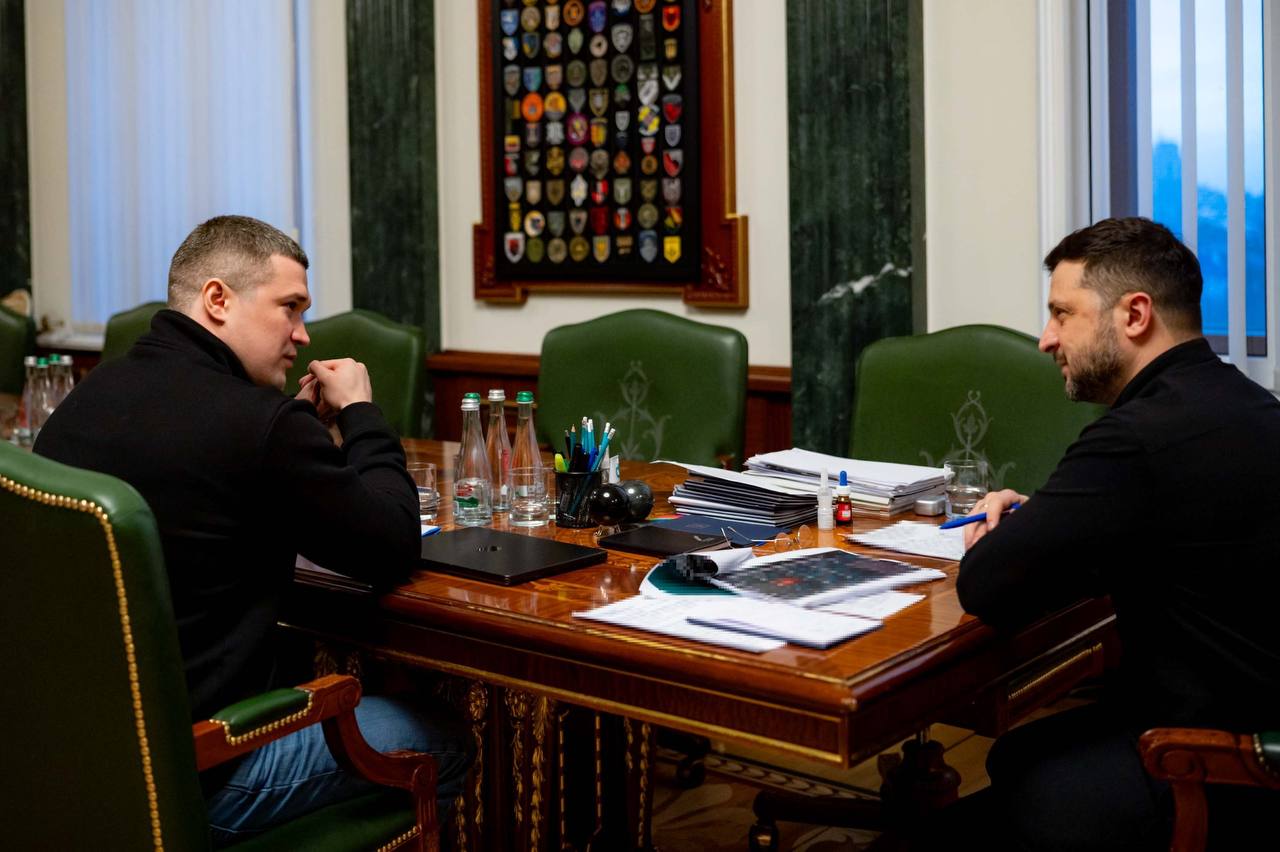
Systematic work that is not always visible in the news but is felt at the front: the president held a meeting with Minister of Digital Transformation Mykhailo Fedorov, who on January 2, 2026 was offered the chance to head the Ministry of Defense. Following the conversation, Zelensky announced forthcoming draft decisions that Fedorov will present within the week.
What exactly was discussed
The main principle — the technological nature of defense must preserve the lives of defenders. This concerns the rapid scaling of drones, the development of modern communications, and support for domestic weapons manufacturers. The president emphasized the role of the Ministry of Digital Transformation as a source of innovations for the military sector since the start of the full-scale invasion.
Main quote
"Russia in this war has one significant advantage, namely the ability to press Ukraine with the scale of strikes, the scale of assaults. We must and have to respond with more active use of technologies, faster development of new types of weapons, and new tactics"
— Volodymyr Zelensky, President of Ukraine
What is already working — facts
According to the president, technological solutions are already delivering results: in November about 30 000 recorded strikes were confirmed, in December — 35 000. This indicates an increase in the supply and use of drones and the integration of digital surveillance and coordination systems.
"It is obvious that technologies are working effectively. The supply of drones to the forces is clearly increasing. We are preparing our new special formats to strengthen the drone component of our defense"
— Volodymyr Zelensky, President of Ukraine
Why this matters
The decision to move a technological manager into a security ministry is not a PR move, but a rational attempt to respond to a systemic threat: when the adversary presses with mass strikes, defense effectiveness increases through rapid innovation, better coordination, and local production. Experts note that technological transformation is one of the main ways to reduce operational losses and increase the resilience of the front.
What could be the key to success — and an obstacle
The success of the initiative will depend on three components: parliamentary support, procurement and logistics reform, and stable funding. Zelensky is counting on a vote in the Rada; meanwhile a reshuffle within the government is being discussed: the current head of the Ministry of Defense is being considered for the post of Deputy Prime Minister — Minister of Energy. This changes the internal dynamics of decision-making and requires rapid coordination.
Short conclusion
Now the key question is whether the statements will turn into concrete decisions and resources. If so, technological modernization could become a tangible response to the adversary's advantage in the scale of strikes and genuinely reduce risks for our defenders. If not, the initiative risks remaining a declaration.



