Finland Boycotts 2026 Paralympics Opening Ceremony — Signal of Solidarity With Ukraine and a Challenge to the IPC
The Finnish Paralympic Committee has refused to take part in the Games' opening ceremony in protest at the admission of Russian and Belarusian athletes under national symbols — a tactic that increases diplomatic pressure and calls into question the legitimacy of the IPC's decision.

By Tetiana Suchkova-Ladik
February 24, 2026 · 2 min read
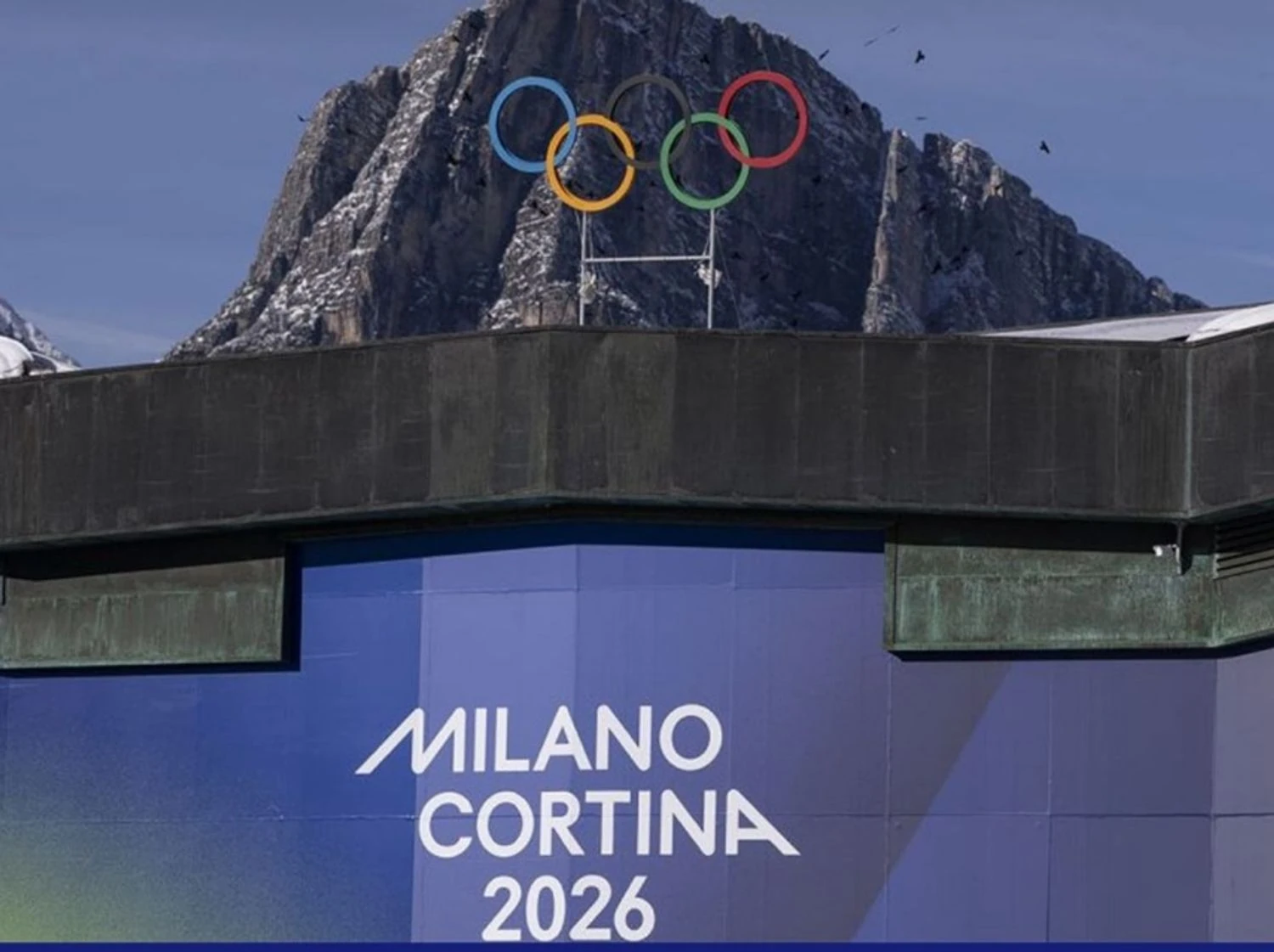
Finnish Paralympic Committee announced that it will not take part in the opening ceremonies of the 2026 Paralympics in Italy (competitions begin — 6 March 2026). According to UNN, this is a demonstrative step against the International Paralympic Committee’s decision to allow athletes from Russia and Belarus to compete under their national symbols and a response to Ukraine’s calls to prevent the legitimization of the aggressor in international sport.
“The boycott is a minimal gesture of solidarity with Ukraine and responds to its call”
— Sari Rautio, head of the Finnish Paralympic Committee
What exactly was decided in Helsinki
The Finns will maintain their athletes’ participation in the competitions themselves, but will ignore official ceremonies and joint celebratory events. This format allows them to combine sporting presence with a political message: do not accept the legitimization of the national teams of the aggressor states in the public space of the ceremonies.
Context: IPC decision and international coordination
The International Paralympic Committee’s decision to allow athletes from Russia and Belarus to compete under their symbols became a catalyst for several national Paralympic committees. Other delegations, including the Czech Republic, have joined Finland and also announced a boycott of the ceremonies. The coordination of such steps is intended to draw the world’s attention to the war in Ukraine and to increase pressure on the organization in order to prevent further legitimization of the aggressor.
“The decision cannot be overturned”
— International Paralympic Committee (IPC)
Why this matters for Ukraine and for sport in general
A boycott of ceremonies is not just a symbol. It functions as a mechanism of delegitimization: each absent delegation reduces the public visibility of the national symbols of the aggressor countries, increases moral and political pressure on the IPC, and creates a precedent for sponsors, the media and the public. Experts note that consistent international coordination can be more effective than lone statements.
Summary. The Finnish boycott is a tactical gesture with a pragmatic goal: not to disrupt competitions for athletes, but to reduce the chances of a full rehabilitation of the aggressor states in international sport. Whether this will change the IPC’s position depends on how broad and consistent the coalition of national committees and partners willing to bear the political cost of such a decision turns out to be.



