Finland: Moscow Feels Pressure, but There's a Gap Between "Interest in Peace" and Willingness to Make Concessions
Finland's Foreign Minister Elina Valtonen notes a shift in Russia's behavior under sanctions and military pressure — but warns that declaring interest in negotiations and making real concessions are two different things.

By Tetiana Suchkova-Ladik
May 12, 2026 · 2 min read
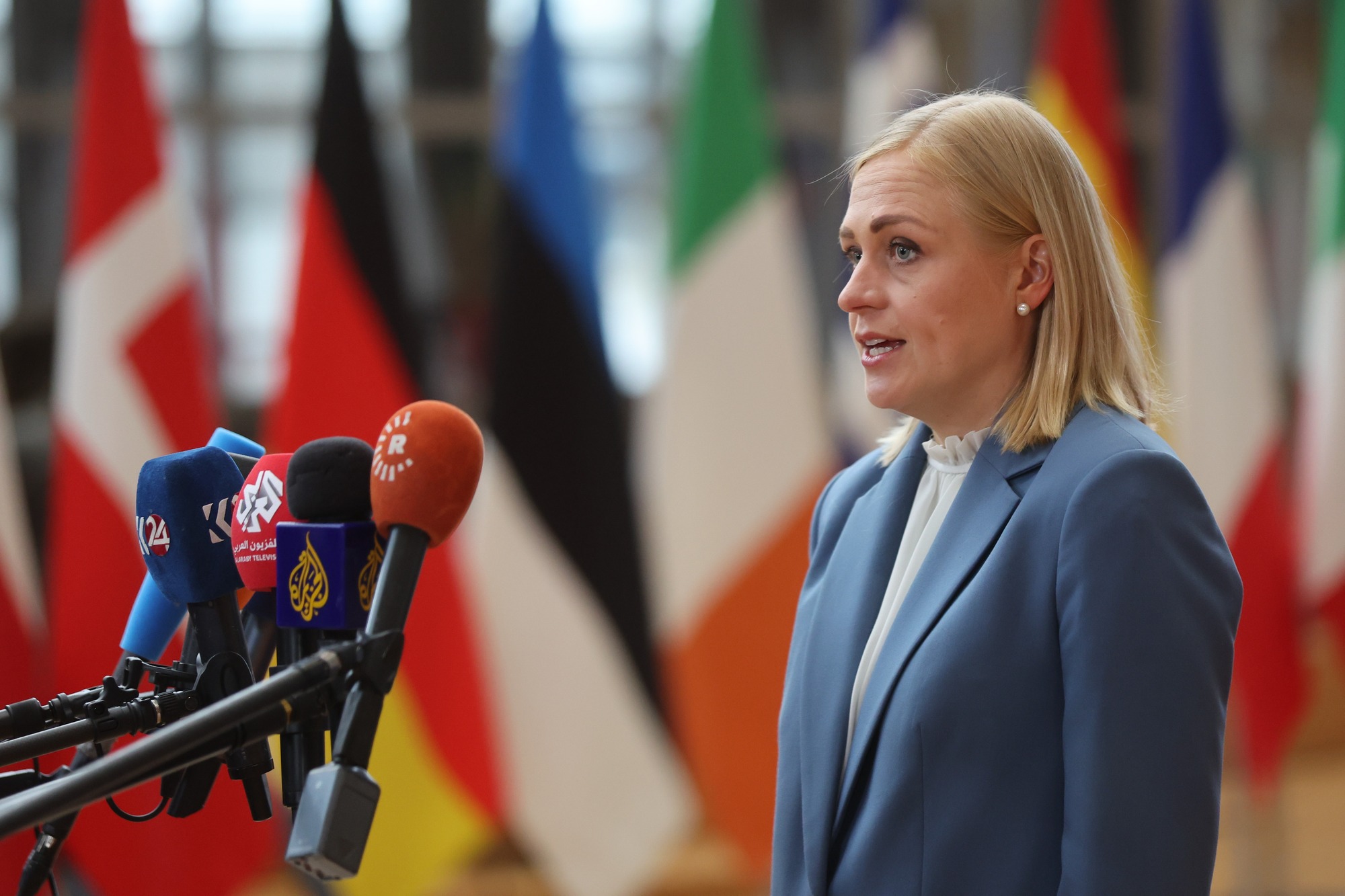
Finland's Foreign Minister Eline Valtonen has for the first time publicly acknowledged that Russia is beginning to demonstrate "genuine interest" in peace negotiations — but immediately explained what this phrase means in practice.
"It is now clearly felt that Russia is beginning to face greater pressure, because the economic situation is weak, and the political position is no longer as strong as it was a few months ago"
Eline Valtonen, Foreign Minister of Finland, Yle
According to her, she has the impression that time is running out faster for Russia than for Ukraine. However, there are no signs yet that Moscow is genuinely conducting negotiations: according to Valtonen's assessment, Russia is simply buying time.
What's behind the shift in rhetoric
This statement represents a notable shift compared to Helsinki's position just a few months ago. In November 2025, Valtonen was clearly more skeptical: she then emphasized that Russia's demands are not decreasing, but becoming more rigid, and that Moscow has not agreed to any ceasefire, although Ukraine has been ready for one since March.
EU High Representative Kaja Kallas, who met with Valtonen in Helsinki in early February, puts it even more sharply: according to her, Russia is "merely pretending to conduct negotiations" — they don't even send people with decision-making authority to them.
In parallel, Valtonen in her policy speech to Finland's ambassadors in 2025 warned that no ceasefire is an automatic basis for lifting sanctions. The EU is currently preparing its 19th sanctions package, and pressure on Russia, according to her, must continue regardless of whether the war ends.
What the economy says
Finland's assessment does not contradict the analytics. Russia is currently spending approximately 40% of its budget on aggression, according to NATO Secretary General Mark Rutte's assessment. The initial stimulus from militarized spending is exhausted — instead, the Kremlin has increased corporate taxes, income tax, and VAT, effectively shifting the burden of war onto society. Meanwhile, American economic researchers warn: even with Russia's deteriorating economic situation, this is still not enough for Putin to agree to an unfavorable peace — significantly deeper and longer-lasting pressure is needed for that.
The difference between signal and substance
The key problem is the lack of verification mechanism. Valtonen speaks of an impression of changed behavior, rather than a change in negotiating position. Russia still has not abandoned its demand for control over the entire Donetsk region as a condition for beginning dialogue — which remains unacceptable to Kyiv. Direct trilateral negotiations held in February yielded no results.
Valtonen also emphasized the symmetry that is lacking in current proposals: if a "peace plan" provides for AFU limitations, then similar limitations must apply to the army of the aggressor state — otherwise it is not peace, but capitulation under another name.
If the economic pressure on Russia is indeed increasing — are the US and EU prepared to hold back and not lift sanctions prematurely in exchange for declarative "desire for peace" without any verified concessions?



