Von der Leyen under fire: how this threatens EU unity amid the Iran crisis
Politico reports on growing irritation in EU corridors over moves by the head of the European Commission. Why this matters for Ukraine — we unpack it without panic, focusing on the consequences for European foreign policy and support for Kyiv.

By Tetiana Suchkova-Ladik
March 9, 2026 · 3 min read
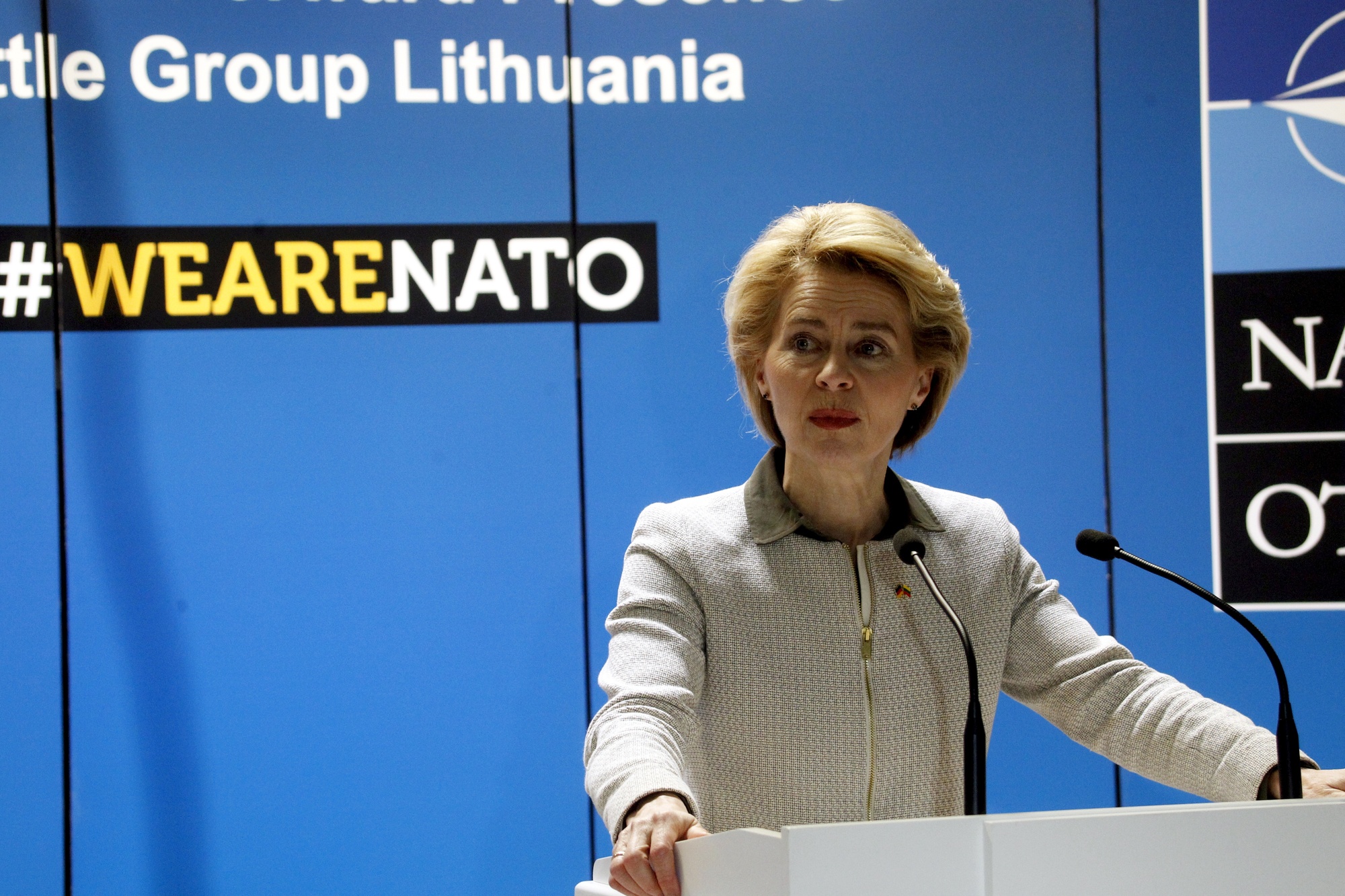
In high diplomacy, quiet agreements matter more than loud statements
According to Politico, several European governments and lawmakers have expressed irritation that European Commission President Ursula von der Leyen apparently exceeded her powers in the early days of the crisis surrounding Iran. The outlet cites nine unnamed diplomats, officials and legislators who see in her actions a risk of confusion over the bloc's unified position.
What she is accused of and why it matters
Critics say von der Leyen publicly voiced positions that should have been coordinated through the EU's foreign policy institution — the role charged with coordinating 27 capitals and shaping joint statements. According to sources, she held at least 10 phone calls with regional leaders and even spoke about regime change in Tehran — a formulation that, according to some European representatives, goes beyond the consensus.
This is important not as a personal dispute but as an institutional issue. Differences within EU leadership weaken its external message — and during a crisis this means a higher risk of splits over sanctions, military-technical support and diplomatic coordination. For Ukraine, the EU's consistency has a direct practical dimension: from political backing to the delivery of arms and finances.
What sources say about it
"I thought I was hallucinating. I saw von der Leyen calling the heads of the Gulf states. She has no diplomatic service, she acts without a mandate or intelligence briefings. Her words have no value other than her personal statement"
— Nathalie Loiseau, Member of the European Parliament, member of the Committee on Foreign Affairs
At the same time, the European Commission rejects the accusations: a spokesperson stressed that the president exercises "political leadership in the Commission's external policy" in accordance with EU treaties and that contacts with leaders around the world are part of her duties.
"Engagement with other leaders across the world is an integral part of President von der Leyen's duties... this also applies to EU initiatives such as Global Gateway"
— European Commission spokesperson
Context: the crisis in the region and practical consequences
As the conflict in the Middle East enters its second week, the bloc is trying to speak with one voice. Possible consequences have already been noted by LIGA.net and other analysts: if communication between institutions is perceived as disjointed, external partners will receive conflicting signals. This is not just diplomacy on air — access to bases, coordination of security actions and sanctions regimes are at stake.
An additional detail: on 2 March 2026 US aircraft left Spain after the Madrid government decided to ban the use of bases for strikes on Iran, and the next day the US president announced the cessation of trade with Spain. This escalation shows how quickly one country's foreign policy decisions can trigger a chain of practical consequences for the entire alliance.
Possible scenarios for the EU and what it means for Ukraine
Analysts and diplomats name several options: from a rapid diplomatic calming and a clear division of roles between institutions to a longer phase of public disagreements that would weaken the EU's bargaining power. For Ukraine, it is better if the EU swiftly restores unity: this guarantees consistent political and material support amid multifaceted challenges.
The key question for Brussels now is whether the institutions can turn sharp statements into a coordinated, agreed policy — and whether that will be enough to prevent the crisis from harming Europe’s strategic interests and those of its partners, including Ukraine?



