Kolos footballer placed under night-time house arrest after assault on a serviceman — what it means for the accountability of public figures
The court ordered nighttime house arrest for Danylo Kolesnyk after an incident involving a Territorial Recruitment Center representative, the video of which the athlete published. We analyze the facts, reactions, and consequences for the law and public trust in public figures.

By Tetiana Suchkova-Ladik
February 19, 2026 · 2 min read
Briefly about the incident
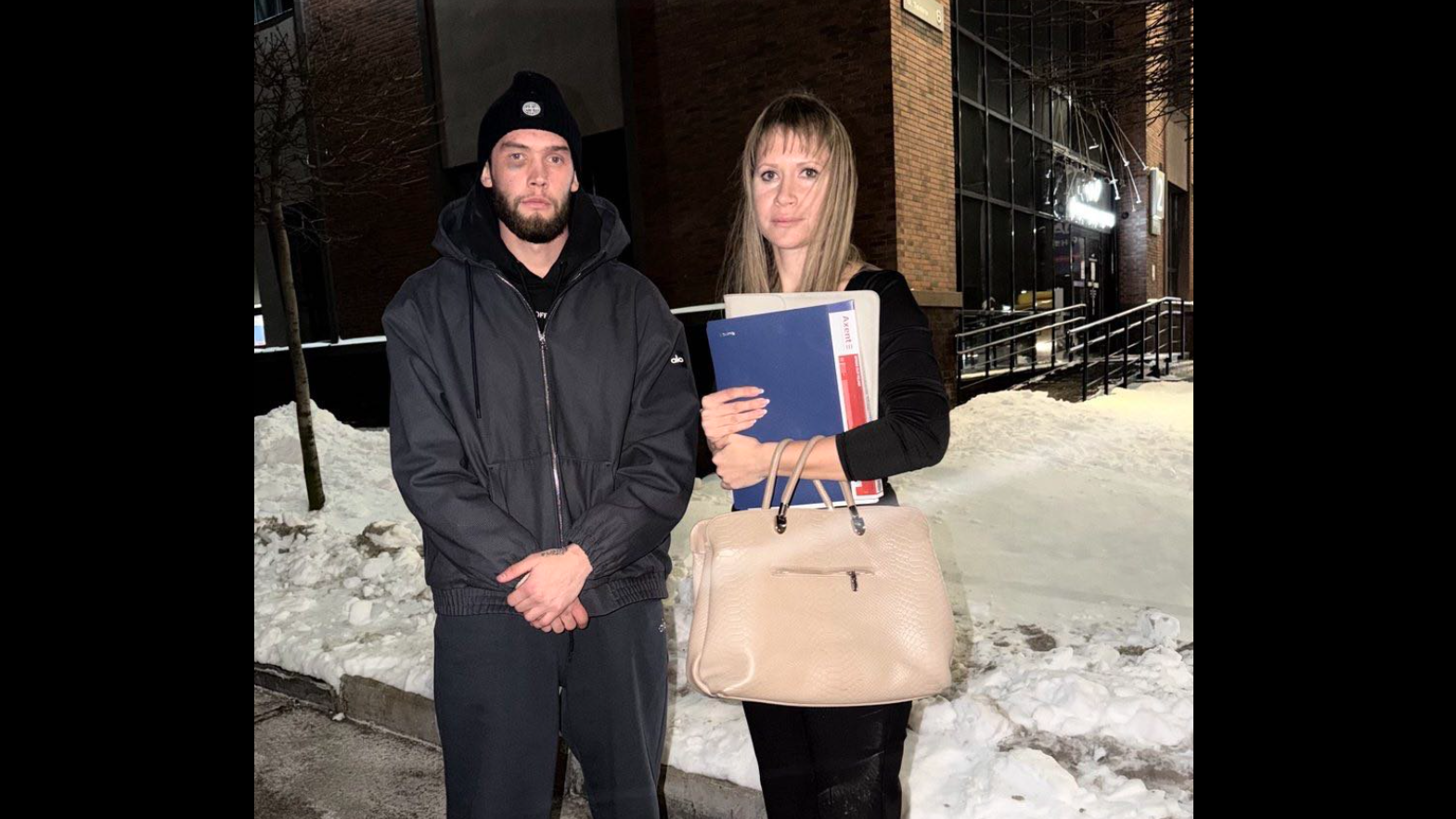
On 17 February the Kyiv Regional Territorial Center for Recruitment and Social Support reported that 24‑year‑old Kolos footballer Danylo Kolesnyk attacked a serviceman. The athlete posted a video of the incident on social media. On the same day the football club announced his dismissal.
Court reaction and legal status
On 18 February the court imposed a preventive measure on Kolesnyk — nighttime house arrest. Police detained the athlete and opened a pre‑trial investigation; he faces up to five years in prison under an article that provides for the intentional infliction of bodily injury (procedural details are being established).
"Our client respects the court’s decision and confirms his intention to act exclusively within the procedures prescribed by law… He objectively perceived the events that occurred as creating a real threat to his life and health, as well as to the safety of his acquaintance, and therefore acted in self‑defense"
— Barristers, the law firm representing the athlete
Kolesnyk, in turn, filed a statement alleging that he had been inflicted with bodily injuries. Official statements from the Territorial Center for Recruitment and Social Support and the police are the main sources of information on the course of the investigation.
Why this matters
This case combines several socially significant issues: respect for people connected to the defense and mobilization system, the responsibility of public figures for their actions in the public sphere, and the role of social media in escalating conflicts. When an incident is recorded on video and instantly becomes public online, public and law‑enforcement responses happen faster — but that does not remove the need for a thorough investigation and respect for procedural guarantees.
What next
Now one should expect the results of the pre‑trial investigation: collection of evidence, witness interviews and, if necessary, court hearings. These will determine both the athlete’s criminal liability and possible disciplinary or reputational consequences for the club.
The court’s decision on nighttime house arrest is a signal that the state is trying to balance rapid response with adherence to procedural standards. The question that remains open is how exacting Ukrainian society will be toward its public representatives when it comes to respect for those associated with the country’s defense.
Sources
Announcements from the Kyiv Regional Territorial Center for Recruitment and Social Support, statements from the Kolos football club, a press release from the Barristers law firm, and official police data on the start of the pre‑trial investigation.



