French foreign minister: peace is possible if Putin renounces the idea of "reviving the empire"
French Foreign Minister Jean‑Noël Barrot said that peace in Ukraine is possible if Putin abandons the idea of restoring an empire. According to him, Russia’s minor advances on the front cost it more than 1,000 soldiers every day.

By Tetiana Suchkova-Ladik
November 30, 2025 · 1 min read
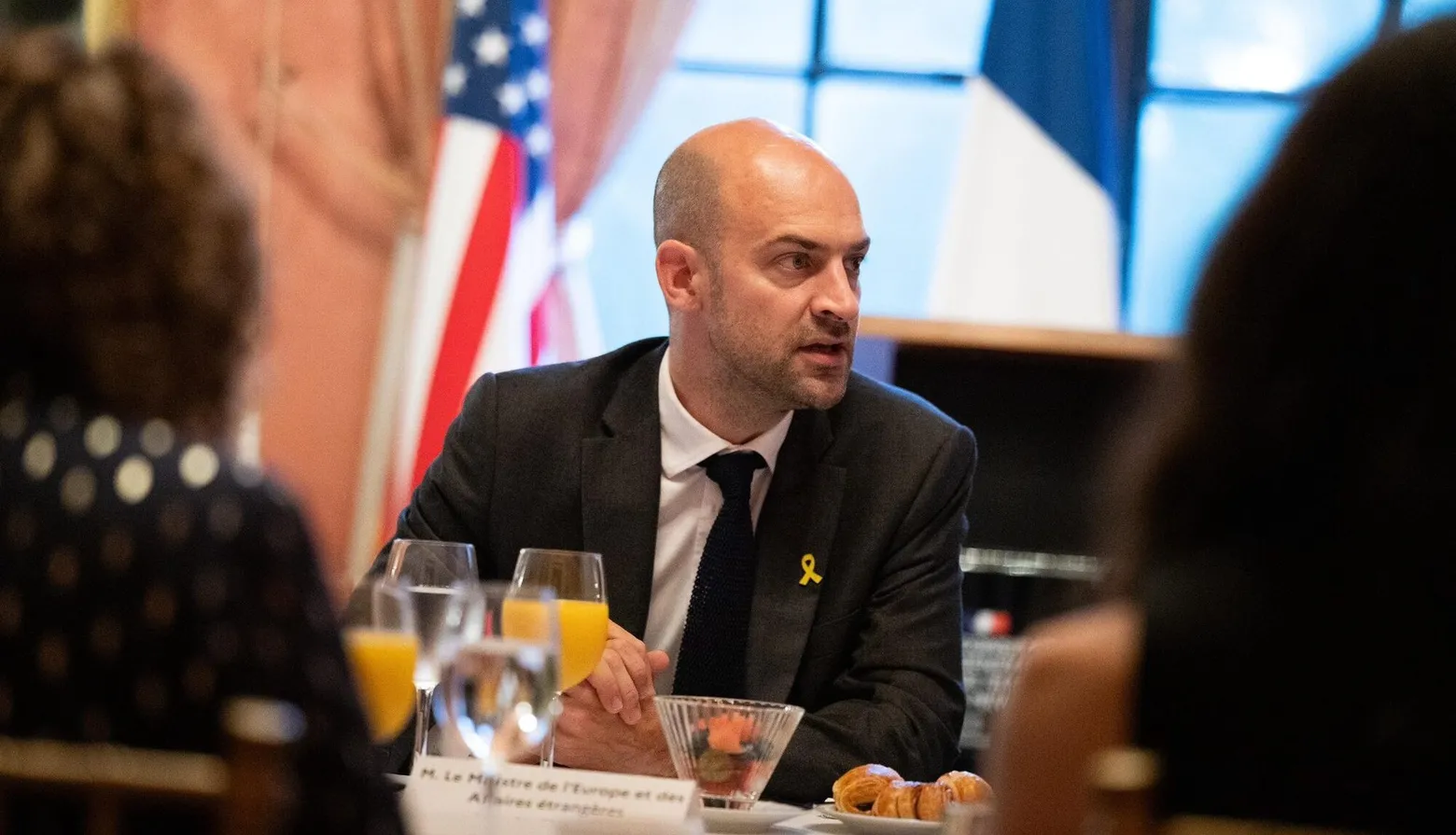
Peace in Ukraine is possible provided that Russia's dictator Vladimir Putin renounces the idea of reviving an "empire." This statement was made by French Foreign Minister Jean-Noël Barrot in an interview with La Tribune Dimanche.
"We are pleased to welcome President Zelensky to Paris on Monday, December 1, to advance the negotiations. Peace is achievable, provided that Vladimir Putin abandons his vain hope of restoring the Soviet empire, beginning with the subjugation of Ukraine. Ukraine belongs to Ukrainians and to them alone."
– he said.
Sanctions for refusing peace
Barrot stressed that if Russia does not agree to the peace plan and to halt the full-scale war, it will have to prepare for new sanctions from the European Union.
The French foreign minister believes the Russian dictator has reasons to take seriously the peace document that Ukraine and its allies refined at the Geneva talks. According to Barrot, Russia has no successes on the front, despite Russian propaganda claims.
"The millimetre-by-millimetre advance of the Russian army in eastern Ukraine comes at the cost of colossal human losses: more than 1,000 Russian soldiers are killed on the front every day."
– said the French minister.
Context
President Zelensky announced Ukraine–U.S. peace talks for November 30 – the Ukrainian delegation departed for the United States on November 29.
Former commander-in-chief of the Armed Forces of Ukraine Valerii Zaluzhnyi revealed how Russia's war against Ukraine might end.



