Gas as the limit: Yerevan links withdrawal from the CSTO to Moscow's tariff decision
Speaker of the Armenian Parliament Alen Simonyan publicly named a specific condition for severing ties with two Russian entities — an increase in gas prices. He said Pashinyan's talks with Putin have for now removed that threat.

By Tetiana Suchkova-Ladik
April 4, 2026 · 2 min read
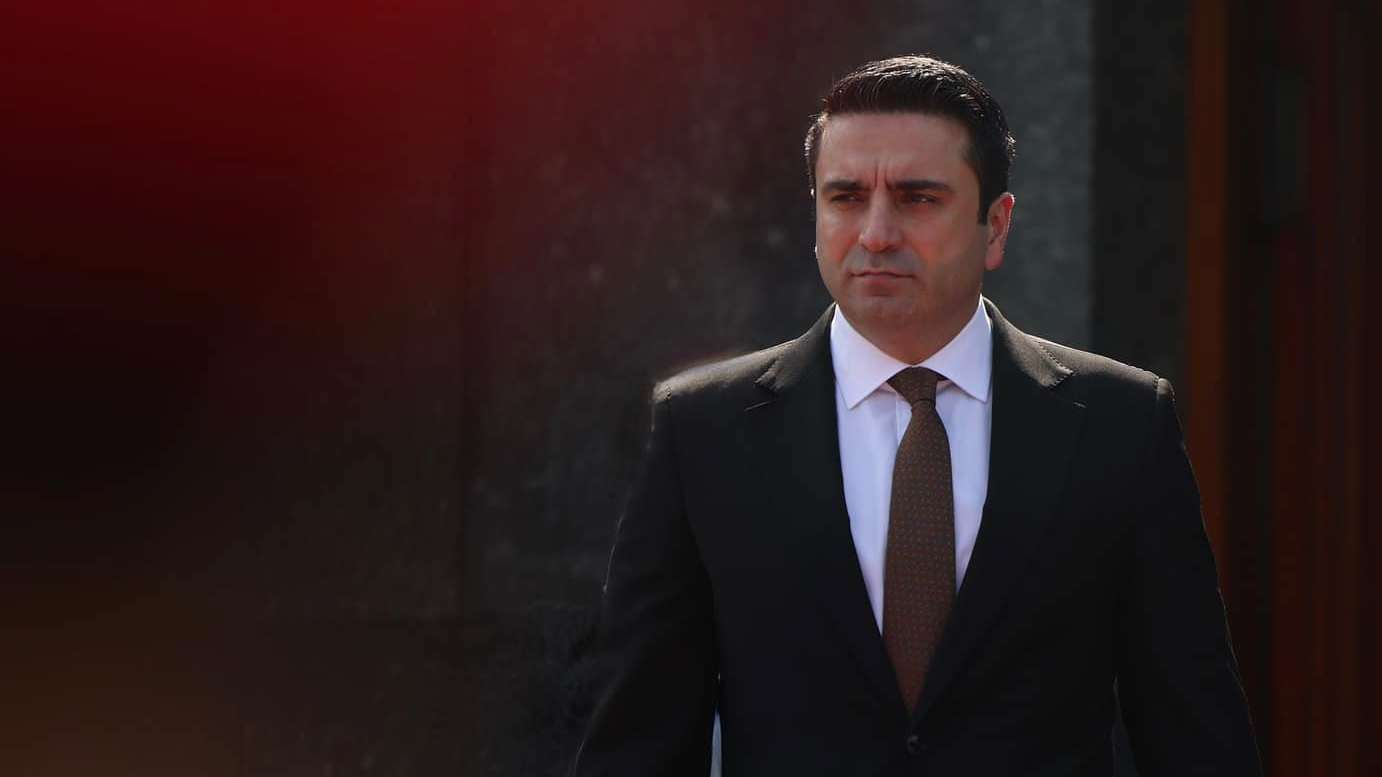
Armenia has kept its participation in the CSTO (Collective Security Treaty Organization) effectively frozen for almost two years — after the organization ignored the Karabakh escalation in 2022. But there has been no formal withdrawal yet. On April 4, Speaker of Parliament Alen Simonyan for the first time tied that step to a specific economic condition.
“If we see any actions related to raising tariffs — we will protect the interests of the Republic of Armenia”
Alen Simonyan, Speaker of the Armenian Parliament, April 4, 2025
It’s not only about the CSTO: Simonyan mentioned the Eurasian Economic Union (EAEU) alongside it. In other words, a single decision by Moscow on gas tariffs could simultaneously push Armenia out of both structures — the security and the economic one.
Where the threat of price increases comes from
Gas supplies to Armenia are carried out by “Gazprom Armenia” — a 100% subsidiary of Russia’s Gazprom. In the first half of 2025 the volume of deliveries exceeded 1.2 billion cubic meters. The route is the North Caucasus–Transcaucasia pipeline through Georgia: Yerevan has no alternative infrastructure.
Simonyan commented on rumors about possible ultimatums from Putin during the March meeting with Pashinyan. According to the speaker, the talks went “very well and effectively” and are meant to remove the price threat. Thus the statement is both a signal of deterrence and a public insurance policy in case the agreements fall apart.
Where Armenia stands now
- Since February 2024 participation in the CSTO has been officially frozen at all levels — Yerevan does not pay contributions to the organization’s budget.
- In March 2025 the President of Armenia signed a law initiating the process of joining the EU.
- On April 2 Pashinyan said he still considers returning to the CSTO unrealistic.
The picture looks like this: the formal exit is delayed not because of a lack of political will, but because of energy dependence. Gas is the only real lever Moscow still holds over Yerevan.
If Putin does raise the tariff — will Armenia have enough time to find alternative supplies before economic pressure forces the government to reconsider its course toward European integration?



