Heraskevych urges Rada to strip Bubka of the title Hero of Ukraine — a matter of unity and responsibility
From the podium of the Verkhovna Rada, skeleton racer Vladyslav Heraskevych tied his demand regarding Serhii Bubka to the issues of national unity and memory. Why this matters for public trust and what steps might follow — we examine it briefly and to the point.

By Tetiana Suchkova-Ladik
February 26, 2026 · 2 min read
What was announced in the Rada
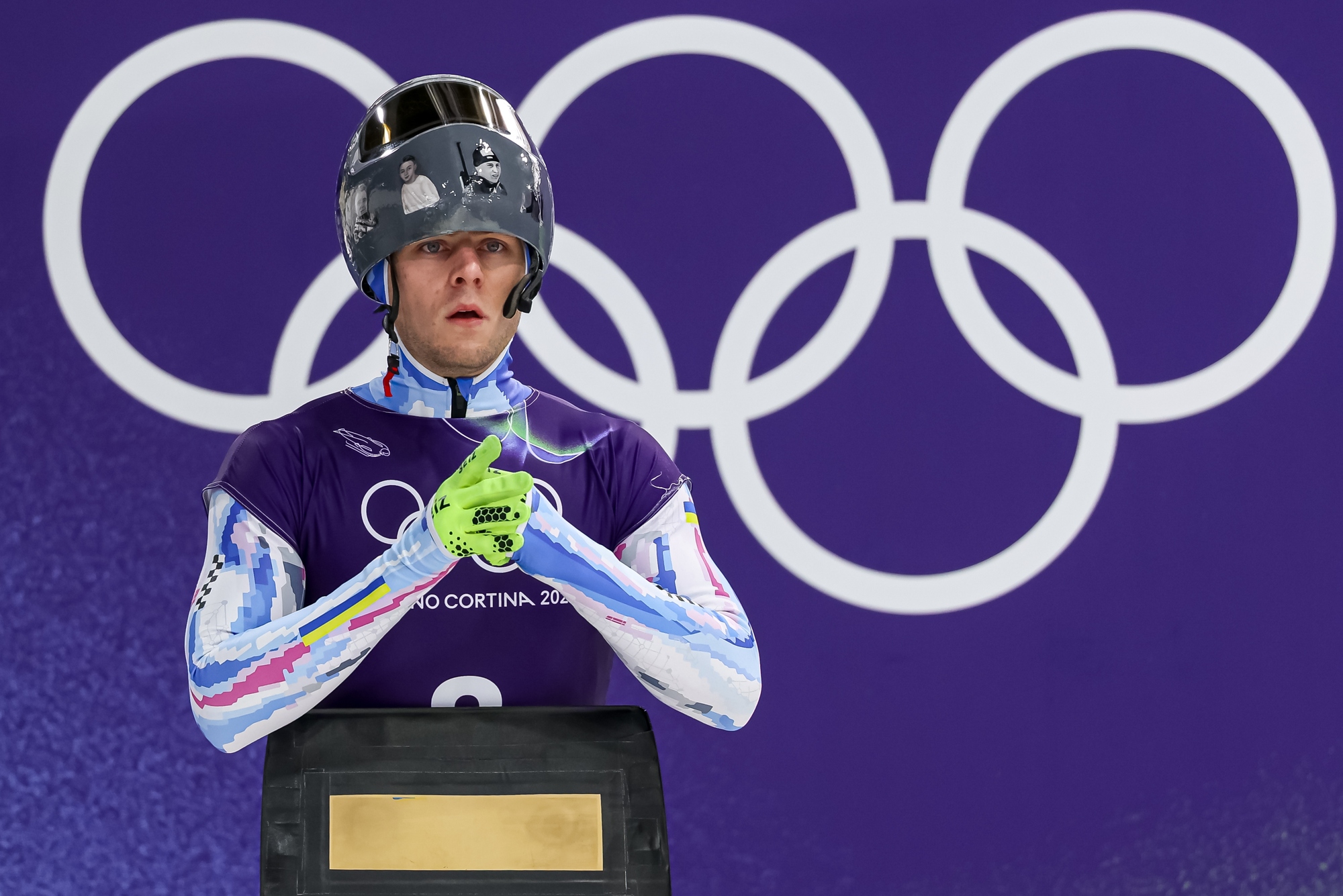
On February 26, from the podium of the Verkhovna Rada, athlete Vladyslav Heraskevych called to strip the former president of the National Olympic Committee and Olympic champion Serhiy Bubka of the title Hero of Ukraine. The plenary session was broadcast on the "Rada" channel.
Key arguments and context
Heraskevych spoke in parliament after the controversy around his "memory helmet," which he intended to use to honor fallen Ukrainian athletes. Earlier the IOC restricted the use of that helmet at competitions, and on February 12 the athlete was disqualified for intending to appear with that symbol. Ukrainian media widely covered the story; in particular, fact-checks and investigations about possible links between Bubka's family and the temporarily occupied territories were mentioned by Bihus.Info, while Bubka himself publicly denied cooperation with occupation authorities.
What exactly Heraskevych said
"The main and foremost thing is unity around Ukraine. I understand that there are representatives of many political parties here, but when the scandal happened, when the memory of our fallen Ukrainians, our children, our heroes was being suppressed, we were united"
— Vladyslav Heraskevych, athlete (skeleton racer)
"Now I'm talking about Mr. Bubka, who still holds the title Hero of Ukraine. And honestly, I'm ashamed that he has this title. He should not have it... he is playing into Russia's hands and trading with the occupiers"
— Vladyslav Heraskevych, athlete (skeleton racer)
Why this matters — context for the reader
This issue is not just about one person. It concerns standards of accountability for public figures and society's trust in national symbols. When the signal to society is that honor and awards carry consequences, it affects partners, investors and, more importantly, internal unity at critical moments.
Facts to remember
Serhiy Bubka is an outstanding athlete: the 1988 Olympic champion, longtime holder of world records, and former head of the National Olympic Committee. In 2023 Bihus.Info reported possible business ties of Bubka's family in the temporarily occupied territories of Donetsk region; Bubka himself denied this. Heraskevych's actions take place against a backdrop of public outrage and political resonance around the memory of the fallen.
What could happen next
Stripping the title is not an instantaneous act "from the podium." It is a matter for institutions and procedures: evidence is needed, review by competent bodies, and likely political debate. Analysts and lawyers note that such initiatives should aim not at emotional punishment but at establishing transparent criteria of accountability for individuals with public status.
Conclusion
Heraskevych's initiative highlights two things: first, how sensitively Ukrainian society reacts to symbols of remembrance during the war; and second, that demands for elite accountability are rising. The next steps lie with institutions: whether the statements will turn into concrete legal actions, and how that will affect social cohesion and the country's international reputation.



