Heraskevych in the Rada called for Bubka to be stripped of the title "Hero of Ukraine" — what it means for the reputation of sport and the state
Skeleton racer Vladyslav Heraskevych took the podium in the Verkhovna Rada and publicly accused Serhiy Bubka of playing into Russia's hands. He called for revoking Bubka's Hero of Ukraine title and imposing sanctions — we explain why this matters now and what consequences it could have.

By Tetiana Suchkova-Ladik
February 26, 2026 · 2 min read
Briefly and why it matters
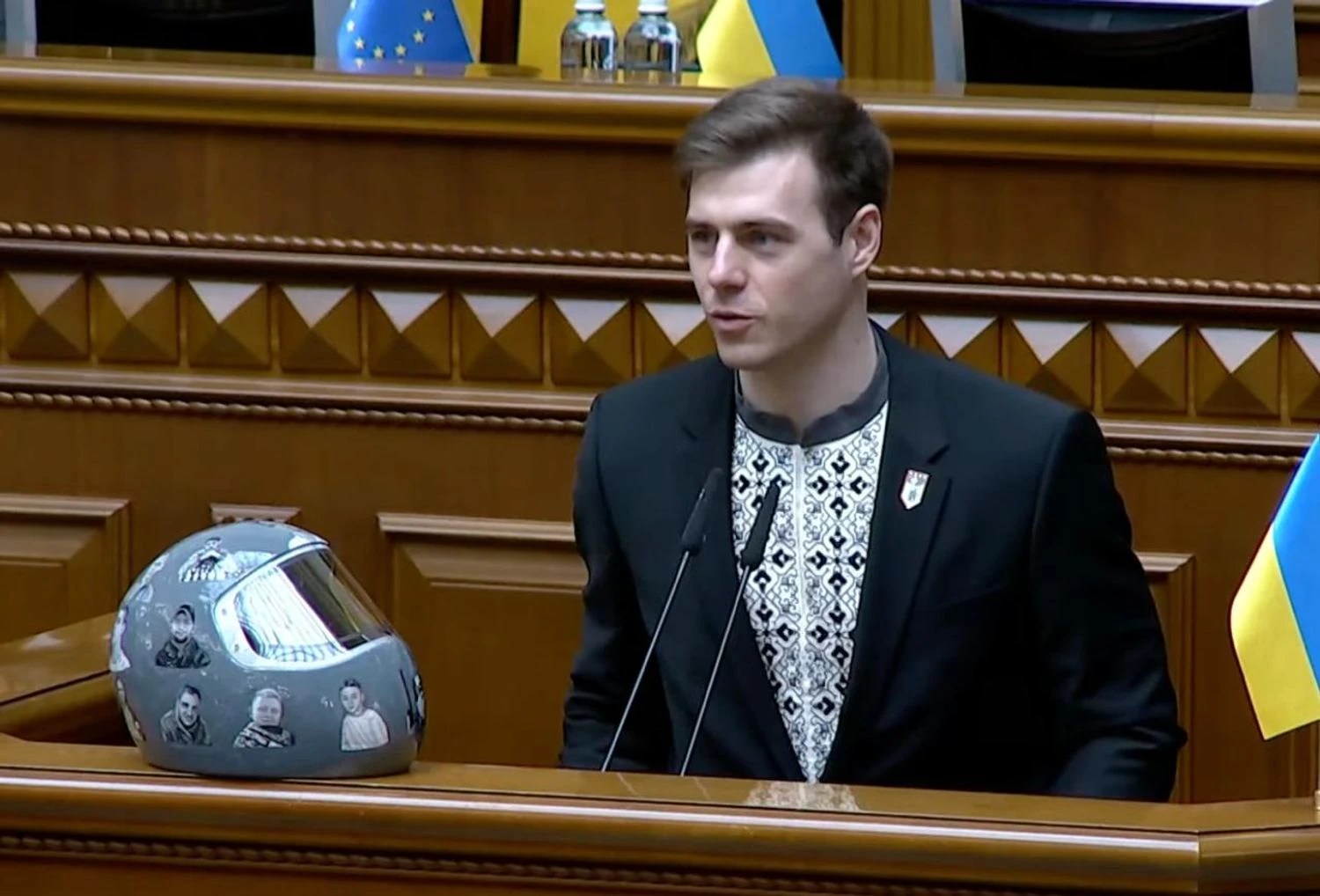
Ukrainian skeleton racer Vladyslav Heraskevych spoke in the session hall of the Verkhovna Rada and called for Serhii Bubka to be stripped of the title Hero of Ukraine and for sanctions to be imposed against him. The event was captured by the parliament's livestream and by photos from the podium circulated online (source: UNN). This is not merely a public complaint — the issue touches on the symbolism of state awards, trust in sports institutions, and Ukraine's reputation on the international stage.
What Heraskevych said
“I often see that there are many empty seats here. Actually, this is my first time here. But I understand that I have already beaten some of your colleagues in terms of attendance at plenary sessions.”
— Vladyslav Heraskevych, Olympic skeleton racer
Beginning with light self-irony, the athlete drew a reaction from deputies — laughter, smiles and applause. He then moved to the core of his remarks — accusations directed at Serhii Bubka, which made the speech politically significant.
Accusations against Bubka
“I am talking about Mr. Serhii Bubka, who still bears the title Hero of Ukraine. And honestly, I am ashamed that he holds this title. He should not hold it. The person is systematically destroying Ukraine. He trades with the occupiers. He allows Russian flags in the organizations he heads. The person is, indeed, playing into Russia's hands. And when he bears the title Hero of Ukraine… that is unacceptable. And we must fight that as well.”
— Vladyslav Heraskevych, Olympic skeleton racer
Heraskevych directly called for the revocation of the title and the imposition of sanctions. Reports also say the athlete attended a Ukrainian lunch on the sidelines of the Munich Security Conference, where he addressed world leaders with thanks for their support and a call for unity and remembrance of the fallen.
Context and possible consequences
First and foremost, this is a question of symbolism. The title Hero of Ukraine is one of the highest state honors; public accusations of collaboration with the occupier strike at the trust in the institutions that awarded it. Second, such statements have a reputational dimension: if suspicions are supported by evidence, this could affect the stance of international partners and their willingness to trust Ukrainian sporting or public leaders.
At the same time, it is important to understand the procedural side: questions of revoking awards and imposing sanctions are decided by state bodies in accordance with current legislation — at present this is not an automatic step following public statements. Therefore the next round will not take place on social networks but within the relevant procedures and investigations.
What next?
Heraskevych’s public appeal prompts two practical outcomes: 1) expect official inquiries, checks and possible statements from state bodies; 2) a public discussion about the role and limits of public awards and the responsibility of public figures. For the reader, this is a matter of principle: should we equally protect the honor and transparency of institutions that represent Ukraine to the world?
The key question now is whether competent authorities will back the words with facts. Until official conclusions are reached, this remains a public accusation with serious but so far unconfirmed consequences.



