HMS Prince of Wales on accelerated deployment: what the British aircraft carrier's heightened readiness means for the region and Ukraine
While attention is riveted on the headlines, a quiet mobilization of the fleet is opening new opportunities for deterrence and the protection of bases — we examine why shortening deployment time matters now.

By Tetiana Suchkova-Ladik
March 7, 2026 · 2 min read
Position and facts
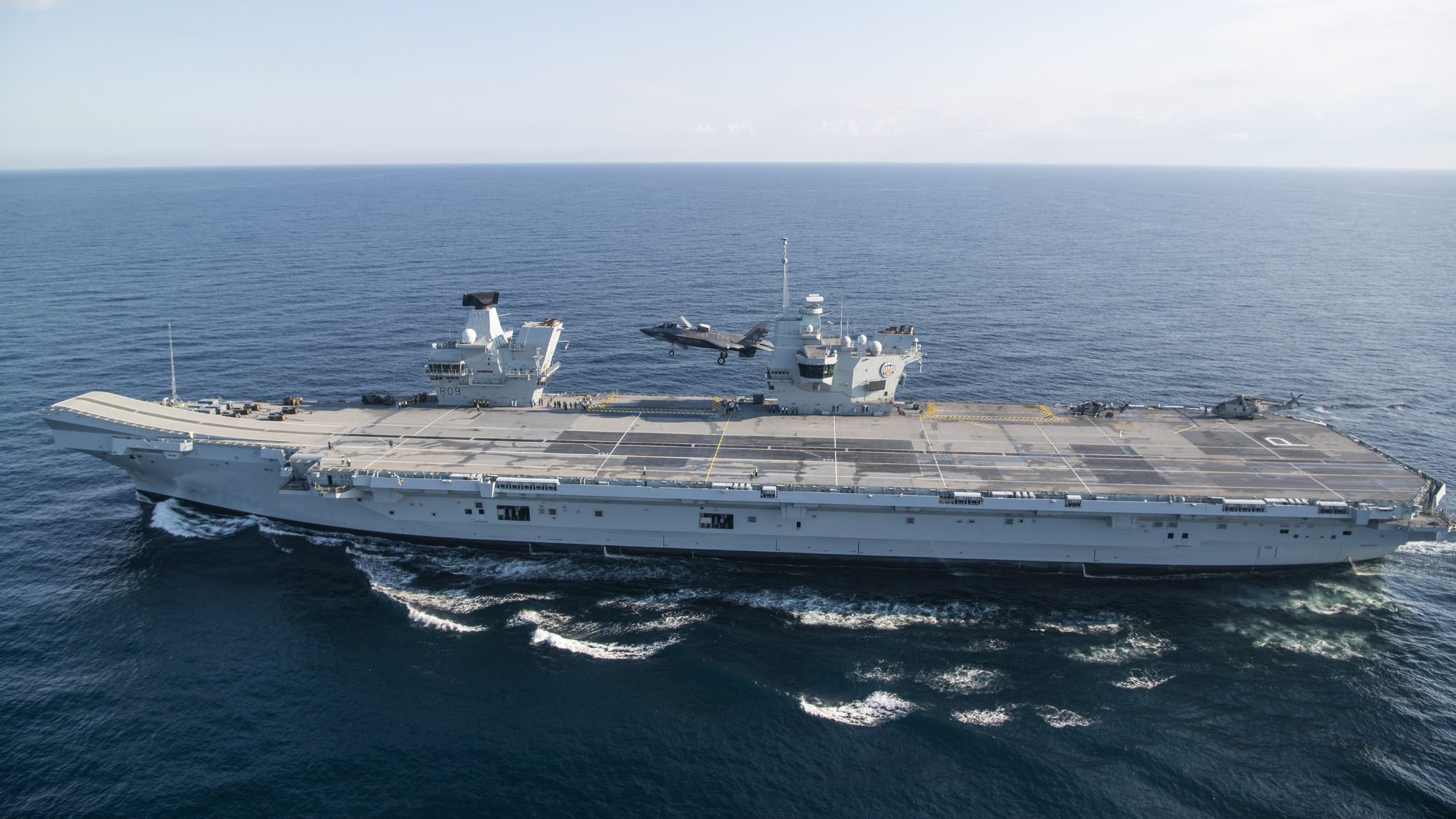
Sky News reports that the United Kingdom has halved the time to bring the aircraft carrier HMS Prince of Wales to readiness — to five days — citing an unnamed source. The vessel carries heavy carrier-based fighters F‑35 and is based in Portsmouth. The Guardian notes that the British Ministry of Defence officially announced the ship had been placed on heightened readiness.
"Placed on heightened readiness."
— British Ministry of Defence (via The Guardian)
Military context
The decision is linked to rising tensions in the region after strikes and counterstrikes between the US, Israel and Iran. In response, Britain has already increased its presence: Typhoon and F‑35 fighters, additional Wildcat helicopters and about 400 personnel have been deployed to the Middle East and to Cyprus. There were reports of missile interceptions near Cyprus, and the Associated Press recorded a 'Shahed' strike on RAF Akrotiri.
Why this matters for Ukraine
First, the rapid deployment of a carrier is a signal of allied readiness to respond and operate in distant theaters, which raises the overall threshold for escalation. Second, the UK has already been employing platforms and equipment to counter drones — on March 6 it sent "drone hunters" who worked with Ukrainian specialists, and party leaders (according to reports) were considering involving Ukrainian experts in operations in the Persian Gulf.
For Ukraine this is not only a symbol of support: our expertise in counter‑UAV measures and joint operations with allies improve the security of bases and supply routes, and also strengthen our position in negotiations over further assistance.
"Iran is doing everything it can to prevent a ground operation, because it considers it the most likely source of its destruction."
— Vadym Denysenko, head of the analytical center "Dilova Stolytsia" (LIGA.net)
Conclusion
Reducing the time to deploy the HMS Prince of Wales is not an automatic escalation, but it is an important instrument of deterrence and readiness. For Ukraine the key is to turn such signals into concrete protective mechanisms: operational coordination in countering drones, strengthening air defence and securing supply chains. The question now is for our partners: will this remain largely a demonstration of mobility, or will it become a series of practical steps that increase real security in the region?



