Rotten rations and 50% kickbacks: DBR exposed head of the food supply service — faces up to 10 years
The food supply system for the front lines has been compromised: bogus delivery certificates, short shipments and rotten food. The State Bureau of Investigations detained an official — we examine how the scheme worked and what it means for the safety of soldiers.

By Tetiana Suchkova-Ladik
February 9, 2026 · 2 min read
What happened
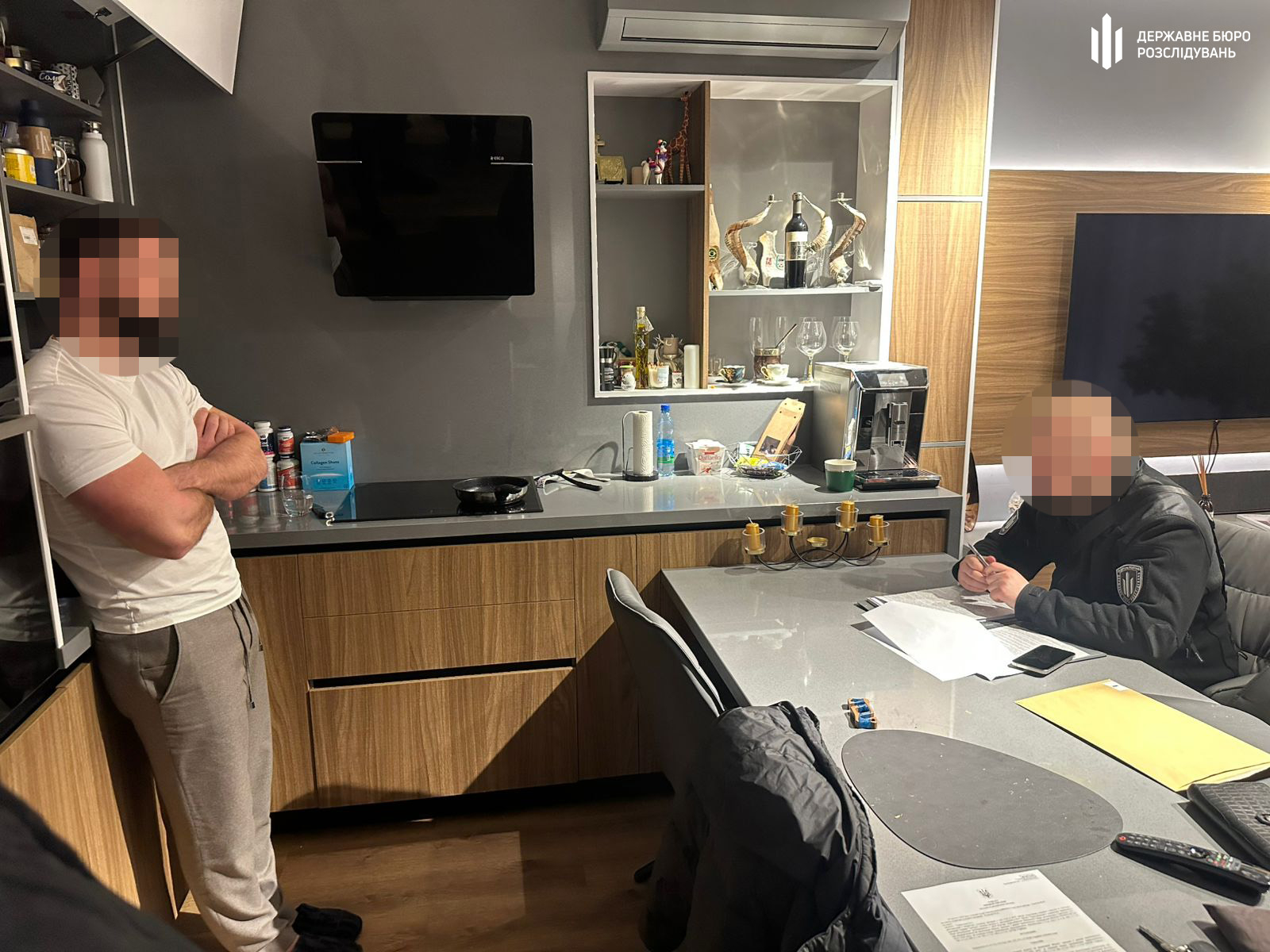
Law enforcement blocked a corruption scheme in the supply of food to combat units of the Armed Forces of Ukraine in Dnipropetrovsk Oblast. According to the State Bureau of Investigation, the head of the food service of one military unit has been notified of suspicion — he faces up to 10 years' imprisonment.
"A corruption scheme in the supply of food to combat units of the Armed Forces of Ukraine has been blocked"
— State Bureau of Investigation
How the scheme worked
According to the investigation, the official acted in collusion with the supplier's management. Acceptance-transfer acts were formally signed for the full volume, while only part of the products were delivered to the units. The rest was written off through controlled persons — these are classic non‑goods (bogus) transactions.
Besides under-deliveries, the quality of the products did not meet requirements: rotten vegetables and fruits, among other things, were delivered to units, including to soldiers serving at the front.
For accepting substandard products and failing to file claims, the official received bribes — kickbacks reached up to 50% of the supply cost. In a week, the amount of illegal payments could exceed UAH 1 million. To conceal the funds, they were routed through currency exchange offices.
What was seized and what the charges are
During searches, investigators seized cars, property documents, a collection of branded items with an estimated value of over UAH 8 million, as well as IOUs totaling $120,000. The chief was detained and notified of suspicion of fraud, receiving unlawful benefits as an official, and evasion of military service during martial law.
His subordinate was also notified of suspicion — she is accused of receiving cash from suppliers and passing part of the funds to the superior; during a search $20,000 was seized. She faces up to four years in prison.
Consequences for the front and the system
This is not an isolated case — at the end of January the DBR reported suspicions in the procurement of beds with possible overpayments of almost UAH 18 million, and earlier suppliers of mines with unsuitable products were implicated. Experts point out that such schemes directly undermine logistics and the combat readiness of units, endanger the health and lives of soldiers, and destroy trust in rear support procedures.
What next
The State Bureau of Investigation is establishing the full circle of those involved and the final amount of the losses. At the same time, this case shows that arrests alone are not enough — systemic changes in procurement control are needed: transparent tenders, independent quality checks, and rapid responses to signals from the front.
A question for the future: how to ensure that oversight of unit provisioning works faster and more effectively than corruption schemes? The answer should come not only from law enforcement statistics, but also from procedural changes and the political will to implement them.



