"Horoscopes for the Prime Minister, Fortune Tellers for the Head of the Presidential Office: How Ukrainian Authorities Have Consulted with Esotericists for Decades"
# The Yermak case revealed a detail that is no news for insiders: appeals to astrologers and numerologists at Bankova and Hrushevsky have been a long-standing practice, not an anomaly.

By Tetiana Suchkova-Ladik
May 15, 2026 · 2 min read
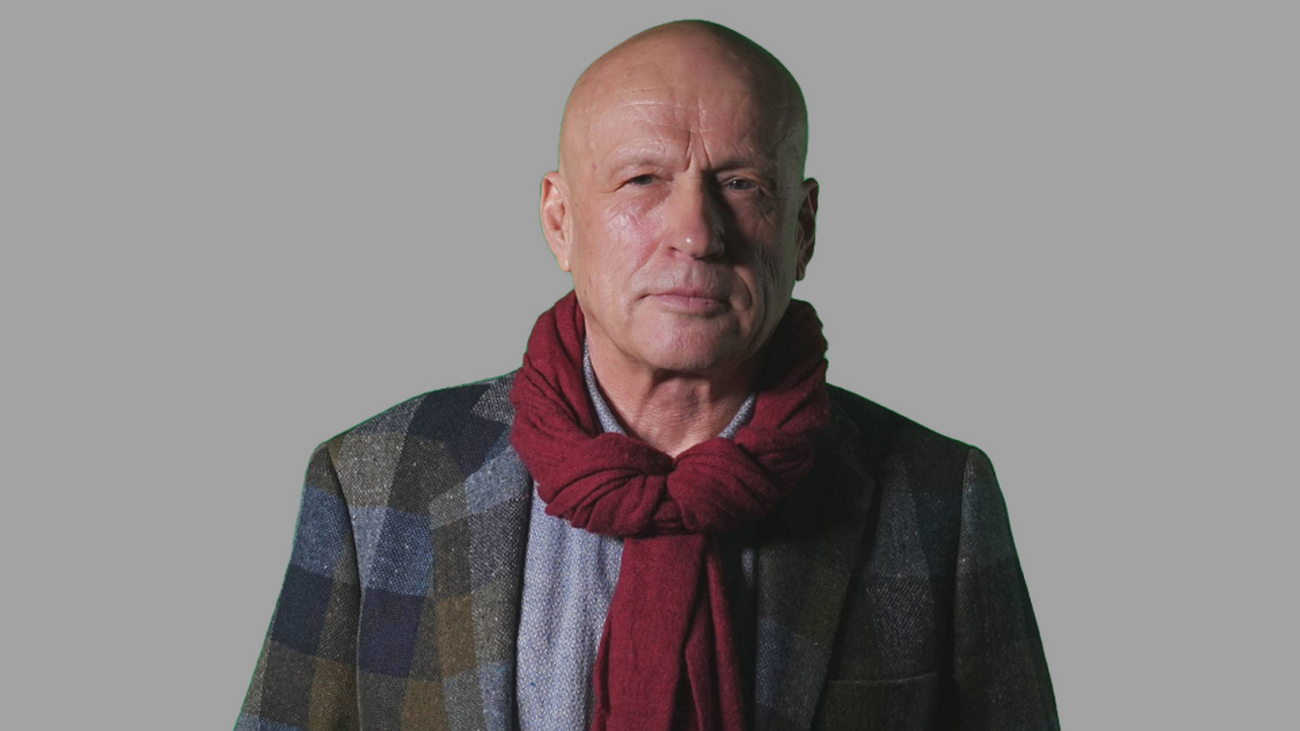
When the prosecutor read a name from Andrii Yermak's contacts at the VAKS hearing on May 12 — "Veronika Fenshui Office" — the courtroom perceived it as a scandal. Oleh Rybachuk, who headed the Secretariat of President Yushchenko in 2005–2006, reacted differently: for him, it was a recognizable picture.
What emerged in court
According to the investigation, Yermak consulted with astrologer Veronika Anikievych regarding appointments to state positions — in particular, as the prosecution claims, regarding candidates for prosecutor general Iryna Venediktova and prime minister. To communicate with Yermak, Anikievych used a separate iPhone 12 with a single contact "Andrey 2025". On December 24, 2025, during a search at Yermak's driver's residence, this contact sent her a message with the names of the heads of the SAP and NABU — Klymenko and Kryvonos. In response, "Veronika" advised him to show "harshness and active resistance" to opponents.
"There was never any esotericist, numerologist, feng shui specialist, or feng shui expert in the office at any time"
— Presidential Office spokesperson Lytvyn, May 13, 2026
Yermak himself told journalists that he did not communicate with fortune tellers and prophets, and that he has "no voodoo dolls whatsoever".
"This is not an anomaly — it's a tradition"
Rybachuk, in a comment to LIGA Editorial, said that appeals to esotericists were "quite a common practice" on Bankova and Hrushevsky streets. As an example, he cited Mykola Azarov: according to Rybachuk, the former prime minister did not go to work without consulting his horoscope.
This is not the first testimony of this kind. Former presidential press secretary Yulia Mendel had previously reported that in 2020, one of the ministers told her about "magical practices" of the head of the Presidential Office, and later reports appeared about magicians from Israel, Georgia, and Latin America who allegedly visited Yermak. Rumors about his trust in astrologers and numerologists had been circulating for a long time.
Why this is not just an anecdote
The question is not whether an official believes in horoscopes. The question is who actually makes decisions when official advisers are replaced by a person with a separate phone. According to the investigation, "Veronika Fenshui" not only "calculated" candidates for ministerial positions based on birth dates but also provided recommendations on countering anti-corruption bodies and specific journalists.
- Anikievych's father was a member of the "Opposition Bloc"
- Correspondence with Yermak was conducted via Signal and a separate device
- The iPhone 12 was seized on May 11, 2026 at Anikievych's place of residence
As noted by Focus.ua, citing a commentator on the case: "There is no legal liability for him here — there is no such article in the Criminal Code. But politically, it adds to the already existing image".
If the court recognizes the correspondence with "Veronika" as evidence not only of strange interests but also of an attempt to coordinate resistance to NABU and SAP — this detail could change the qualification of episodes in the case. Whether the investigation will be able to prove that the astrologer's advice was part of a plan rather than just personal superstition will become clear at the next VAKS hearings.



