"Preparing for Battle": Klopotenko Joins Reform of Food Services in the Ukrainian Armed Forces — What Will Change for the Front Lines
Food is an element of combat readiness. The Ministry of Defense and the Defense Procurement Agency have launched a project with practical recipes, cook training, and feedback from units. We explain why this is important and what risks remain.

By Tetiana Suchkova-Ladik
March 3, 2026 · 2 min read
What was announced
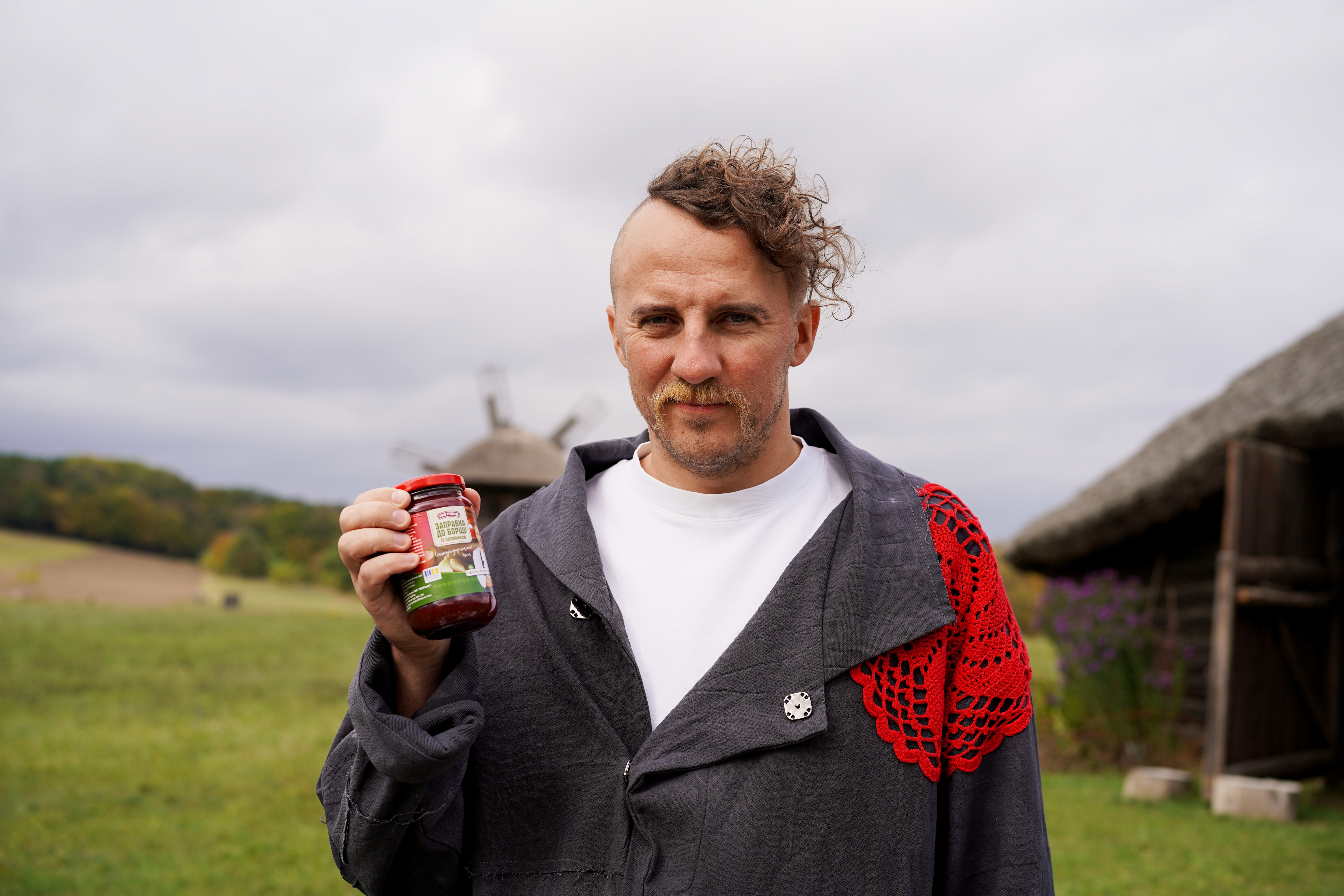
The Ministry of Defense of Ukraine and the Defense Procurement Agency (DOT) announced the launch of the "Preparing for Battle" project, which chef and restaurateur Yevhen Klopotenko joined. DOT director Arsen Zhumadilov and a representative of the NGO "Cult Food" signed a memorandum of cooperation intended to turn recommendations into practical solutions for field kitchens.
"Most military cooks do not have specialized education, and there are no clearly written algorithms for their work. Even if products are delivered on time and meet standards, the result in the kitchen can vary depending on conditions, equipment and the experience of the people."
— Ministry of Defense of Ukraine
Why this matters for security
Food is not a minor issue. The diet affects units' endurance, recovery and morale. Having clear cooking algorithms and standardized recipes reduces the risk of wasted food, decreases variability in quality and simplifies logistics. In other words, this is a direct investment in operational effectiveness.
What the project includes
- A practical recipe compendium — adapted for field conditions, taking into account available equipment and limited ingredients.
- Training for military cooks — from basic techniques to menu planning according to nutritional standards.
- Regular feedback — testing and adjusting recipes based on feedback from units.
- Formatted materials — video recipes and step‑by‑step instructions to ease implementation on the ground.
Risks and lessons from the past
The initiative comes against the backdrop of critical incidents in army and school feeding, where Klopotenko's earlier reform in educational institutions sparked debate and journalistic investigations (notably by LIGA.Life) into procurement efficiency and quality assurance. Therefore the key task is not only to create recipes but also to establish control and transparency mechanisms so the memorandum becomes a sustainable practice rather than a PR stunt.
What’s next
The project has the potential to raise nutrition standards in the Armed Forces, but its success will depend on several factors: regular training, the availability of quality ingredients, and oversight of supply chains. Whether "Preparing for Battle" will become the standard at the front will be shown in the first year of implementation, but the direction is right: systematic work around kitchen tables can produce a tangible effect in the field.



