Graham: After strikes on Iran — "Cuba is next." Implications for international stability
The senator's rhetoric on Fox News aligns with a series of moves by the U.S. administration — will it become policy? We analyze what that means for global security and for Ukraine.

By Tetiana Suchkova-Ladik
March 3, 2026 · 2 min read
In high diplomacy, quiet agreements matter more than loud statements
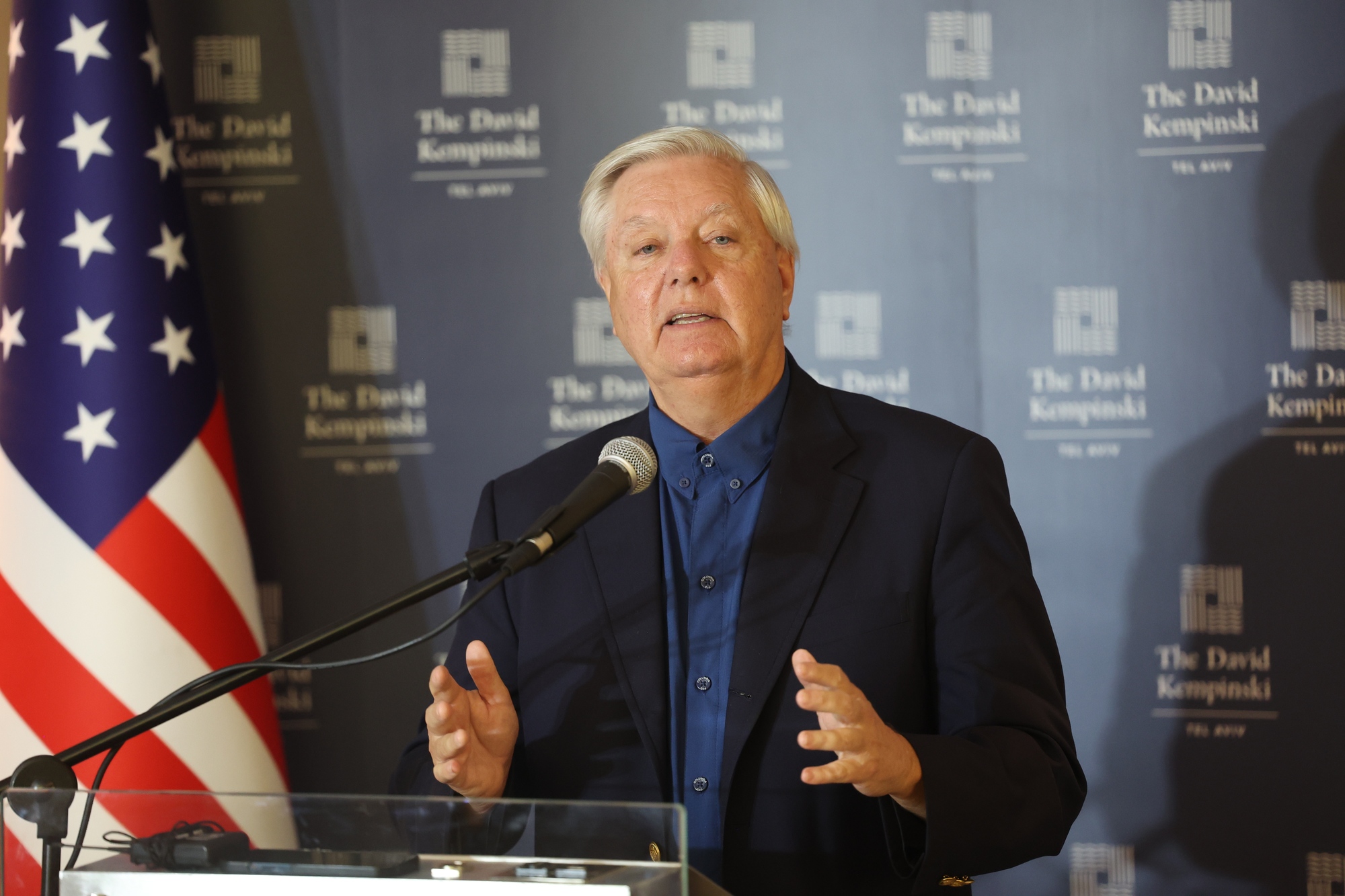
Senator Lindsey Graham (Republican from South Carolina) on Fox News praised recent US strikes on Iran and said that “Cuba is next”. This remark is notable not because of its emotional charge, but because of the combination of political rhetoric and steps already taken by the US administration — from sanctions to public plans to pressure the Havana regime.
What Graham actually said
"Cuba is next. It’s a domino effect that hits Cuba. Their days are numbered"
— Lindsey Graham, US senator (Republican, South Carolina)
Graham also called the Iranian regime "the flagship of international terrorism" and claimed that Iran's Supreme Leader Ali Khamenei is allegedly dead; these assertions were presented on air as the senator's position and require independent verification. He also called for pressure on Lebanon’s Hezbollah and for coordination between US and Israeli actions.
Context — US strikes and the administration's response
On February 28 the US and Israel launched a joint operation against targets in Iran; media reports say key officials of the regime were killed in the strikes. President Donald Trump said further strikes could continue "for another four to five weeks" and hinted at accelerating the operational tempo. At the same time the US government has stepped up economic and political pressure on Cuba: media outlets (The Hill, Politico) document a series of measures — from threats of an oil blockade to declarations of a state of emergency and potential customs measures against countries supplying fuel to the island.
Pressure on Cuba: facts, not assumptions
According to The Hill and Politico, the Trump administration has long been considering tools of economic pressure on Havana — from a fuel embargo to diplomatic measures. In January the president urged Cuban authorities to reach an agreement with the US; on January 29 a state of emergency was declared, and on February 27 a statement was made about the possibility of a "friendly takeover" of Cuba.
Why this matters for Ukraine
The rhetoric and real operations are far from purely regional politics: they divert diplomatic and military resources, shift allies’ priorities, and affect global supply chains for energy and food. For Ukraine, this means partners may recalibrate their efforts and attention — while risks of escalation in other regions increase, complicating coordination of assistance and deliveries.
Conclusion — cool heads instead of loud predictions
Senator Graham’s remarks reinforce a picture in which the US administration combines military strikes, sanctions pressure, and political rhetoric. The question is not the loud words, but whether the rhetoric will turn into a consistent strategy against Cuba — and with what political, economic, and security consequences. Analysts point out that US operational capabilities and the reaction of international partners will be key — and that will determine how long the domino effect lasts.



