Indian refineries delay purchases of Russian oil — how this affects sanctions pressure and Ukraine’s security
Reuters reports that a number of Indian refiners are refusing deliveries of Russian oil for April. This is not just about the market — it is a diplomatic lever that could weaken Russia’s revenues and bolster the positions of Ukraine’s partners.

By Tetiana Suchkova-Ladik
February 8, 2026 · 2 min read
Briefly
Reuters reports: Indian oil refineries are postponing or not accepting offers for Russian oil for April, and some — for March as well. The decision comes from the market's largest players and aligns with diplomatic signals between India and the United States.
What happened
According to Reuters, companies Indian Oil, Bharat Petroleum and Reliance are avoiding offers for shipments of Russian crude oil scheduled for the coming months. At the same time, some shipments for March are already booked, and some refineries have stopped purchases altogether. An exception remains Nayara, which traditionally buys Russian oil; its 400,000 barrels-per-day plant uses predominantly Russian feedstock, but it has also suspended imports in April due to scheduled maintenance.
"Diversification of energy supply sources, in accordance with market conditions and changes in the international dynamic, is the foundation of the country's strategy to ensure energy security"
— a spokesperson for India's Ministry of External Affairs
Why it matters
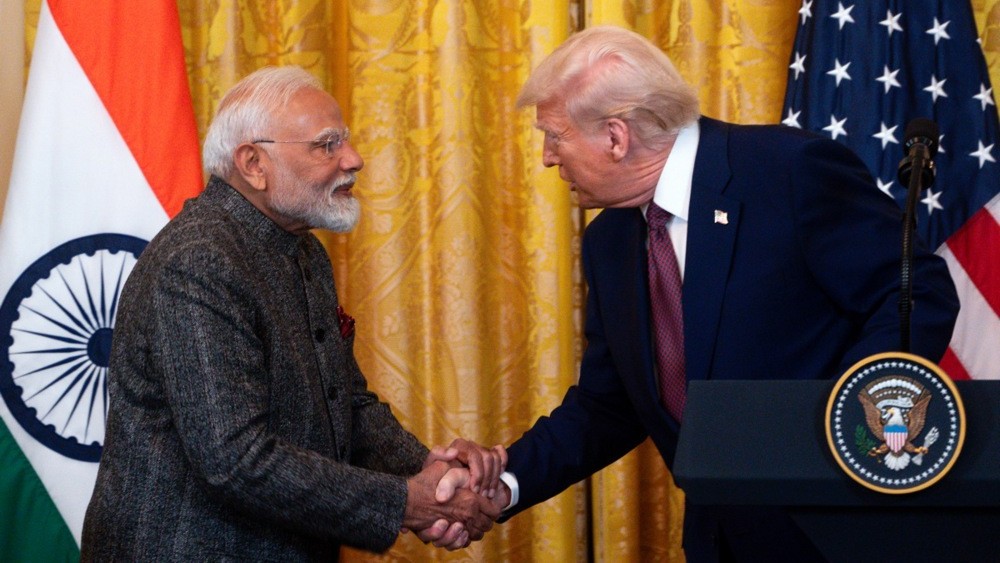
First, a reduction in purchases by India means lower demand for discounted Russian oil — and therefore less revenue for the Russian budget, which is used for both the economy and the war. Second, it's a diplomatic signal: in February negotiations India and the United States moved closer to the framework of a trade agreement that includes tariff preferences; a decision to eschew Russian oil could become an important element of that deal.
Context and caveats
Analysts and publications, notably Bloomberg, note that global oil flows remain flexible: the drop in purchases by India is partly being offset by rising demand from China. In addition, Indian refiners can change their decisions on the recommendation of the government — meaning policy remains a factor that can quickly alter the supply picture.
What it means for Ukraine
For Ukraine, a reduction in foreign buyers of Russian oil is a positive signal: fewer cash flows to Moscow = fewer resources for the war. But the effect will be gradual and depends on the scale and duration of the demand reduction, as well as the reaction of other major importers. Furthermore, the diplomatic discussions between India and the United States demonstrate that energy remains a key sphere of influence in international politics.
Details and exceptions
The most important thing: even if the majority of refineries refrain from purchases in April, some March contracts are already in place, and Nayara may have a special status due to previous agreements. Reuters emphasizes that many decisions in the supply chain depend on short-term contracts and refinery technical schedules.
Conclusion
This is not an instantaneous defeat for Russian energy exports, but it is an important step in the long game of sanctions and diplomatic pressure. For Ukraine, it is important to monitor not only declarations but actual commercial flows and their durability. The remaining question is: will the current temporary restraint turn into a long-term trend sufficient to systemically weaken Russia's finances?



