Injection during the detention of cash couriers: what it means for Ukraine's security and the recovery of its funds
The Guardian reports that one of Oschadbank’s cash collectors was given a forced injection while being detained in Hungary. This detail is not merely a medical incident: it calls into question Budapest’s attitude toward human rights and complicates the return of funds seized during the operation.

By Tetiana Suchkova-Ladik
March 20, 2026 · 2 min read
What happened
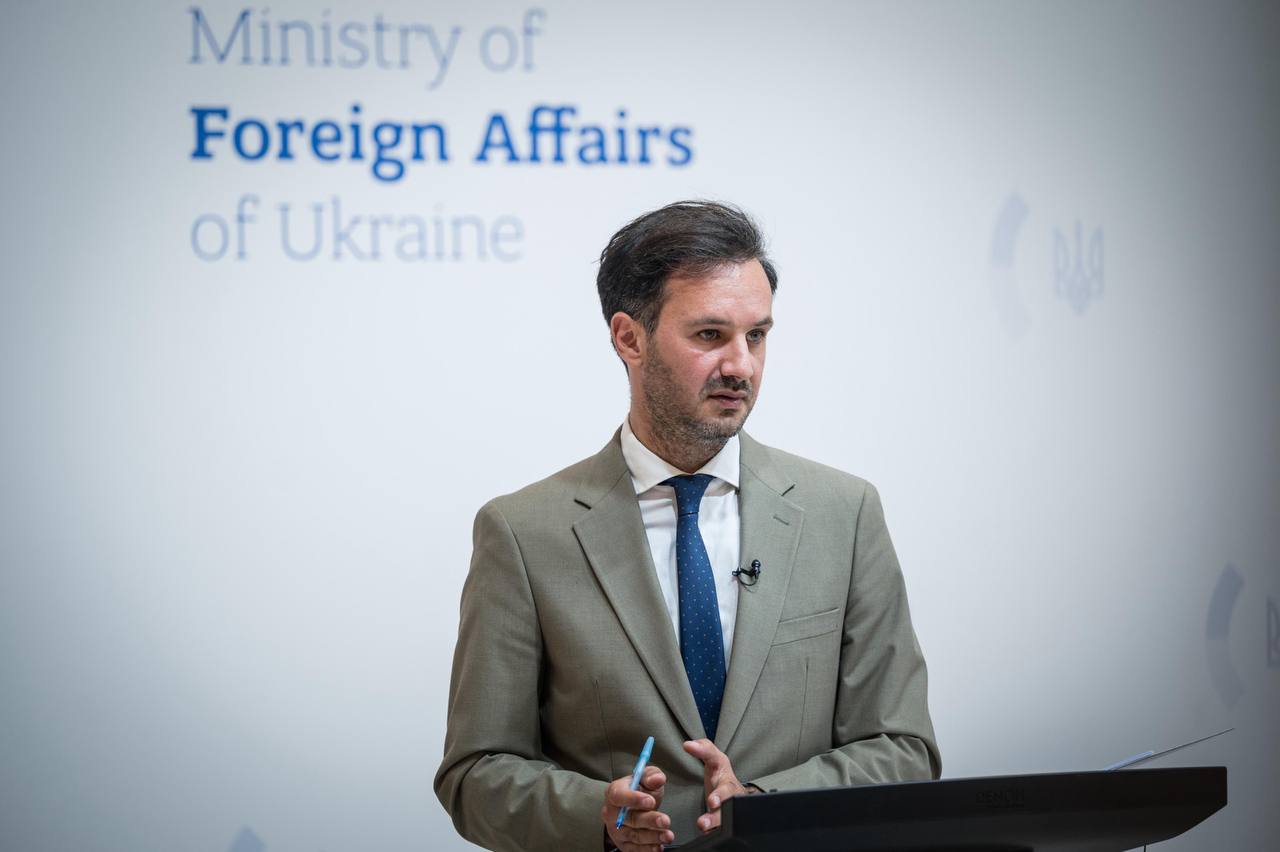
According to The Guardian and comments from the Ministry of Foreign Affairs of Ukraine, during the unlawful detention of Oschadbank cash couriers one of the detainees was given an injection after which his condition deteriorated. MFA spokesman Heorhiy Tykhyi confirmed that the incident took place and that medical assistance was provided to the injured person only after he lost consciousness.
Sources speaking to The Guardian claim the injection may have contained a drug from the group of muscle relaxants that have been used to coerce people into giving testimony ("truth serum," as sources put it). Reports say the injured man, who has diabetes and hypertension, suffered a hypertensive crisis and lost consciousness; tests were performed after his return to Ukraine.
Medical facts and legal consequences
Medical side: forcibly administering drugs to people with chronic illnesses poses a direct risk to life. Relevant data should be verified by independent experts as part of the investigation.
"The official position of the Ukrainian side remains unchanged: we demand that all those responsible for the kidnapping and inhumane treatment of our people be held accountable..."
— Heorhiy Tykhyi, spokesman for the Ministry of Foreign Affairs of Ukraine
Political context
The incident occurred against the backdrop of deteriorating relations between Kyiv and Budapest: Ukrainian citizens were detained on March 5 along with vehicles and cash, but Kyiv managed to secure their release by the evening of the following day. On March 12 Hungary returned the cash-in-transit vehicles — partly damaged. At the same time, the issue of unrecovered funds remains: Ukraine claims the unlawful seizure of $40 million, €35 million and 9 kg of gold.
The political dimension is amplified by the fact that Hungarian domestic politics and electoral cycles may affect the pace of investigations and engagement with Kyiv. Analysts and media outlets, including LIGA.net, have outlined several possible scenarios for the confrontation between Orbán and Zelensky in connection with these events.
What this means for Ukraine
Personnel security: the case underlines the need for additional security guarantees for Ukrainian staff abroad — not only diplomatic, but also legal and medical support.
Financial dimension: the seized funds are not abstract figures but real state assets on which payments and the bank's operational capacity depend. Delays in their return weaken Ukraine's economic position.
What now and who to watch
The MFA is calling for all published materials to be "carefully examined" within the legal framework. The Ukrainian side expects an investigation as well as international security guarantees for its citizens. The Hungarian service implicated in the investigation is currently not commenting on these claims to The Guardian.
This incident is not an isolated episode: it combines questions of human rights, state responsibility and financial security. The next steps need to be twofold: legal — to hold those responsible to account, and diplomatic — to restore mechanisms for protecting our citizens and assets abroad.
Brief outlook
Kyiv is expected to demand not only public explanations but also practical measures: independent medical examinations, international investigations and clear guarantees for the return of assets. Whether statements turn into real legal and financial outcomes will depend on partners' responses.



