Iran called talks with the US in Geneva constructive — but regional tensions remain
On 17 February Tehran described the dialogue as a "way forward," but the simultaneous buildup of U.S. forces and IRGC (Islamic Revolutionary Guard Corps) military exercises are raising the risks. Why this matters for security and the economy — briefly and to the point.

By Tetiana Suchkova-Ladik
February 17, 2026 · 2 min read
In brief: what happened
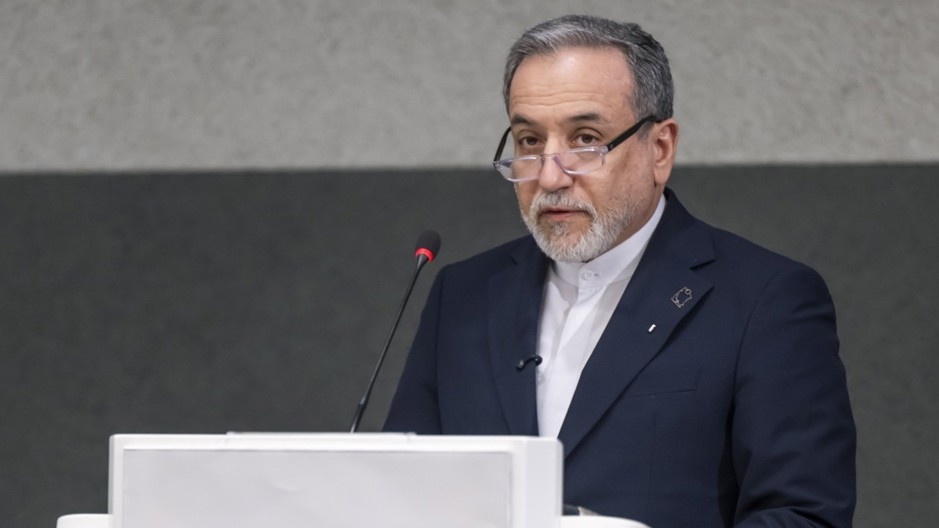
Iran's foreign minister Abbas Araghchi spoke positively about three-hour talks with U.S. special envoy Steve Witkoff and Jared Kushner in Geneva on February 17. According to Araghchi, the conversation was "serious, constructive and positive," and the parties "made significant progress" compared with the previous round of talks (source: Axios).
"Various ideas were presented and seriously discussed... we have a clearer path forward"
— Abbas Araghchi, Iran's foreign minister
Important context: why this is not just words
The talks took place against the backdrop of an intensive U.S. military buildup in the region: according to open data and an unnamed U.S. official, more than 50 fighter jets of types F‑35, F‑22 and F‑16 were moved into the region in the past 24 hours; a second carrier strike group was also sent to the area (sources: Axios, Reuters). At the same time, Iran held drills under the aegis of the Islamic Revolutionary Guard Corps in the Strait of Hormuz; the Iranian agency Fars reported a partial closure of the strait due to "security measures" (sources: Reuters, Fars).
"The talks went as expected"
— unnamed American official (press quote)
What the US demanded
The U.S. president put forward three key demands to Tehran: 1) stop the nuclear program and eliminate stocks of enriched uranium; 2) reduce the number and range of ballistic missiles; 3) cease support for armed groups in the region (source: media reports).
What experts say and the consequences for Ukraine
Analysts note that a positive assessment of the talks does not remove the risk of escalation: U.S. services, according to Reuters, are preparing for the possibility of prolonged operations against Iran if such an order is given; at the same time Washington is coordinating a policy of pressure with allies (sources: Reuters, Axios, CBS).
For Ukraine this has several practical consequences: volatility in energy prices, increased strain on weapons supply chains, and diplomatic competition for partners' attention. Some Ukrainian specialists (including Deputy Director of the Center for Middle Eastern Studies Danilov, in a comment to LIGA.net) believe that Iran is unlikely to agree to all U.S. demands, and a possible strike on the Islamic Republic would have complex and ambiguous consequences for global security — some experts even note that such an operation could weaken certain threats to our interests, but at the same time create new challenges.
What's next
According to Araghchi, the parties agreed to exchange texts and work on draft agreements ahead of the next round of talks. This means the diplomatic process continues — but its success depends on a simultaneous reduction in military pressure and the political will of the parties.
Summary: the Geneva round signaled a willingness to engage in dialogue, but real risks remain due to parallel military preparations and regional maneuvers. Ukraine should closely monitor developments — both in terms of energy and the geopolitical priorities of our partners.



