Iran elects new Supreme Leader amid threat of Israeli strikes — risks to energy security and stability
The Assembly of Experts announced the appointment of the next leader, but the IDF is openly threatening to strike both the successor and those who choose him — what does this mean for Ukraine now?

By Tetiana Suchkova-Ladik
March 8, 2026 · 2 min read
What happened
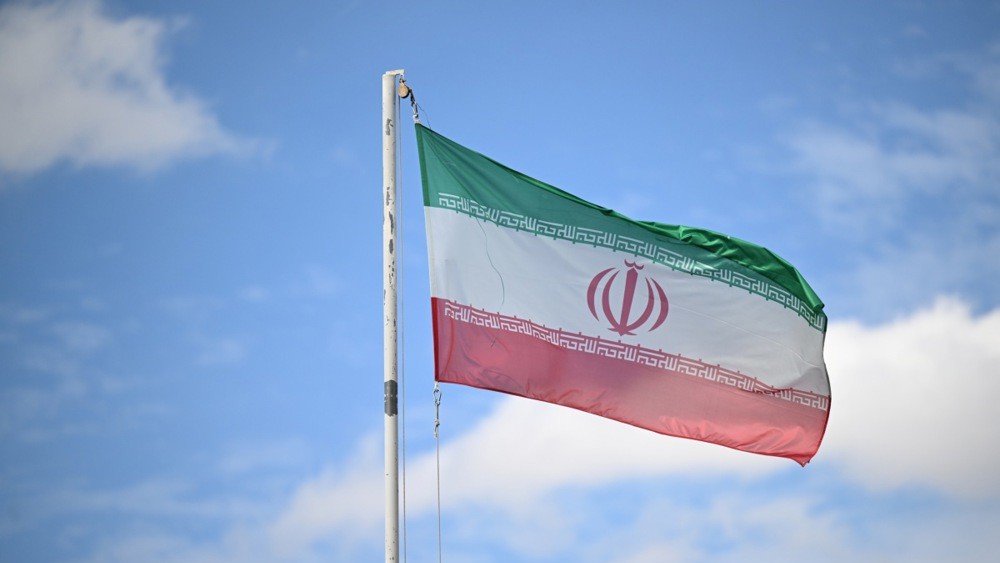
According to The Times of Israel and the Iranian agency Mehr, Iran’s Assembly of Experts has settled on a candidate for the post of next supreme leader. At the same time, the Israel Defense Forces on its Persian-language X account published a message threatening “to pursue any successor and anyone who attempts to appoint him.” This combination of an internal transfer of power and external military rhetoric creates a real risk of escalation in the region.
Who is being considered — and why it matters
“A vote to appoint a leader has taken place, and a leader has been chosen”
— Ahmad Alamolhoda, member of the Assembly of Experts (Mehr agency)
The secretariat of the council is to announce the name later. The Assembly counts 88 clerics. The opposition outlet Iran International, citing sources, wrote that the candidate is Mojtaba — the son of Ayatollah Ali Khamenei — and that his selection may have occurred under pressure from the Islamic Revolutionary Guard Corps (IRGC). CNN notes that traditional Shiite procedures and Mojtaba’s lack of high religious standing make a transfer of power “from father to son” problematic and controversial within the elite.
Israel’s position: an open ultimatum
“After the neutralization of the tyrant Khamenei the terrorist Iranian regime is trying to restore its power and choose a new leader... We want to inform you that the State of Israel will continue to pursue any successor and anyone who attempts to appoint him”
— Israel Defense Forces (message from X account, Persian)
Axios also reported that an unnamed Israeli defense official spoke of strikes on the Assembly of Experts, allegedly to prevent the appointment. Separately, U.S. and Israeli sources discussed the possibility of operations to access stocks of highly enriched uranium — another potential flashpoint.
Why this matters for Ukraine
This story matters not only for the Middle East. First, there is a direct link to energy security: escalation in the Persian Gulf increases volatility in oil and fuel prices and complicates logistics — LIGA.net has already written about this. For the Ukrainian market such shocks mean higher prices and risks of shortages.
Second, broad escalation diverts political attention and defense resources of partners, especially for air defense and intelligence. Analysts warn that, in the event of heightened tensions, deliveries of military equipment and gear could be delayed or reprioritized according to U.S. and European needs.
Finally, any strikes on key Iranian institutions or attempts to seize nuclear stockpiles would have global consequences for security and non‑proliferation systems, which also complicates the strategic picture for Ukraine.
Conclusion
Choosing a new supreme leader under pressure and public threats of strikes creates a scenario of increased tension and instability in energy markets. For Ukraine this is a signal to act pragmatically: diversify supplies, strengthen fuel reserves, and accelerate delivery by partners of concrete air defense and intelligence systems. Whether international partners will turn rhetoric into real contracts is a question on which our ability to withstand the next waves of global instability will depend.



