Iran Shelves Nuclear Issue to Reopen Strait Faster
Tehran has transmitted a new proposal to Washington through Pakistan: first restore shipping in the Strait of Hormuz and cease fire, with nuclear negotiations to be postponed for later. The problem is that Trump loses his main bargaining chip precisely when he gets what he wants.

By Tetiana Suchkova-Ladik
April 27, 2026 · 3 min read
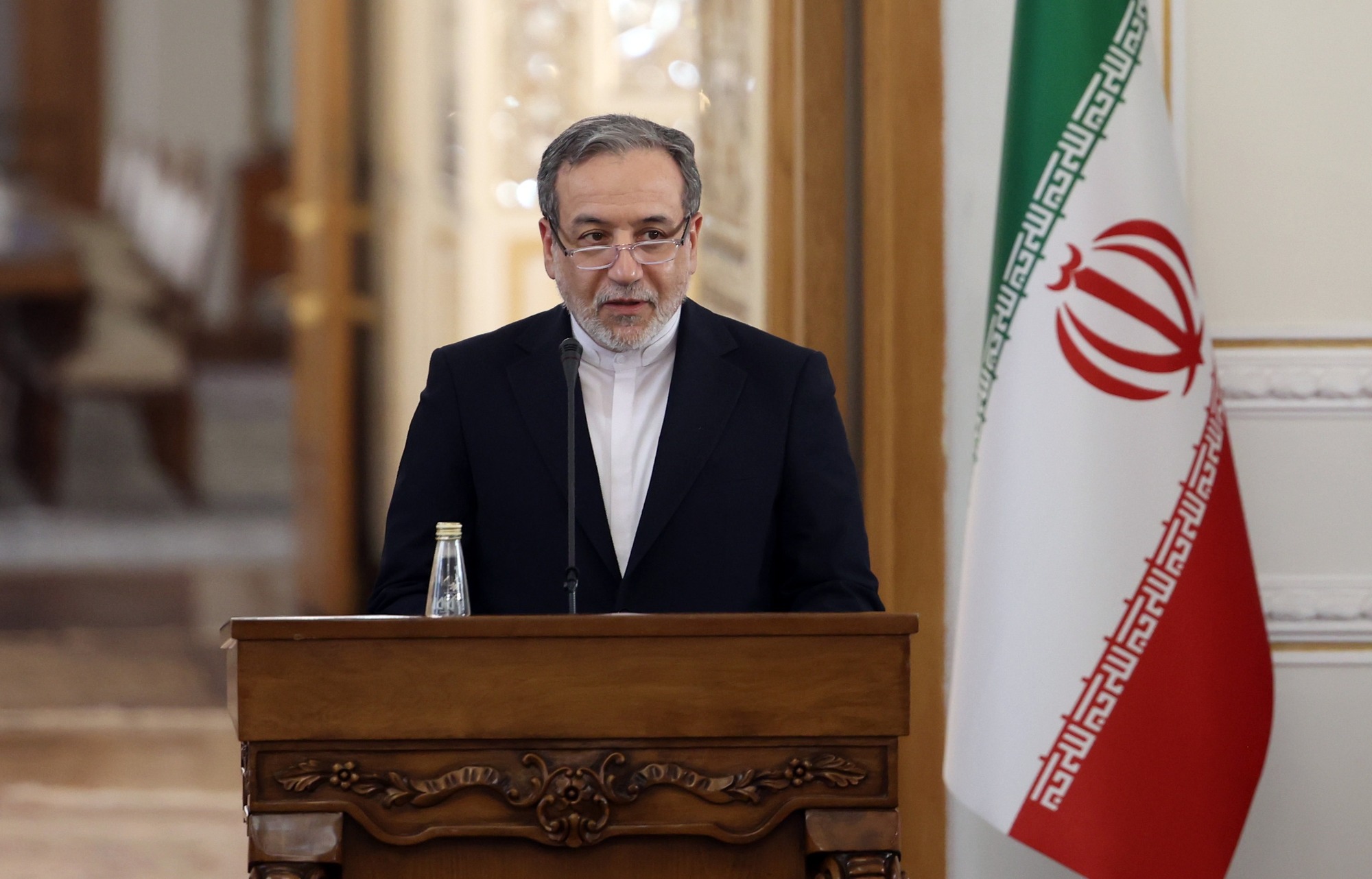
Iranian Foreign Minister Abbas Araghchi held negotiations in Muscat on Sunday with Omani officials, returned to Islamabad for a second round with Pakistani mediators — and already on Monday flew to Moscow for a meeting with Putin. Behind this diplomatic marathon stands a specific document: a new Iranian proposal that Tehran transmitted to Washington through Pakistan.
According to Axios, citing an American official and two informed sources, the essence of the proposal is simple: first — opening the Strait of Hormuz and ceasing hostilities, then — and only then — nuclear negotiations. This phased approach allows Tehran to circumvent internal divisions within its own leadership regarding what concessions on nuclear issues are even permissible.
Why the strait is closed — and what it costs the world
Context without which the proposal is incomprehensible: since February 2026, following American-Israeli strikes on Iran and the death of Supreme Leader Khamenei, Tehran closed the Strait of Hormuz — through which approximately 20% of global oil trade passes. The United States responded by imposing a naval blockade: according to U.S. Central Command, as of April 28, it blocked 38 vessels near Iranian ports. Shipping through the strait, according to MarineTraffic, remains minimal.
Trump threatened to destroy Iranian power plants, oil wells, and desalination facilities. On April 21, he announced the continuation of the ceasefire but ordered the blockade to be maintained and the military kept on combat alert.
The trap in the proposal
Tehran's logic is understandable: reduce military pressure before agreeing to nuclear concessions. But this is precisely the key problem for Washington.
"These sensitive diplomatic negotiations are not conducted through the press. As the President said, the United States holds the cards and will only make a deal that puts Americans first and never allows Iran to have nuclear weapons."
— Olivia Wales, White House spokesperson, Axios
If the United States agrees to the Iranian scheme, it gets an open strait and ceasefire — but without any obligations from Tehran regarding its nuclear program. The pressure disappears, and with it — the incentive for Iran to return to the second round of negotiations. Russia has already offered to store Iranian enriched uranium — an option Tehran has not yet rejected but also has not accepted.
Internal divisions in Iranian leadership add uncertainty: part of the elite is categorically opposed to any concessions on nuclear issues. Parliamentary Speaker Mohammad Baqer Qalibaf previously called American conditions "capitulation." The new proposal is an attempt to find a formula that would satisfy both camps within Iran, deferring the most painful issue.
What's next
The White House received the proposal but, according to Axios, has not yet responded. Trump was to hold a meeting in the Situation Room on Monday with his national security team — specifically regarding the Iranian impasse and possible next steps. Washington previously sent its envoys Steve Witkoff and Jared Kushner to Islamabad, but the second round of direct negotiations never took place after Araghchi's unexpected departure.
If Trump accepts the Iranian "strait first" scheme, he will have something to show voters as a victory — but nuclear disarmament negotiations will transition to a phase where the United States will have significantly fewer levers. The question is not whether the Strait of Hormuz will open — but whether a future agreement will fix a specific mechanism and timeline for beginning the nuclear phase, or leave it "for later" without any guarantees of returning to the table.



