Iran claims it struck a warehouse storing Ukrainian weapons in Dubai — Ukraine’s Foreign Ministry denies
Tehran reported an allegedly destroyed warehouse containing Ukrainian weapons and Ukrainian citizens in the UAE. Kyiv called the statement a lie — we explain what this means for security and the information space.

By Tetiana Suchkova-Ladik
March 28, 2026 · 1 min read
What is known
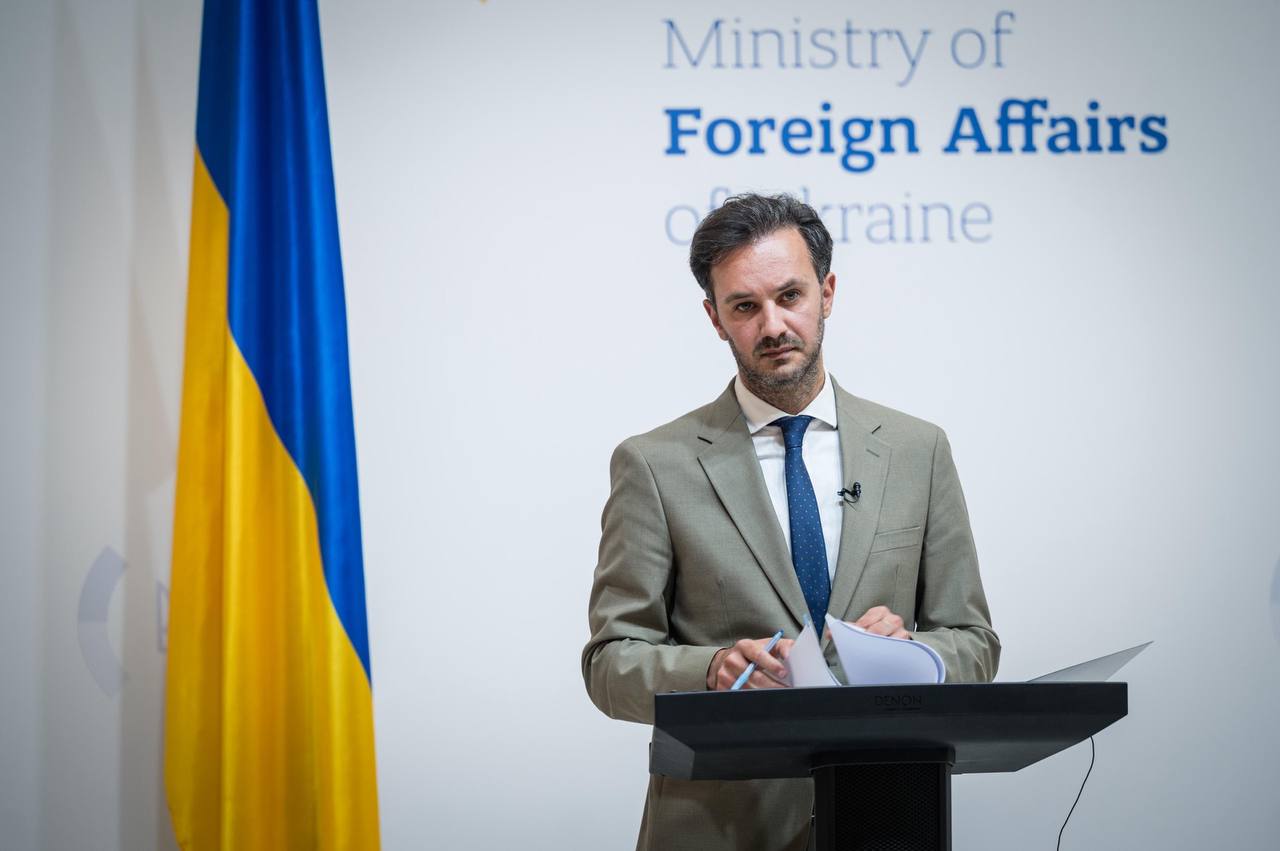
Iranian state sources spread reports about an allegedly destroyed warehouse in Dubai where Ukrainian weapons were stored and where Ukrainian citizens were allegedly present. The Ministry of Foreign Affairs of Ukraine responded promptly: the MFA spokesperson denied this information and called it false.
"This is a lie; we officially deny this information"
— Heorhii Tykhyi, spokesperson for the Ministry of Foreign Affairs of Ukraine
Kyiv's position
Kyiv not only rejects the report of a strike and casualties itself, but also points to the broader context — to the practice of disinformation operations that Tehran sometimes conducts. As the MFA spokesperson warns, in this respect such campaigns "are no different from the Russians."
"They are no different from the Russians in this"
— Heorhii Tykhyi, spokesperson for the Ministry of Foreign Affairs of Ukraine
Context and consequences
Information security experts note that such reports perform several functions at once — discrediting a partner, creating informational noise, and testing the reaction of the international community. For Ukraine this issue has two practical dimensions: the security of citizens abroad and confidence in the supply chains for defense materials.
What next
A transparent fact-checking is needed: from the Ukrainian MFA — more detailed information for citizens and partners, and from international institutions — independent verification of the claims. In the information war, the speed of verification and the quality of sources determine whether a single statement will turn into a long wave of fakes or remain an isolated piece of disinformation.
In short: Tehran's claims are in doubt. Kyiv officially denies them. The partners' response and prompt fact-checking will determine whether this story will have real consequences.



