Spain bans use of its bases for strikes against Iran — a test of sovereignty and NATO coordination
After Madrid's decision, around 15 American aircraft left Rota and Morón. This is not just a diplomatic rift — it signals how allies coordinate military operations and what it means for the security of Europe and Ukraine.

By Tetiana Suchkova-Ladik
March 2, 2026 · 2 min read
What happened
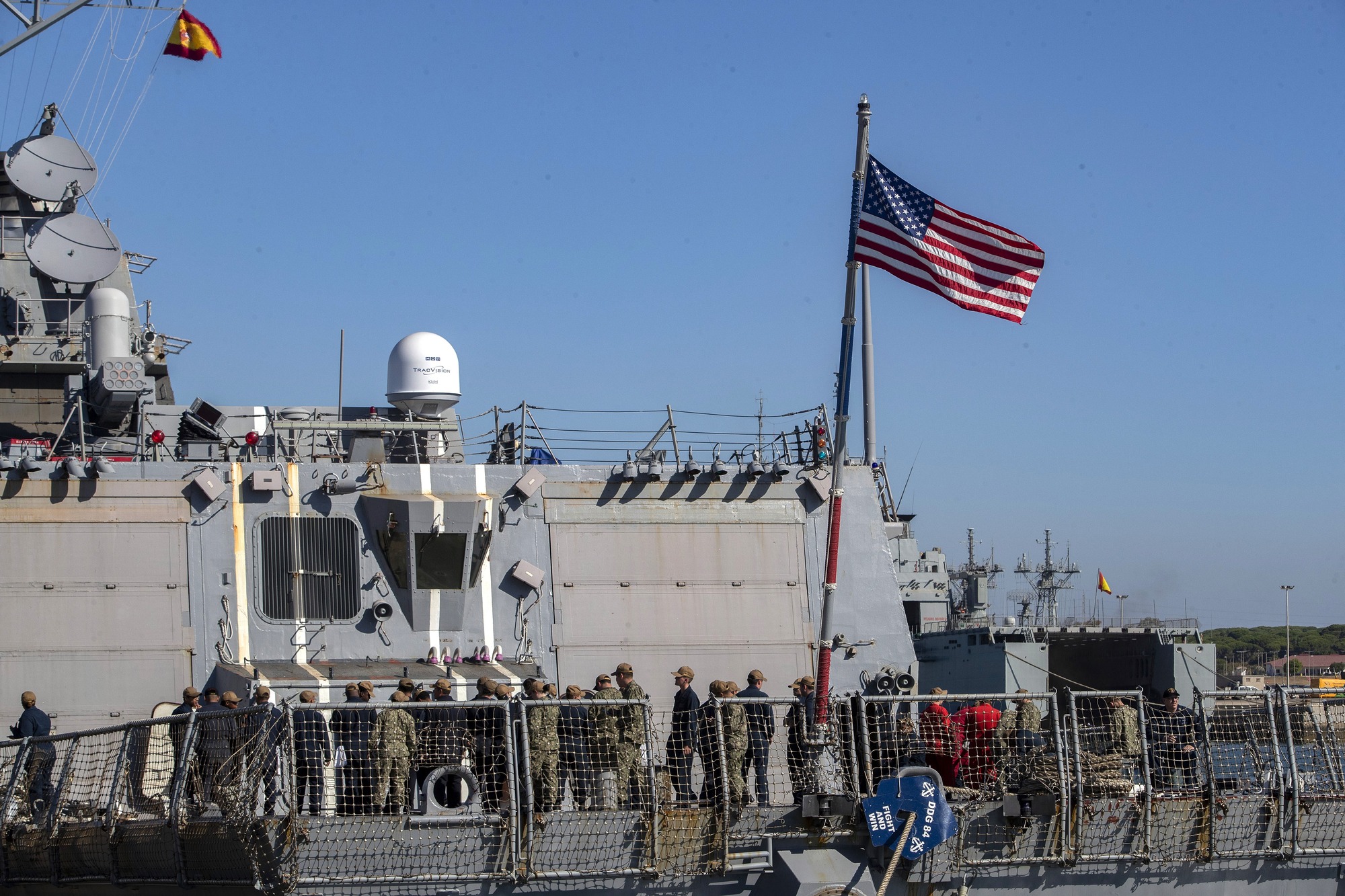
According to Reuters, the Spanish government has banned the use of its joint US naval bases in Rota and Morón for strikes on Iran. After that statement, flight-tracking data from FlightRadar24 showed that about 15 American aircraft, mostly tankers, departed from the bases.
Aircraft movements and technical details
According to FlightRadar24, at least seven of these aircraft landed at Ramstein Air Base in Germany. Nine tankers departed from Morón heading toward Germany; two flights left Rota bound for southern France, and four other sorties from Rota had routes that were not shown in the public tracks. Spain’s defense minister, Margarita Robles, confirmed that the aircraft in question include, in particular, Boeing KC-135 Stratotanker planes, which have long been based in Spain.
Madrid’s position
“Spanish bases are not being used for this operation and will not be used for anything that is not provided for in the agreement with the United States, nor for anything that is not in accordance with the Charter of the United Nations.”
— José Manuel Albares, Spain’s foreign minister
“These aircraft, primarily tankers, have been permanently based in Spain, but any use of them must comply with national law and international obligations.”
— Margarita Robles, Spain’s defense minister
Context and consequences for allies
Madrid has effectively become an exception among a number of Western capitals: some analysts point to the example of the United Kingdom, which, according to The Times, has shifted its approach to similar requests. Such divergences put NATO coordination to the test and show that the right of a sovereign state to control its bases can prevail over a partner’s operational needs.
Why this matters for Ukraine
For Ukraine, access to logistical routes, bases and an air bridge is not theoretical but existential. When allies interpret legal frameworks and political priorities differently, planning for supplies and large-scale operations becomes more difficult. Experts emphasize that stable support for basic logistical chains is as important as arms deliveries — and the risk of fragmented coordination must be minimized.
What next?
Spain’s decision is a reminder that in high diplomacy not only headline actions matter, but also the legal limits that define how and by what means allies will operate. Washington’s next moves and partners’ responses will show whether strategic objectives can be reconciled with respect for sovereignty and international law. For Ukraine, the key question remains: can partners guarantee predictable and lawful logistics support at critical moments?
Data and quotes: Reuters, FlightRadar24; additional context — publications in The Times and expert commentary on allied coordination.



