Ivashchenko on the Zaporizhzhia Front: bolstering reconnaissance in response to Russian assaults
The head of Ukraine's Main Intelligence Directorate (GUR) visited the frontline not for show: the main focus was coordination, new technical reconnaissance assets and training needed to hold positions. We explain why this visit matters right now.

By Tetiana Suchkova-Ladik
January 21, 2026 · 2 min read
What happened
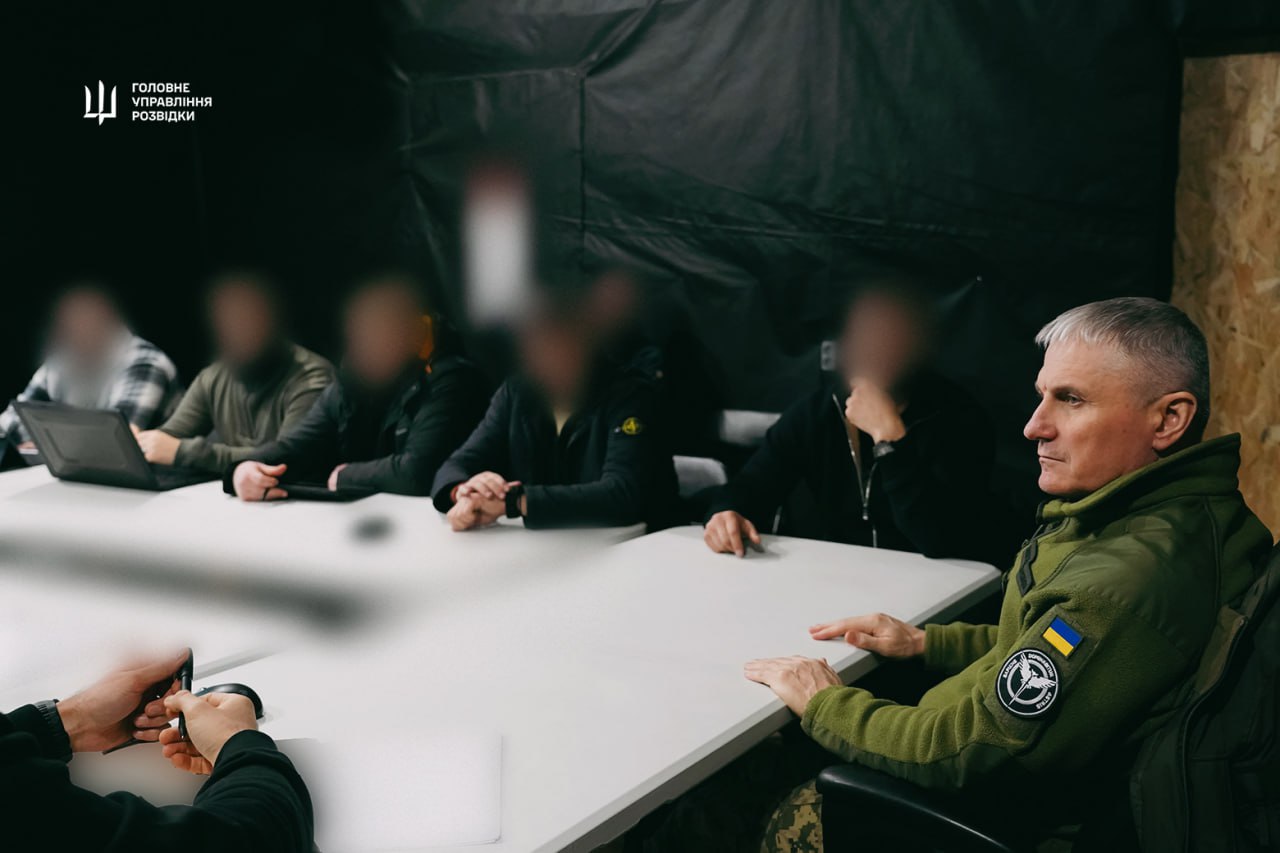
The head of the Main Directorate of Intelligence, Oleh Ivashchenko, visited the Zaporizhzhia front, where he heard commanders' briefings and discussed operational tasks. According to GUR, the emphasis was on deepening cooperation between units and strengthening all types of intelligence.
What was agreed
The purpose of the visit was not rhetoric but practical steps: increasing the supply of modern technical intelligence equipment, strengthening the training of intelligence personnel, and better coordination between departments. Ivashchenko thanked the personnel, in particular the active operations department and the "Timur" special unit, for their daily work and observance of the norms of international humanitarian law (IHL).
"Ukraine's fate today depends on our resilience and professionalism. I emphasize that our units must act proactively — which is why it is so important to acquire and possess high-quality intelligence information."
— Oleh Ivashchenko, head of the Main Directorate of Intelligence
Context: what's happening on the front
According to the General Staff, on the Huliaipole direction 9 attacks were repelled over the day in the area of Huliaipole and in the directions of Dobropillia and Zelenyi. On the Oleksandrivskyi direction one attack was recorded toward Nove Zaporizhzhia; on the Orikhiv direction there were two engagements in the areas of Stepnohirsk and Prymorske. Earlier the Armed Forces warned about the risks of losing commanding heights in Zaporizhzhia (statement on January 6), and LIGA.net noted that Russia is redeploying units from other directions, sometimes formations without full training.
Why it matters
Strengthening intelligence is not about flashy footage, but about fast and accurate information that enables acting preemptively. Better intelligence capabilities increase the accuracy of counter-battery strikes, reduce risks for units, and make it harder for the enemy to seize dominating heights. Military analysts and official sources agree: success in the next phase of fighting will depend on the quality of data and the speed of its processing.
What’s next
Ivashchenko's visit is a two-level signal. First, it is an internal mobilization of intelligence resources: equipment, training, coordination. Second, it is a reminder to partners and the rear about the frontline's needs. Whether there will be enough resources and time to turn declarations into a real advantage is an open question. The answer will be determined not so much by statements as by the delivery of equipment, the training of specialists, and the coordinated work of units.



