Katz named targets in Iran — while Washington negotiates with Tehran
Israel's Defense Minister Publicly Announces Readiness for New Strikes and Lists Attack Targets. The Problem Is That the US Is Simultaneously Negotiating with Iran Over a Nuclear Deal.

By Tetiana Suchkova-Ladik
April 23, 2026 · 2 min read
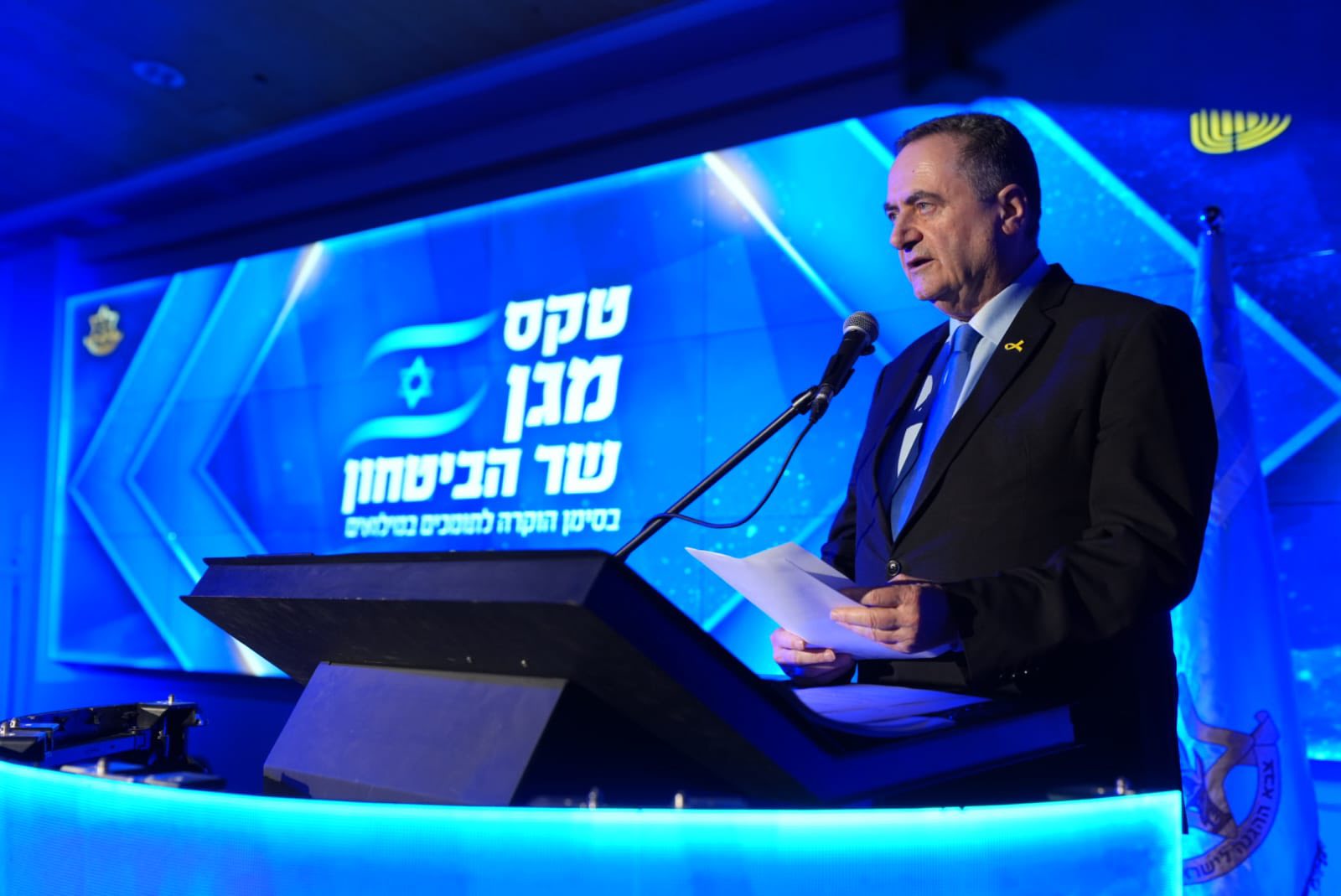
On April 23, Israeli Defense Minister Israel Katz held a meeting with IDF Chief of Staff Lieutenant General Eyal Zamir and other senior officers. Following it, he made a statement that under normal circumstances would have been a diplomatic scandal.
"We are waiting for the green light from the USA, primarily to complete the elimination of the Khamenei dynasty and return Iran to the dark stone age by destroying the main energy facilities."
— Israel Katz, Israeli Defense Minister, Times of Israel
According to Katz, the targets have already been determined, and the IDF is ready for both defense and offense. He described Iranian leadership as weakened: "Its leaders are hiding in tunnels and can barely communicate and make decisions. Its sky is wide open."
Why "Green Light" Is Not Rhetoric
The unusual nature of the statement lies not in its tone, but in its context. Right now, the United States is conducting nuclear negotiations with Iran: the first round took place in Oman on April 12, the second in Rome on April 19, mediated by the same Omanis. The negotiations are being conducted by US Special Envoy Steve Witkoff and Iranian Foreign Minister Abbas Araghchi.
In other words, Katz is publicly positioning Israel as a party that does not block diplomacy — but keeps weapons at the ready and awaits a signal from the same partner who is currently sitting at the negotiating table with the enemy.
Strikes on Infrastructure: The Legal Dimension
The statement about destroying "energy and electrical facilities" immediately triggered reactions from legal experts. Deliberate strikes on civilian infrastructure constitute war crimes under international law, as Dylan Williams from the Center for International Policy pointed out, calling Katz's words "an official statement of intent to commit further war crimes in Iran." Prime Minister Netanyahu already has an arrest warrant from the International Criminal Court — for actions in Gaza.
What "This Time Will Be Different" Means
Katz emphasized that the new strike will be "different and more deadly" compared to previous Israeli attacks on Iran. According to him, Iran has already suffered "massive strikes" that have undermined its foundations — and the next wave is meant to finish them off.
In parallel, Trump claimed that Iran agreed to hand over its highly enriched uranium stockpiles to the US — Tehran denied this within hours. The negotiations are under pressure: the Iranian side refuses to continue the ceasefire unless control over the Strait of Hormuz is included in the agreement.
The structure that is emerging: The USA is conducting negotiations — Israel is maintaining pressure. Katz's public statement may be part of this tactic. Or it may be a signal that Jerusalem is no longer willing to wait for Washington to decide what kind of deal suits it.
If negotiations reach a dead end after the 60-day deadline that Trump set for Tehran on April 12 expires — will Washington withstand Israel's request for "the green light"?



