Kellogg criticizes the US over UN abstention: risks to negotiations and territorial integrity
On the fourth anniversary of the full-scale invasion, the UN General Assembly adopted a resolution on peace — 107 countries supported it, but the United States abstained. Why did this happen and what does it mean for Ukraine — briefly and to the point.

By Tetiana Suchkova-Ladik
February 25, 2026 · 3 min read
Brief — why this matters
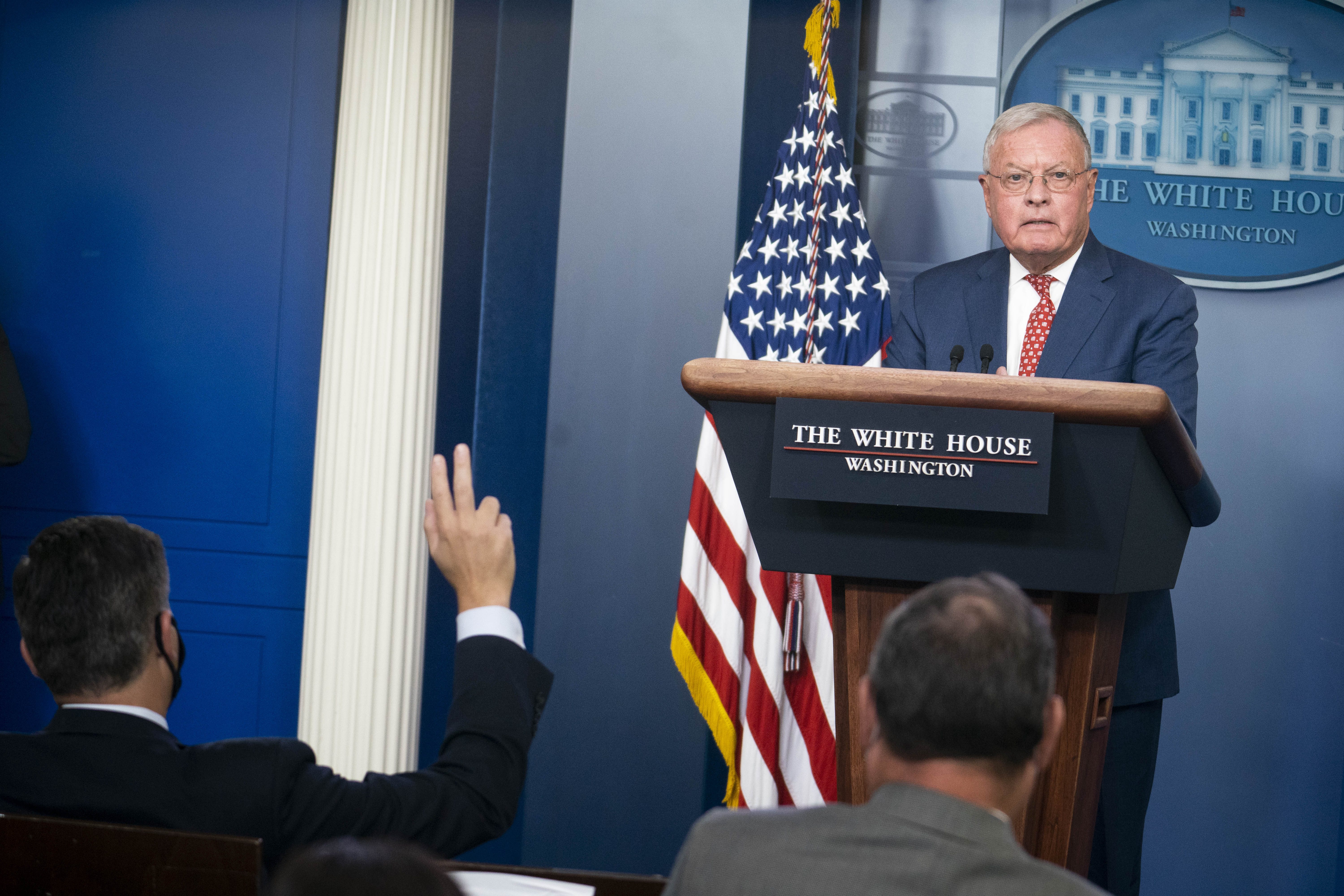
Former U.S. special envoy for Ukraine and Russia Kit Kellogg sharply criticized Washington’s stance after the UN General Assembly voted on a resolution for peace in Ukraine. The document was supported by 107 countries, Russia voted against it, and the U.S. abstained — a move that raised questions about the consistency of international support for Ukraine’s territorial integrity.
What exactly Kellogg said and how the U.S. responded
"A U.N. vote for a durable peace in Ukraine, and we abstained. Who would have thought? The Russian Federation was against the declaration. Aren’t four years of war enough? Aren’t missing children, the shelling of cities, and the killing of innocent people enough?"
— Kit Kellogg, former U.S. special envoy for Ukraine and Russia
U.S. Deputy Permanent Representative to the UN Temmi Bruce explained that, from the American delegation’s position, the text of the resolution allegedly contained formulations that could distract from current peace negotiations and would not contribute to discussion of the "full range of diplomatic options." According to Bloomberg, the U.S. side also insisted on removing paragraphs on territorial integrity and the need to achieve a "just peace."
"The resolution contained language that could distract from current peace negotiations and would not help discuss all diplomatic avenues."
— Temmi Bruce, U.S. Deputy Ambassador to the UN
Context of the vote
The vote took place on February 24 — the fourth anniversary of Russia's full-scale invasion. Result: 107 in favor, several dozen abstained or voted against; Russia was among the opponents. This vote is more than symbolic: it registers the international dynamics of support and shows how approaches differ even among Western partners when it comes to wording and diplomatic tactics.
Why the U.S. may have abstained: a rational view
According to Washington’s logic (and Bruce’s explanation) — the problem is not the idea of peace, but the specific wording. Diplomacy often hinges on linguistic nuances: some formulations can narrow the range of possible compromises or imply legal obligations that would complicate further negotiations. Therefore, the U.S. likely chose the tactic of abstention so as not to "lock in" certain negotiating frameworks.
Consequences for Ukraine
1) Reputational effect: Kellogg’s public criticism amplifies questions about the consistency of allies’ positions regarding the principle of territorial integrity — an important signal for international courts and future guarantees.
2) Diplomatic tactics: linguistic compromises in resolutions may reflect the U.S. desire to preserve options for back-channel negotiations — but this is not equivalent to a refusal to support Ukraine.
3) Internal and external signaling: for Ukrainian society such moves look like a weakening of the fragile front of support; for the adversary — an opportunity to press on the negotiation format.
What analysts say
The diplomatic and analytical community points out: it’s not only the votes in the hall that matter, but what happens off-stage — negotiations, guarantees, military aid. Many experts believe that declarations must be transformed into concrete support mechanisms, and that wording in resolutions should not substitute for real security guarantees.
Conclusion
This dispute is about the balance between principles and tactics. Kellogg emphasizes the moral dimension and that silence or abstention has consequences for Ukraine’s trust in its partners. The U.S. responds with pragmatism, saying that wording can complicate negotiations. The ball is now in the allies’ court: declarations must be turned into clear actions and guarantees so that the question of territorial integrity does not remain a matter of verbal compromises. Whether a balance can be found depends on how willing partners are to place Ukraine’s concrete interests at the center of negotiations.



