Defense plant management embezzled UAH 102 million meant for armor
The SBU and NABU exposed officials of a state-owned plant for embezzling UAH 102 million during procurement of dynamic protection for tanks; the cases involve Zaporizhzhia and Dnipropetrovsk regions.

By Tetiana Suchkova-Ladik
December 11, 2025 · 2 min read
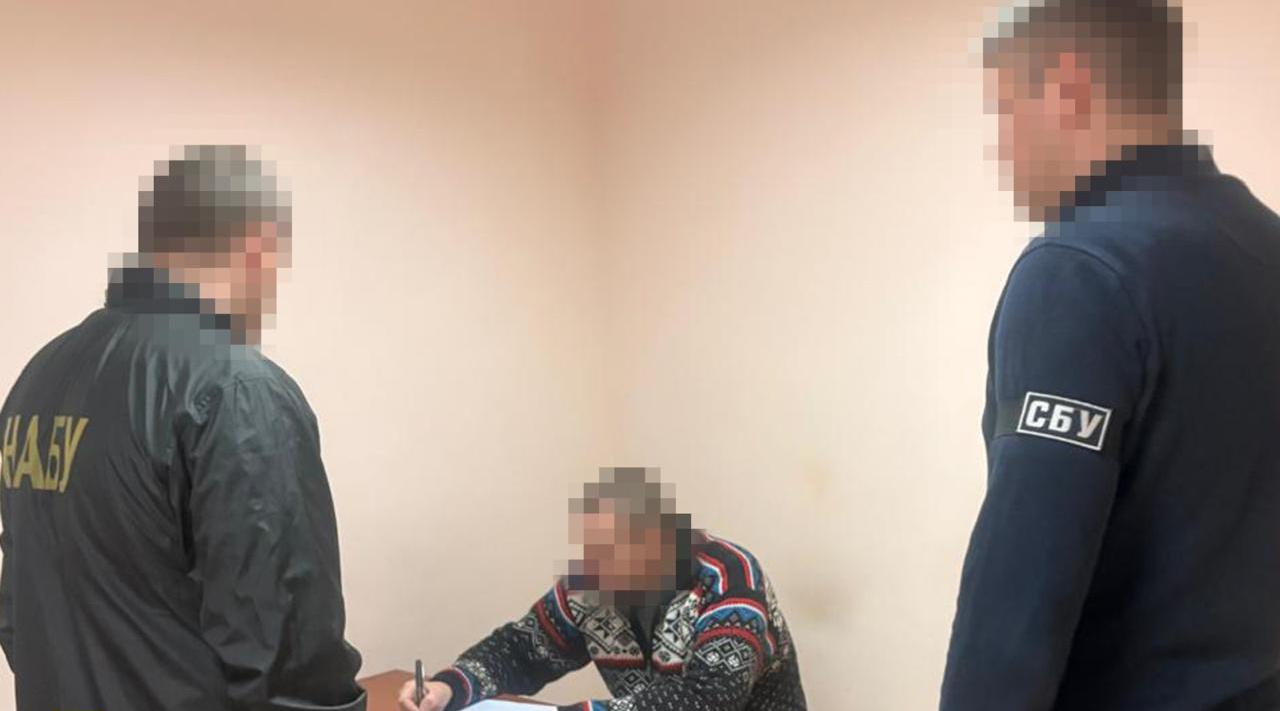
The SBU, together with NABU, established that the leaders of one of the state defense plants embezzled budget funds allocated for the purchase of dynamic protection for Ukrainian tanks.
Embezzlement scheme
According to the investigation, the criminal scheme operated in the Zaporizhzhia and Dnipropetrovsk regions. The total damage to the state amounts to UAH 102 million, which were intended for the production of armor kits.
In April 2022 the plant signed an urgent contract with the Ministry of Defence to supply dynamic protection systems. The products were to be promptly sent from the workshops to the front, but instead part of the funds was embezzled.
Suspects and charges
The case involves the commercial director of the state enterprise, the former head of the plant, and the owner of the contracting firm. The investigation found that contractual components were purchased at prices three times higher than market rates, and the difference was funneled through a network of controlled companies and distributed among the scheme’s participants.
Expert examinations conducted by investigative authorities confirmed significant losses. Searches were carried out at the workplaces and residences of the suspects.
- charged under articles on embezzlement and misappropriation of property by abusing official position as part of a group;
- legalization (money laundering) of obtained funds;
- official forgery.
The former plant head is already in custody in another proceeding related to the production of defective mortar shells — he was detained in April 2025. For the other suspects, the question of preventive measures is still under consideration.
Problematic ammunition supplies
The pretrial investigation also found that at the beginning of 2024 the plant received a contract for the serial production of 120-mm mortar rounds for the Ground Forces. Production was carried out with substandard materials and defects, resulting in 120,000 shells being sent to the front that were unfit for use.
- On December 5 NABU reported exposing a criminal group allegedly headed by Member of Parliament Skorokhod; the SBU announced suspicion against her and detailed the mechanism for applying National Security and Defense Council sanctions as part of the scheme.



