Several countries have agreed to provide PAC-3 missiles: what it means for Ukraine and what other steps are needed
E5 defense ministers in Krakow reported signals of readiness to transfer missiles for Patriot systems — this would strengthen Ukraine’s air defenses, but deliveries depend on approvals and coordination among partners.

By Tetiana Suchkova-Ladik
February 20, 2026 · 2 min read
What was announced in Krakow
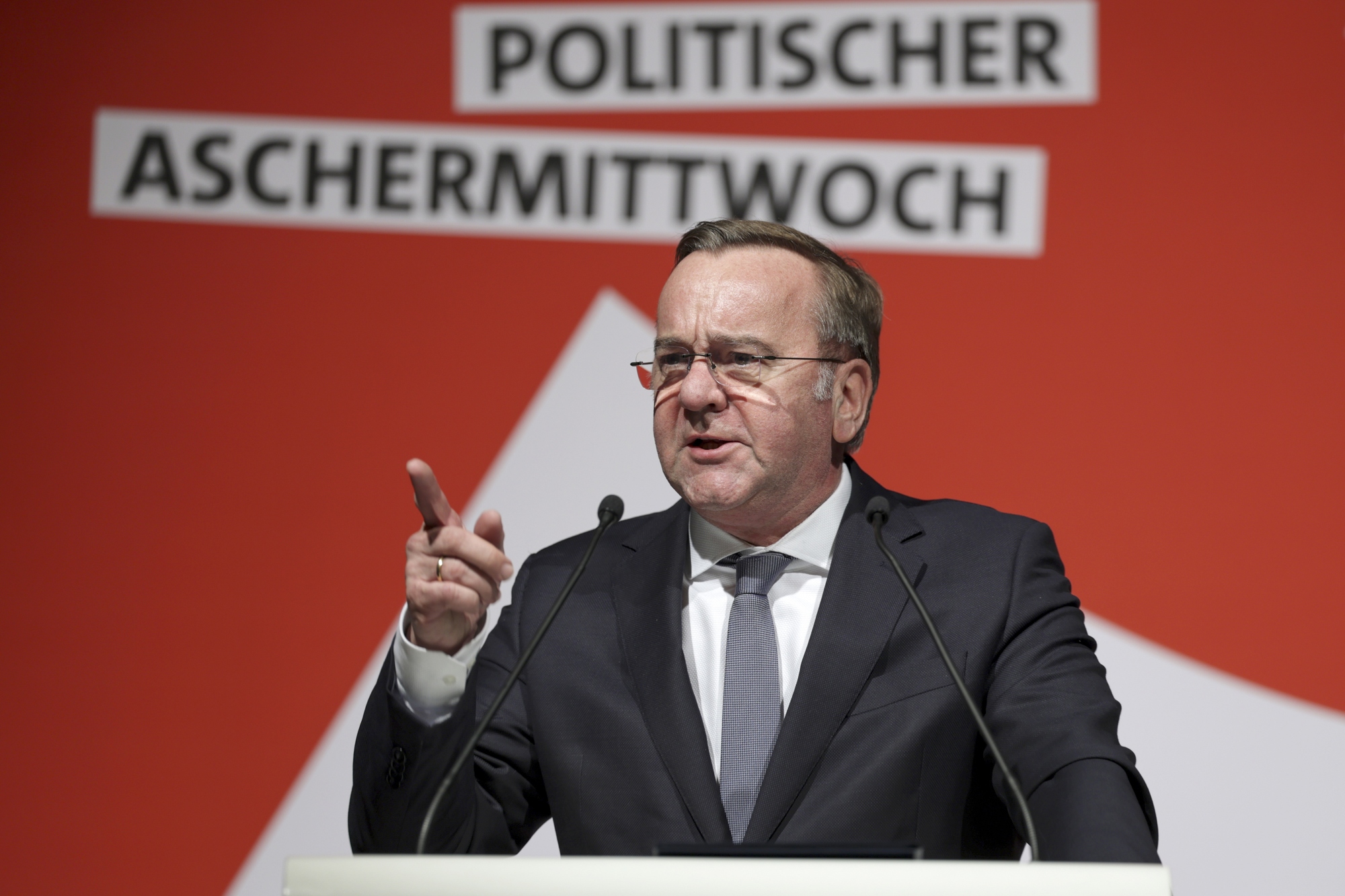
At a briefing after a meeting of defense ministers in the E5 format (Germany, the United Kingdom, France, Poland, Italy), Germany’s Defense Minister Boris Pistorius reported that several countries have signaled their readiness to transfer PAC‑3 missiles for the Patriot system to Ukraine. Germany is additionally prepared to provide five more missiles if partners can assemble around 30 rounds in total.
"That is why last week in Brussels I proposed gathering a certain number of PAC‑3 missiles, and Germany, despite having already handed over many, will add five more. We are already moving forward: many countries, some countries, have signaled their readiness"
— Boris Pistorius, Germany’s Defense Minister
Why this matters
PAC‑3 is an interceptor missile for the Patriot system, designed to hit ballistic missiles, aircraft and large drones. For Ukraine, additional rounds mean strengthened protection for strategic targets and populated areas in the zone of ongoing missile strikes. In other words, this is not just equipment but a real reduction in the risk of destruction and civilian casualties.
Conditions and obstacles
Pistorius emphasized that the decision partly depends on U.S. re-export approvals. This is standard procedure: many countries use missiles purchased or produced under U.S. license, so legal and logistical barriers can slow the process.
The official also noted that Berlin is awaiting final confirmations from partners and is optimistic about accelerating shipments once approvals are received. At the same time, Ukrainian representatives pointed to large aid packages, and in the "Ramstein" format additional financial and material commitments were announced that bolster the partners' overall readiness.
What it means for the front
If the signals of readiness turn into concrete deliveries, Ukraine’s air defense will gain an immediate tactical effect — the likelihood of intercepting missiles will increase in areas where critical facilities are vulnerable. However, in the short term three factors remain key: official re-export approvals, delivery logistics and coordination with Patriot operators on the Ukrainian side.
Conclusion
Signals of readiness from several countries are an important step that confirms political support and pragmatic solidarity. But now words need to be turned into an operation: rapid approvals, fulfillment of agreements and clear logistics. Will partners be able to speed up the process enough for the missiles to reach where they are most needed — on the line of defense for Ukrainian cities and critical infrastructure?



