Klimkin: June deadline — important for Trump, but not decisive. What this means for Ukraine
Pavlo Klimkin, on LIGA.net, explained why a possible cessation of hostilities by June has political weight for the US election campaign — but does not guarantee victory. We analyze the consequences for Ukraine’s security and diplomacy.

By Tetiana Suchkova-Ladik
February 9, 2026 · 2 min read
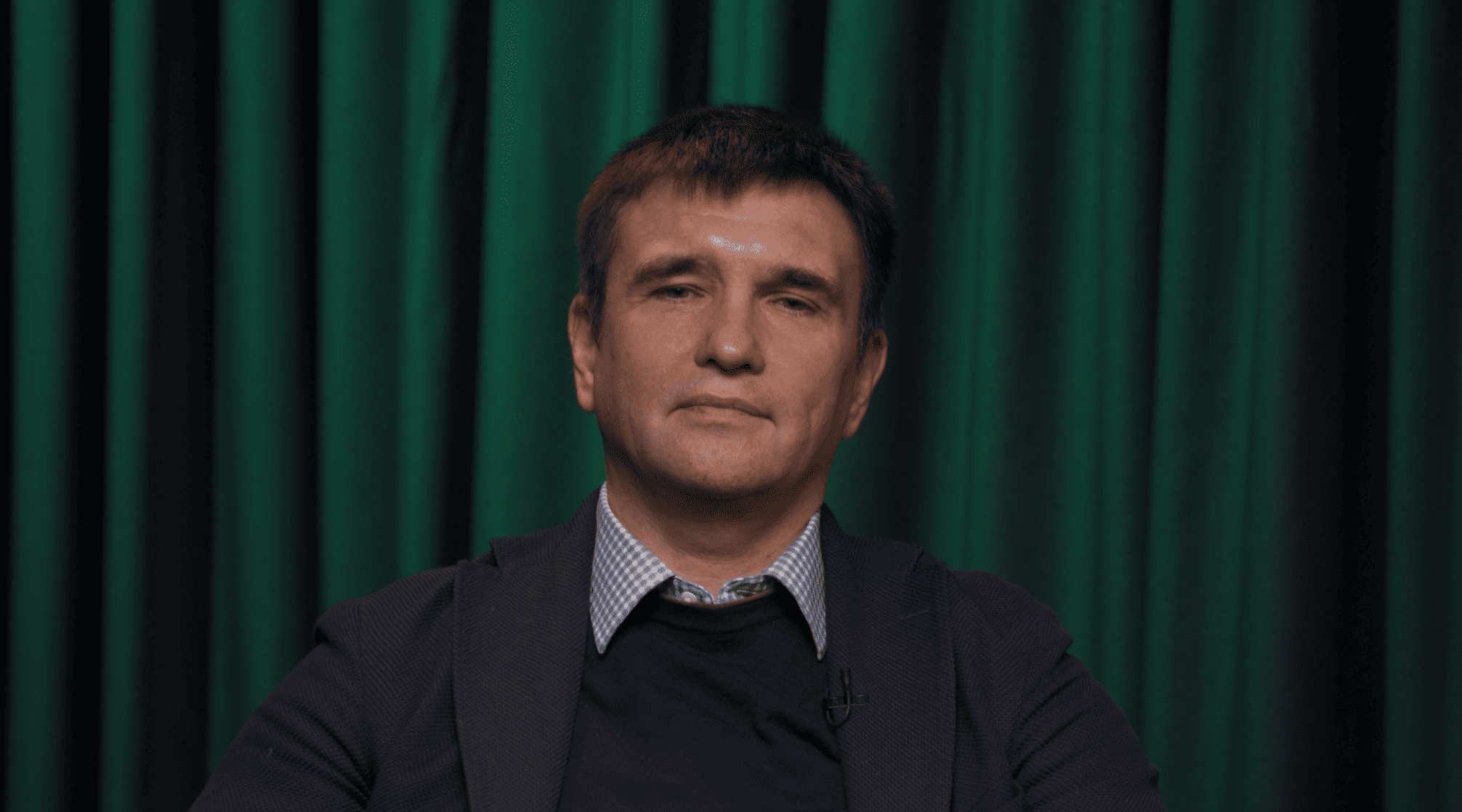
In high diplomacy, quiet deadlines matter more than loud statements
Pavlo Klimkin, Minister of Foreign Affairs of Ukraine (2014–2019) and host of the "Klimkin Explains" program on the LIGA.net channel, assessed the likelihood of a cessation of hostilities by June and its significance for Donald Trump and American politics. The interpretation of this deadline is not only about peace, but about how foreign policy turns into an element of electoral strategy.
Why June really matters
June is logically tied to the U.S. electoral calendar: if there is some result before the start of the active phase of the campaign, it can be used as a political asset. That is why, according to Klimkin, linking a peaceful settlement to June is "quite logical" — not as a guarantee of peace, but as a potential informational and diplomatic resource.
"Is this linkage critical for Trump as president and as someone who wants to win the election? I don't feel that way right now. Important, but not critical"
— Pavlo Klimkin, Minister of Foreign Affairs of Ukraine (2014–2019) / analyst
Political context in the U.S.: factions, fears, opportunities
Klimkin emphasizes that different interest groups operate in American politics and they have different attitudes toward the restoration of relations with Russia and toward the role of Europe. The result of the midterm elections in November and the balance in Congress could influence how much foreign policy becomes a mobilizing factor for voters.
Analysts note that even if rhetoric against involvement in foreign conflicts intensifies among certain groups, issues of regional crises (Ukraine and the Middle East) remain priorities for Trump — and he can earn political points on them.
"Venezuela is in, I think Cuba will be in"
— Pavlo Klimkin, Minister of Foreign Affairs of Ukraine (2014–2019) / analyst
Consequences for Ukraine: tactical steps and strategic risks
What does this mean for our security? First, the June deadline may open a window of diplomatic opportunity — but it will most likely be temporary and politicized. Second, Ukraine cannot rely solely on American elections; active work with partners at all levels is needed to ensure transparent agreements and control mechanisms.
The expert community agrees: a ceasefire is possible, but a lasting end to the war is less likely without comprehensive guarantees and international security mechanisms. Thus the priority is not only achieving a temporary pause, but also cementing conditions that will reduce the risk of renewed aggression.
Conclusion
The June deadline is a tool that can be used in U.S. electoral logic. For Ukraine it is both an opportunity and a risk: an opportunity to secure a short-term truce and international attention, and a risk that peace will remain declarative without long-term guarantees. Now it's up to our partners: will they turn the diplomatic momentum into signed agreements and guarantees for Ukraine? Watch the full conversation on LIGA.net's YouTube channel.



