Klitschko urged Kyiv residents to stock up — how the city is preparing for a worsening energy situation
The mayor warned of risks to Kyiv’s energy system and urged businesses to move employees to remote work. We explain what has already been done, what the numbers say about the state of the grid, and what each person should do.

By Oleg Bazylewicz
January 23, 2026 · 2 min read
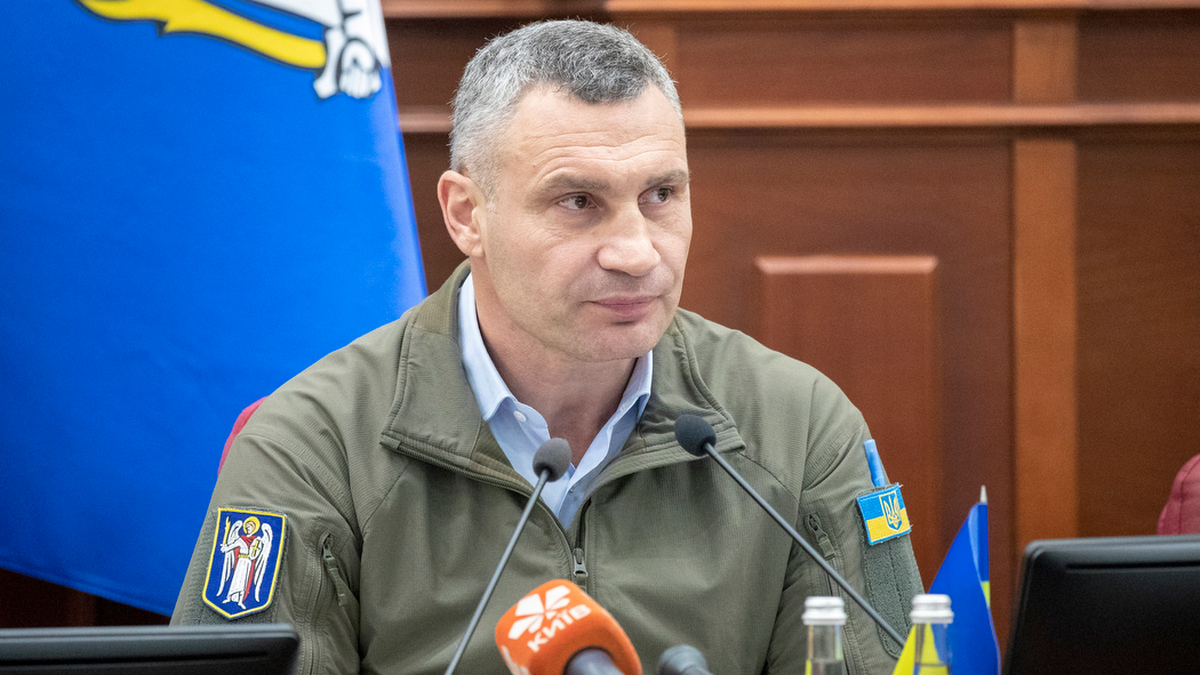
What the mayor said and why it matters
Mayor Vitali Klitschko appealed to Kyiv residents to make basic supplies — food, water and medicine — and to consider temporary relocation to places with alternative heating. This is not a call to panic but a preventive signal: the city is preparing for several scenarios, including repeated attacks on critical infrastructure.
"To residents I appeal and speak honestly: the situation is extremely difficult and this may not yet be the toughest moment. Make a stock of food, water, and necessary medicines. Those who have options to leave the city for places with alternative sources of power and heat, do not dismiss them."
— Vitali Klitschko, Mayor of Kyiv
What the city is doing
Kyiv has already designated in each district warming centers that are being equipped for overnight stays if needed — with heaters, food and hygiene supplies. District state administrations serve as the first level of coordination on the ground; city services and utility workers are operating around the clock, and hospitals and social institutions continue to provide services.
Numbers and authorities
Updated data allow an assessment of the scale of the problem: as of the morning of January 22 heat was connected to 227 buildings, while almost 3,000 remained without heating; and as of the morning of January 23 another 1,940 apartment buildings were without heat. The government, including Prime Minister Denys Shmyhal, called January 22 one of the most difficult days for the energy system since the blackout in November 2022 — an assessment shared by energy sector experts.
"January 22 was a very hard day for the power system — this is not an abstract threat, it is a real test of the resilience of the networks and management authorities."
— Denys Shmyhal, Prime Minister of Ukraine
Counterarguments and clarifications
On January 21 the Kyiv City Military Administration (KCMA) denied reports of the mass departure of 600,000 Kyiv residents, so it is important to distinguish preventive advice from unverified estimates. The city is simultaneously communicating response measures and clarifying statistics on service restorations.
What Kyiv residents should do right now
- Check your home supplies: water, basic food items, and necessary medicines for 3–5 days. Stocking up is not panic, it is a safety plan.
- If possible, arrange with your employer for a flexible schedule or remote work: city authorities have urged businesses to support this decision.
- Know the location of the nearest warming center and help vulnerable neighbors — the elderly and families with young children.
Conclusion
The city authorities are giving concrete recommendations and preparing infrastructure. This is a time for sensible preparation, not emotional conclusions. The next few days will show whether the network can be stabilized and the number of apartment buildings without heat reduced — and how effective the efforts of authorities and the community will be.



