KNUKIM without Poplavskyi: acting rector appointed — what it means for the university
The Ministry of Education and Science (MON) appointed Ihor Komarnytskyi as acting president of KNUKiM. We explain the legal context, the personnel dimension, and why this matters for the quality of education and the university's reputation.

By Tetiana Suchkova-Ladik
February 10, 2026 · 2 min read
Brief and to the point
On 6 February 2026, Minister of Education and Science Oksen Lisovyi signed an order appointing Professor Ihor Komarnytskyi as acting president of the Kyiv National University of Culture and Arts (KNUKiM). The change of leadership was published by "Glavcom", which referred to the relevant document; RBC-Ukraine adds that Mykhailo Poplavskyi's contract had expired. LIGA.net has sent a request to the Ministry of Education and Science for clarification.
The ministry's position and the legal context
The order states that Komarnytskyi will head the institution "until the appointment of a leader in the manner prescribed by law or the appointment of another acting official, but not later than 5 August 2026." Formally, the change is linked to the expiration of Poplavskyi's contract — an official who had held the position since the early 1990s.
"The same person may hold the position of rector of a university, academy, or institute for no more than two consecutive terms (each of five years)."
— Law of Ukraine "On Higher Education", 2014
Personnel aspect: who is Ihor Komarnytskyi
According to the order, Ihor Komarnytskyi is a professor in the Department of Hotel-Restaurant and Tourism Business. Glavcom reports that he was previously part of Poplavskyi's team, but in recent years distanced himself from the former rector. Elections for a new leader of KNUKiM are expected to take place in the near future — those elections will determine the long-term direction of the university's development.
Why this matters for students, faculty and the public
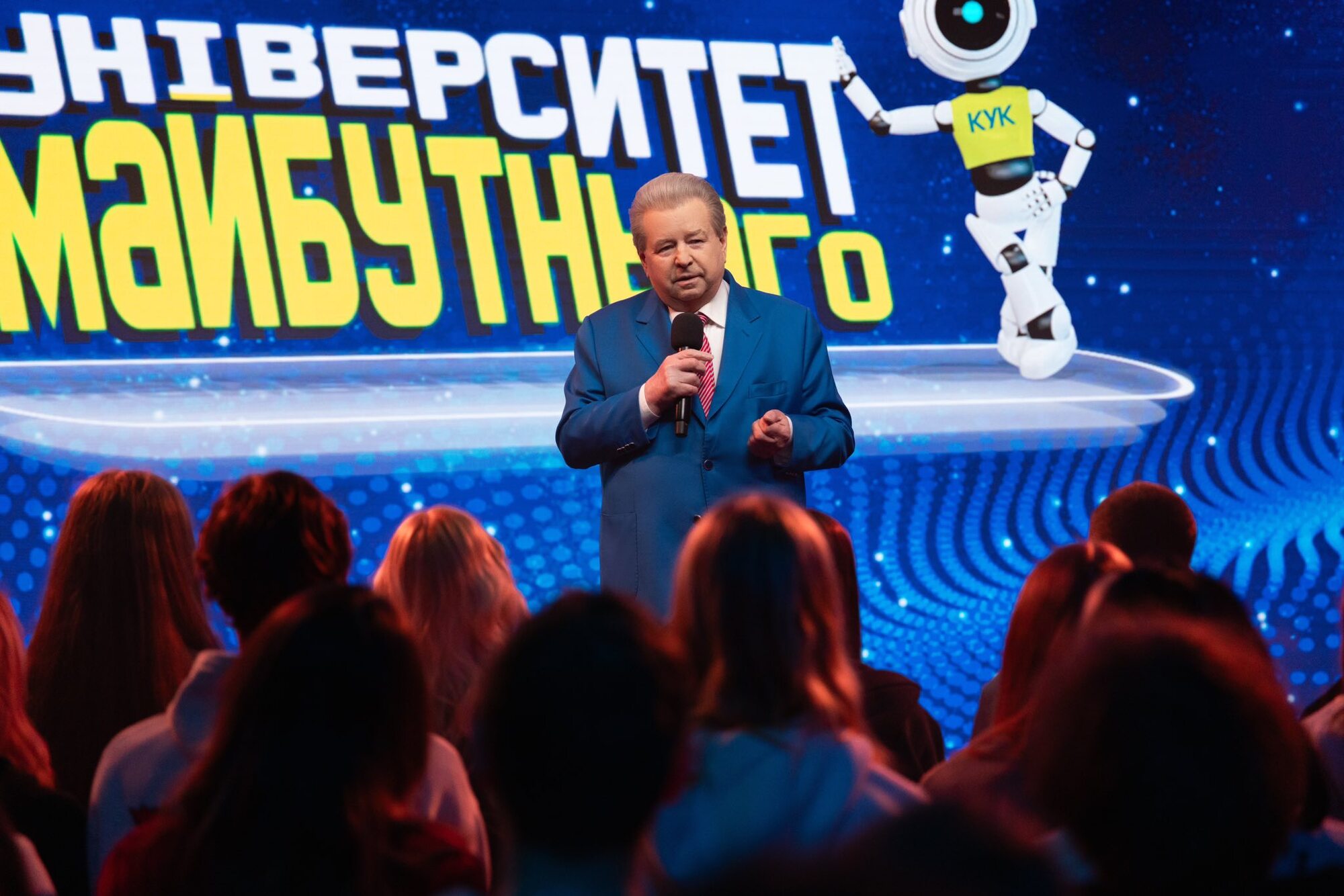
Personnel changes at an institution with this history are not only about names. This concerns institutional resilience, academic autonomy and reputation. Poplavskyi — described as a singer, producer and former member of parliament — during his tenure frequently appeared in public debates about combining an educational post with politics and show business. Part of the criticism concerned the use of the university's image in personal projects and content that sparked public discussion about the limits of a university leader's role.
Consequences and scenarios
Short term: the acting head must ensure uninterrupted educational processes and prepare for the rector elections. Medium term — until 5 August 2026 — allows time to announce and conduct the competitive procedure. Long term: the choice of leadership will determine management reforms, staffing policy and the approach to academic ethics — important markers for restoring trust among students and partners.
"Strong universities are not only study programs, but transparent governance and a recoverable reputation. This is what is at stake now at KNUKiM."
— expert opinion from the education community (a summary of public comments from journalistic investigations)
What to watch next
1) Official responses from the Ministry of Education and Science to media requests; 2) the announcement of the procedure and the schedule for the rector elections at KNUKiM; 3) program statements from candidates on academic standards and transparency of governance. It is important for the public that these processes take place openly and in accordance with the law.
After decades under a single leader, the university has a chance to renew its management and rebuild trust. Whether the academic community seizes it will depend on the transparency of the competitive procedure and continued public scrutiny.



